

Pick Mixpanel if you want fast answers from clear event data. Pick Amplitude if you need deeper product analysis across teams. That is the short version. Both are strong for mobile app audience analytics. The better choice depends on your app, team size, and how deep you want to go.
TLDR: Mixpanel is easier for quick funnel checks, simple cohorts, and campaign follow-up. Amplitude is stronger for retention, user journeys, and big product teams. For example, a fitness app with 80,000 monthly users might use Mixpanel to spot a 32% drop after signup, then fix onboarding fast. A gaming app with 500,000 users may prefer Amplitude to compare day 1, day 7, and day 30 retention across many player groups.
The basic idea
Mobile app audience analytics sounds fancy. It is not.
It means this:
- Who uses your app?
- What do they tap?
- Where do they quit?
- Which users come back?
- Which users spend money?
- Which users need a tiny push?
Mixpanel and Amplitude both help answer those questions. They track events inside your app. Events are actions. Like signup completed, song played, cart opened, or subscription started.
Then they turn those actions into charts. Nice charts. Scary charts. Sometimes charts that make the product team go very quiet.
Mixpanel: quick, clear, and friendly
Mixpanel is great when you want answers without a three-hour meeting. It is built around events, funnels, cohorts, and reports. The interface feels direct. You ask a question. Mixpanel answers it with a chart.
For mobile apps, this is useful. Very useful.
Say you run a food delivery app. You track these steps:
- App opened
- Restaurant viewed
- Item added
- Checkout started
- Order placed
Mixpanel can show where users leave. Maybe 61% view a restaurant. But only 18% add an item. Ouch. Now you know the menu screen may be the problem.
Mixpanel is strong for:
- Funnels: See where users drop off.
- Cohorts: Group users by behavior.
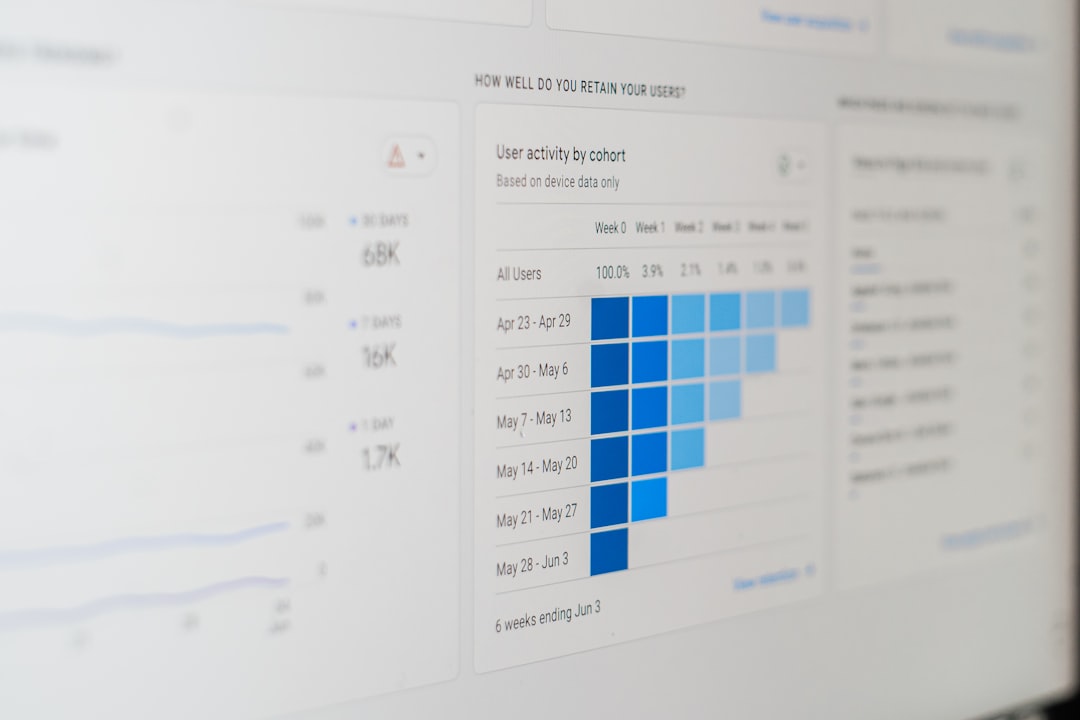
- Retention: See who comes back.
- Simple audience checks: Find your power users.
- Fast reports: Good for lean product teams.
It also works well when marketing and product teams share data. A marketer can check if users from one campaign buy more. A product manager can check if those same users finish onboarding.
The catch is that setup still matters. If your event names are messy, Mixpanel will not magically fix them. signup_done, Signup Complete, and user_registered may all mean the same thing. Your dashboard will not know that. Your team will sigh. Loudly.
Amplitude: deep, rich, and built for product teams
Amplitude goes deeper. It is often loved by larger product teams. It helps you study how users move through an app over time. It is very good at retention and user paths.
Think of a language learning app. Some people open it once and vanish. Some people study every day. Some people only return when a push message says, “Your owl is judging you.”
Amplitude helps compare those groups. You can ask:
- Do quiz users retain better than video users?
- Do users who follow friends stay longer?
- Which first action predicts paid plans?
- What does a loyal user do in the first 24 hours?
This is where Amplitude shines. It is not just “what happened?” It helps answer “what behavior matters?”
Amplitude is strong for:
- Retention analysis: Great for subscription apps.
- User paths: See common routes through the app.
- Behavior cohorts: Build detailed audience groups.
- Product experiments: Compare feature changes.
- Team workflows: Good for product, data, and growth teams.
Honestly, it feels like Amplitude expects you to be serious. That is good. Also a little annoying. Some reports take more thinking. You may click around for 20 seconds longer than expected and mutter, “Where is the simple answer?”

Mobile app audience analytics: what matters most?
For mobile apps, audience analytics is not just page views. Phones are personal. Users move fast. They get distracted. They delete apps without mercy.
You need to track moments that matter.
- Activation: Did the user reach the first “aha” moment?
- Engagement: Did the user take key actions?
- Retention: Did the user come back after 1, 7, or 30 days?
- Monetization: Did the user subscribe, buy, or upgrade?
- Churn: Did the user fade away?
Mixpanel makes these checks feel simple. Amplitude makes them feel fuller. That is the main split.
Ease of use
Mixpanel is usually easier to start with. Dashboards are clear. Funnels are quick. It is good for teams that want speed.
Amplitude has more layers. That can be great. It can also slow people down. New users may need training. Not a giant problem. Still a real one.
If your team has one product manager, one marketer, and a tired developer, Mixpanel may feel kinder. If your team has product analysts and growth leads, Amplitude may feel more powerful.
Audience segmentation
Both tools can segment users. This is key for mobile analytics.
You can build groups like:
- Users who installed from TikTok.
- Users who completed onboarding.
- Users who opened the app 5 times in 7 days.
- Users who viewed pricing but did not pay.
- Users who spent more than $50.
Mixpanel makes these groups easy to use in reports. Amplitude lets you study them in more depth. If you care about why one segment behaves better, Amplitude often wins.
Funnels and retention
Mixpanel is excellent for funnels. If your main pain is drop-off, it gives answers fast.
Example:
- 10,000 users install the app.
- 7,200 open it.
- 4,800 create an account.
- 2,100 finish onboarding.
- 650 start a paid trial.
That makes the weak spot obvious. Onboarding is leaking users.
Amplitude is excellent for retention. It helps show which actions lead to users coming back. For example, users who save three songs on day one may have 42% day 30 retention. Users who save none may have 9%. That is useful. Very useful.

Pricing and scale
Both tools offer plans that can work for smaller teams. Both can also get expensive as data volume grows. Check current pricing before you fall in love with either one. Pricing changes. Usage limits matter.
Expect to spend time deciding which events to track. Also expect arguments about what counts as an “active user.” Fun times.
Do not track everything. That creates noise. Track what helps you act.
Which one should you choose?
Choose Mixpanel if:
- You want quick setup.
- You care about funnels.
- Your team is small or mid-sized.
- You want clear dashboards fast.
- You need simple mobile audience segments.
Choose Amplitude if:
- You care deeply about retention.
- You have many user types.
- You run experiments often.
- Your product team wants richer analysis.
- You have analysts who will use the tool often.
The final call
If your mobile app is still finding product fit, start with Mixpanel. It is quick and clear. You will see problems fast.
If your app already has a large audience, use Amplitude. It can show deeper patterns. It helps explain why users stay, pay, or leave.
Both tools are good. Neither saves a bad tracking plan. So name your events well. Keep your goals clear. Then let the charts tell you where users are happy, bored, confused, or ready to delete your app forever.