Building a modern tech stack from scratch is one of the most important strategic decisions a technology-driven organization can make. The right combination of tools enables scalability, security, speed, and long-term resilience. The wrong choices create technical debt, operational inefficiencies, and unnecessary risk. Whether you are launching a startup, modernizing legacy systems, or building an internal platform, selecting essential tools with care is critical to sustainable growth.
TLDR: A reliable modern tech stack requires carefully chosen tools across infrastructure, development, collaboration, security, and monitoring. Cloud platforms, version control systems, CI/CD pipelines, containerization, observability tools, and security frameworks form the backbone of scalable systems. Each tool must integrate smoothly with the others and support long-term maintainability. Strategic selection at the beginning prevents costly rework later.
1. Cloud Infrastructure Platform
A robust cloud provider is the foundation of any modern stack. Services such as AWS, Microsoft Azure, or Google Cloud provide scalable infrastructure, managed databases, networking, storage, and serverless capabilities.
Why it matters:
- Elastic scalability to handle growth
- Global availability zones
- Managed services reduce operational overhead
- Advanced security and compliance capabilities
Choosing a cloud provider early creates a stable base for every other layer in the stack.

2. Version Control System
No modern stack is complete without a centralized version control system. Git remains the industry standard, typically hosted on platforms such as GitHub, GitLab, or Bitbucket.
This tool enables:
- Code collaboration across distributed teams
- Branching strategies for safe experimentation
- Transparent code reviews
- Traceable project history
A properly structured repository strategy lays the groundwork for productivity and governance.
3. Integrated Development Environment (IDE)
Developer productivity depends heavily on well-configured IDEs such as Visual Studio Code, IntelliJ IDEA, or WebStorm. Standardizing extensions, linters, and formatting settings across teams ensures consistency and reduces friction.
While this tool may appear basic, it directly impacts:
- Code quality
- Error detection
- Development speed
- Onboarding efficiency
4. Containerization Platform
Docker has become essential for packaging applications and their dependencies into portable containers. Containerization eliminates inconsistencies between development, staging, and production environments.
Key advantages include:
- Environment consistency
- Rapid deployment
- Isolation of services
- Improved fault containment
This layer ensures applications behave predictably across environments.
5. Container Orchestration System
Once applications are containerized, orchestration becomes critical. Kubernetes is the dominant solution for automating deployment, scaling, and management of containerized applications.
With Kubernetes, teams gain:
- Automated scaling
- Self-healing containers
- Load balancing
- Declarative infrastructure management
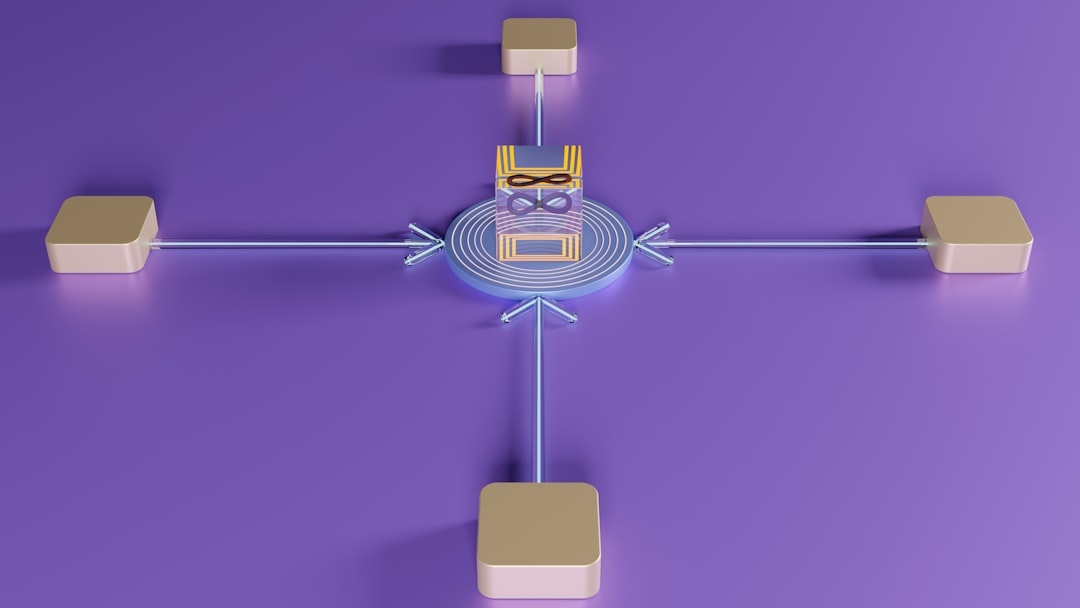
Orchestration tools transform containerized workloads into resilient, production-grade systems.
6. Continuous Integration and Continuous Deployment (CI/CD)
Modern development demands automation. CI/CD platforms such as GitHub Actions, GitLab CI, CircleCI, or Jenkins ensure code changes are automatically tested, built, and deployed.
The benefits include:
- Reduced human error
- Faster feature delivery
- Automated quality assurance
- Consistent deployment practices
A properly designed pipeline enforces discipline in software delivery while accelerating innovation.
7. Infrastructure as Code (IaC)
Instead of manually configuring infrastructure, tools like Terraform or AWS CloudFormation enable declarative infrastructure provisioning.
Infrastructure as Code provides:
- Reproducible environments
- Version-controlled infrastructure changes
- Improved disaster recovery
- Reduced configuration drift
Treating infrastructure like software creates transparency and control over system architecture.
8. Observability and Monitoring
No stack is complete without visibility. Monitoring and observability tools such as Prometheus, Grafana, Datadog, or New Relic allow teams to detect, diagnose, and resolve issues quickly.
Comprehensive observability includes:
- Metrics collection
- Centralized logging
- Distributed tracing
- Real-time alerting

Without observability, systems fail silently. With it, teams can proactively optimize performance and reliability.
9. Database and Data Management Solution
Data is central to modern applications. Selecting the appropriate database—relational (PostgreSQL, MySQL), NoSQL (MongoDB), or distributed (Cassandra)—is a foundational decision.
When evaluating database tools, consider:
- Scalability requirements
- Consistency models
- Performance under load
- Backup and disaster recovery options
Choosing the wrong database can introduce performance bottlenecks that are difficult and expensive to reverse.
10. API Management Layer
Modern systems are built around APIs. API gateways such as Kong, Apigee, or AWS API Gateway manage authentication, rate limiting, and traffic routing.
An API management layer offers:
- Centralized access control
- Improved security enforcement
- Usage analytics
- Scalable request handling
This component is especially critical in microservices architectures where services communicate extensively.
11. Security and Identity Management
Security must be integrated into every layer of the stack. Identity and access management tools such as Okta, Auth0, or cloud-native IAM systems ensure secure authentication and authorization.
Essential security practices include:
- Multi-factor authentication
- Role-based access control
- Secrets management
- Continuous vulnerability scanning
Security cannot be retrofitted after deployment. It must be embedded into architecture from day one.
12. Collaboration and Project Management Tools
Technology alone does not create high-performing systems—people do. Tools such as Jira, Linear, Notion, Slack, or Microsoft Teams enable structured communication and transparent project management.
Collaboration platforms provide:
- Task tracking and sprint planning
- Centralized documentation
- Real-time communication
- Cross-functional alignment
A well-coordinated team reduces delays and ensures accountability across development cycles.
Strategic Considerations When Building a Tech Stack
Selecting tools is not about chasing trends. It requires strategic evaluation across several dimensions:
- Interoperability: Tools must integrate seamlessly.
- Community and ecosystem: Strong vendor and open-source support reduce risk.
- Scalability: The stack should grow with your business.
- Cost management: Predictable pricing models prevent budget overruns.
- Security posture: Compliance and governance capabilities are non-negotiable.
Many organizations overcomplicate their stacks early on. A lean, well-integrated system often outperforms a bloated architecture filled with redundant tools.
Building for the Long Term
A modern tech stack is not static. As technologies evolve, performance requirements increase, and teams expand, adjustments will be required. However, the goal is to establish a strong architectural foundation that minimizes disruptive overhauls.
Prioritize:
- Automation over manual processes
- Observability from the beginning
- Security at every layer
- Documentation for maintainability
Organizations that take a disciplined approach to selecting their essential tools build systems that are reliable, scalable, and adaptable to change.
Ultimately, constructing a modern tech stack from scratch is both a technical and strategic exercise. The twelve tools outlined above represent the core building blocks required to support development velocity, operational stability, and long-term innovation. When chosen deliberately and implemented correctly, they form a cohesive architecture capable of sustaining modern digital products in a competitive and rapidly evolving landscape.