
Factories are getting smarter. Machines are no longer just big boxes that move and cut and stamp. They are starting to think. Not in a sci‑fi way. But in a fast, practical, problem‑solving way. This is where Edge AI comes in. It brings artificial intelligence right next to the machines on the factory floor. No waiting. No cloud delays. Just quick decisions, right where the action happens.
TLDR: Edge AI means running AI directly on machines inside factories instead of sending data to the cloud. It helps manufacturers predict failures, improve quality, boost safety, and reduce downtime. Decisions happen in real time, which saves money and prevents problems. It is fast, practical, and already changing how factories work.
Let’s break down six practical and exciting ways Edge AI is used in manufacturing today.
1. Predictive Maintenance: Fix Before It Breaks
Machines break. It is a fact of life. But unexpected breakdowns are expensive. They stop production. They delay shipments. They upset customers.
Edge AI helps prevent this chaos.
Sensors are placed on machines. These sensors track things like:
- Temperature
- Vibration
- Pressure
- Noise levels
Edge AI analyzes this data instantly. Right there on the device. If the system detects unusual vibration or rising heat, it sends an alert.
Instead of reacting to failure, teams act early.
For example, a motor may start vibrating in a strange pattern. The AI notices the pattern matches previous bearing failures. It alerts maintenance before the motor stops working.
This means:
- Less downtime
- Lower repair costs
- Longer machine life
It is like having a mechanic living inside every machine. Quiet. Watchful. Always alert.
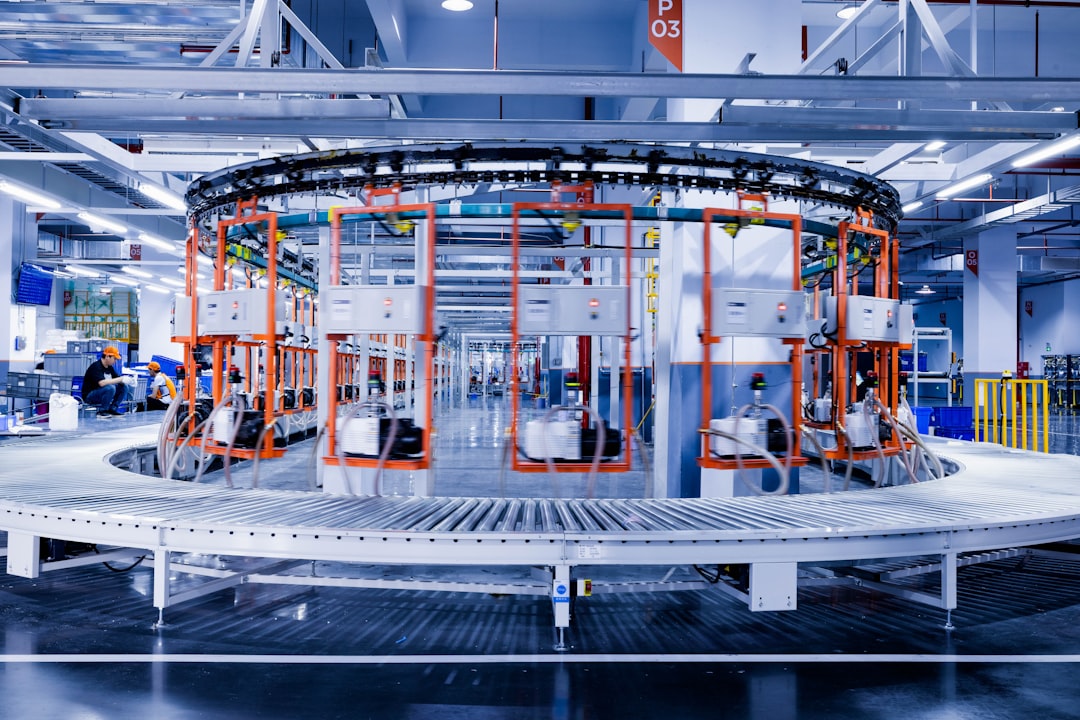
2. Real-Time Quality Inspection
Quality control is serious business. A tiny defect can ruin an entire product batch. In industries like automotive or electronics, even a small crack or scratch matters.
Traditionally, workers inspect products by hand. Or cameras capture images and send them to the cloud for analysis. But cloud processing takes time.
Edge AI changes that.
Cameras installed along production lines capture images of every item. Edge AI analyzes them instantly. It looks for:
- Surface defects
- Wrong dimensions
- Missing components
- Color inconsistencies
If something looks wrong, the system removes the defective item immediately.
No delays.
No shipping bad products to customers.
It works extremely fast. Thousands of parts per minute. No coffee breaks required.
And it keeps improving. The more data it sees, the better it gets at spotting tiny flaws humans might miss.
This leads to:
- Higher product quality
- Less waste
- Happier customers
Quality teams can finally sleep better at night.
3. Worker Safety Monitoring
Factories can be dangerous places. Heavy machinery. Forklifts. High temperatures. Fast moving equipment.
Keeping workers safe is the top priority.
Edge AI helps by monitoring the environment in real time.
Smart cameras and sensors can detect:
- If a worker is not wearing protective gear
- If someone enters a restricted zone
- If a person is too close to dangerous machinery
- If someone falls
The key here is speed. If the system had to send video to the cloud, wait for analysis, and then send a response back, it might be too late.
Edge AI reacts instantly.
The machine can stop automatically. An alarm can sound. Supervisors can receive alerts.
Imagine a robotic arm that pauses the moment a human steps too close. That is not science fiction. It is already happening.
This creates:
- Safer workplaces
- Fewer injuries
- Lower insurance costs
And something even more important. Peace of mind.

4. Smarter Energy Management
Factories consume a lot of energy. Machines run all day. Lights stay on. Climate systems work overtime.
Energy is expensive. And waste adds up quickly.
Edge AI helps factories become smarter about power usage.
Sensors monitor electricity consumption across machines and production lines. The AI analyzes patterns in real time.
It can detect:
- Machines using more energy than normal
- Equipment left running while idle
- Inefficient heating or cooling behavior
If a machine suddenly consumes more power than usual, that may signal a mechanical issue. Or inefficiency. The system flags it immediately.
Edge AI can even automate adjustments. For example:
- Powering down idle equipment
- Optimizing machine cycles
- Balancing loads across systems
The results are powerful:
- Reduced energy bills
- Lower carbon footprint
- Improved sustainability
In a world focused on green manufacturing, this is a big deal.
Saving energy is no longer a guessing game. It becomes data‑driven and automatic.
5. Supply Chain and Inventory Optimization
Manufacturing is not only about machines. It is also about materials.
You need the right parts. At the right time. In the right quantity.
Too much inventory wastes space and capital. Too little inventory stops production.
Edge AI helps balance this tricky equation.
Smart systems monitor:
- Inventory levels
- Production rates
- Supplier deliveries
- Material usage patterns
Instead of sending all this data to the cloud, Edge AI processes it locally in warehouses or on the factory floor.
If materials run low faster than expected, the system triggers reorders automatically.
If production slows down, it adjusts supply requests.
Everything stays aligned in near real time.
This creates a more agile operation.
Factories respond quickly to demand changes. They avoid overstock. They reduce delays.
It is like having a super organized assistant who never forgets to restock parts.
6. Process Optimization and Adaptive Control
This is where things get really exciting.
Edge AI does not just monitor machines. It can actively optimize how they run.
Industrial processes often involve hundreds of variables. Temperature. Speed. Pressure. Timing. Small adjustments can improve output dramatically.
Edge AI studies these variables continuously.
It looks for the most efficient combinations. In real time.
If it detects that slightly lowering temperature improves product consistency, it makes the adjustment.
If it finds that adjusting conveyor speed reduces bottlenecks, it adapts automatically.
All without waiting for human intervention.
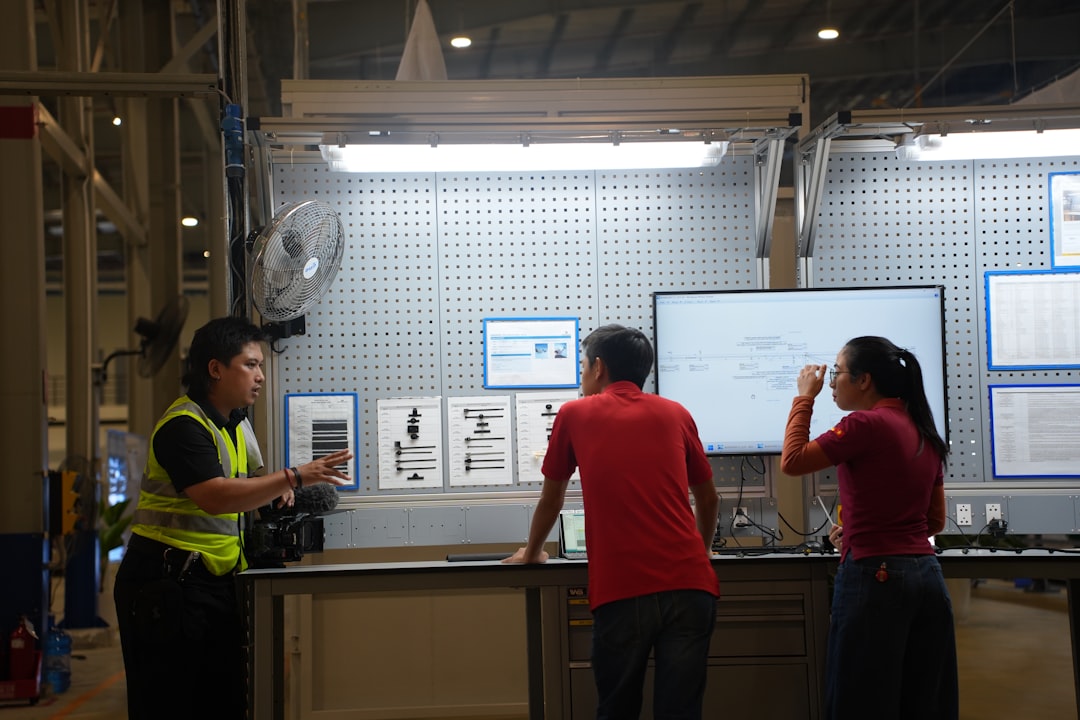
This leads to:
- Higher throughput
- Better consistency
- Reduced material waste
It turns static production lines into dynamic systems that learn and improve.
Over time, the factory becomes more efficient than it was on day one.
Why Edge AI Instead of Cloud AI?
You might wonder. Why not just use cloud computing?
Cloud AI is powerful. But factories need:
- Low latency
- High reliability
- Data privacy
Edge AI processes data locally. This means:
- No internet delays
- No dependence on constant connectivity
- Reduced bandwidth costs
In critical environments, milliseconds matter. Especially when stopping a machine to prevent injury or damage.
Edge AI also keeps sensitive production data inside the facility. That improves security.
The Human Side of Edge AI
Some people worry that AI replaces workers.
In manufacturing, the reality is different.
Edge AI handles repetitive monitoring tasks. It spots patterns humans cannot easily see. It processes huge volumes of data.
But humans still make strategic decisions. They design processes. They solve complex problems. They improve systems.
Edge AI becomes a powerful assistant. Not a replacement.
It removes stress. It reduces emergency repairs. It keeps shifts running smoothly.
Workers move from reactive firefighting to proactive improvement.
The Future Is Local and Smart
Edge AI in manufacturing is not just a trend. It is becoming standard practice.
As hardware becomes cheaper and AI models become smaller and faster, more factories will adopt it.
We will see:
- Entire production lines that self optimize
- Near zero defect manufacturing
- Highly adaptive facilities that respond instantly to demand changes
The factory of the future is not just automated.
It is intelligent.
And most of that intelligence lives right at the edge. Next to the machines. Listening. Learning. Acting.
Edge AI turns factories into living systems. Systems that sense. Decide. And improve.
All in real time.
That is not just smart manufacturing.
That is manufacturing reimagined.