
Pay-per-click (PPC) advertising has become an essential marketing channel for businesses of all sizes. For franchises, PPC offers a unique opportunity to maintain consistent brand messaging while allowing individual locations to reach local audiences effectively. However, franchise structures introduce some complexities that other businesses don’t face when managing PPC campaigns.
TLDR:
PPC advertising can help franchises grow brand awareness and drive local conversions. Franchise PPC campaigns must balance corporate brand control with local targeting and flexibility. A well-structured approach using geo-targeting, shared assets, and clear corporate guidelines can help franchises scale their PPC efforts successfully. Collaboration between franchisors and franchisees is key.
What Is PPC and How Can It Help Franchises?
Pay-per-click (PPC) is an online advertising model where businesses pay each time someone clicks on their ad. Platforms like Google Ads, Bing Ads, and social media channels such as Facebook and Instagram are the most commonly used PPC platforms.
For franchises, PPC enables:
- National brand visibility controlled by the franchisor
- Local lead generation for individual franchisees
- Budget optimization through platform data and analytics
- Customized promotions per location or region
PPC gives franchises a strategic advantage by combining wide-scale branding with hyper-local targeting.
Challenges of Running PPC Campaigns for Franchises
Unlike a single-location business, a franchise PPC campaign needs to account for both the centralized goals of the franchisor and the local marketing needs of each franchisee. This dynamic introduces a number of challenges:
- Brand Consistency: Maintaining a unified brand voice while running multiple campaigns can be difficult if each location manages its own ads independently.
- Budget Distribution: Allocating ad spend fairly and effectively across locations requires careful planning and reporting.
- Campaign Overlap: Multiple franchisees in close geographic areas can lead to internal competition for search terms, which drives up costs.
- Varying Expertise: Not all franchise owners have experience with PPC, creating the need for training or a management solution.
These points make it essential for franchises to design PPC strategies that account for both centralized oversight and local variation.
Franchise PPC Structures: Centralized vs. Decentralized
There are typically two ways franchises handle PPC campaign management:
1. Centralized PPC Management
In this model, the franchisor controls all PPC activity. Campaigns, keywords, and spending are coordinated centrally and rolled out uniformly across franchise locations. Local customization may be limited or incorporated through geo-targeting and ad extensions.
Pros:
- Strong brand control
- Greater data consistency
- Professional campaign management
Cons:
- Less flexibility for local franchisees
- Poorer fit for location-specific offers or events
2. Decentralized PPC Management
Here, each franchisee manages their own PPC campaigns. They may use templates and branding guidelines from the franchisor but are free to manage budgets, select keywords, and create promotions.
Pros:
- Tailored to local markets
- Flexible for offers and events
- Empowers franchisees
Cons:
- Risk of inconsistent brand messaging
- Internal competition for identical PPC terms
- Variable campaign quality
Many franchises take a hybrid approach, combining centralized strategy with local execution permissions.
Best Practices for Franchise PPC Campaigns
Successfully managing PPC for franchises requires clear planning, cooperation, and scalable systems. Below are some best practices to follow:
1. Use Geo-Targeting and Local Extensions
Segment PPC campaigns by location using geo-targeting. Ensure you implement location extensions and call extensions to highlight local contact information. These tactics can significantly improve click-through and conversion rates.
2. Create Shared Campaign Templates
The franchisor can provide structured campaign templates that include pre-approved ad copy, branded visuals, and keyword sets. Franchisees can then plug in local data like city names or promotions, maintaining brand consistency while engaging local markets.
3. Share Attribution and Analytics Data
A centralized dashboard where both the franchisor and franchisees can access metrics on ad performance provides transparency. It allows shared learning across locations and can be used to refine campaign strategies.
4. Prevent Internal Competition
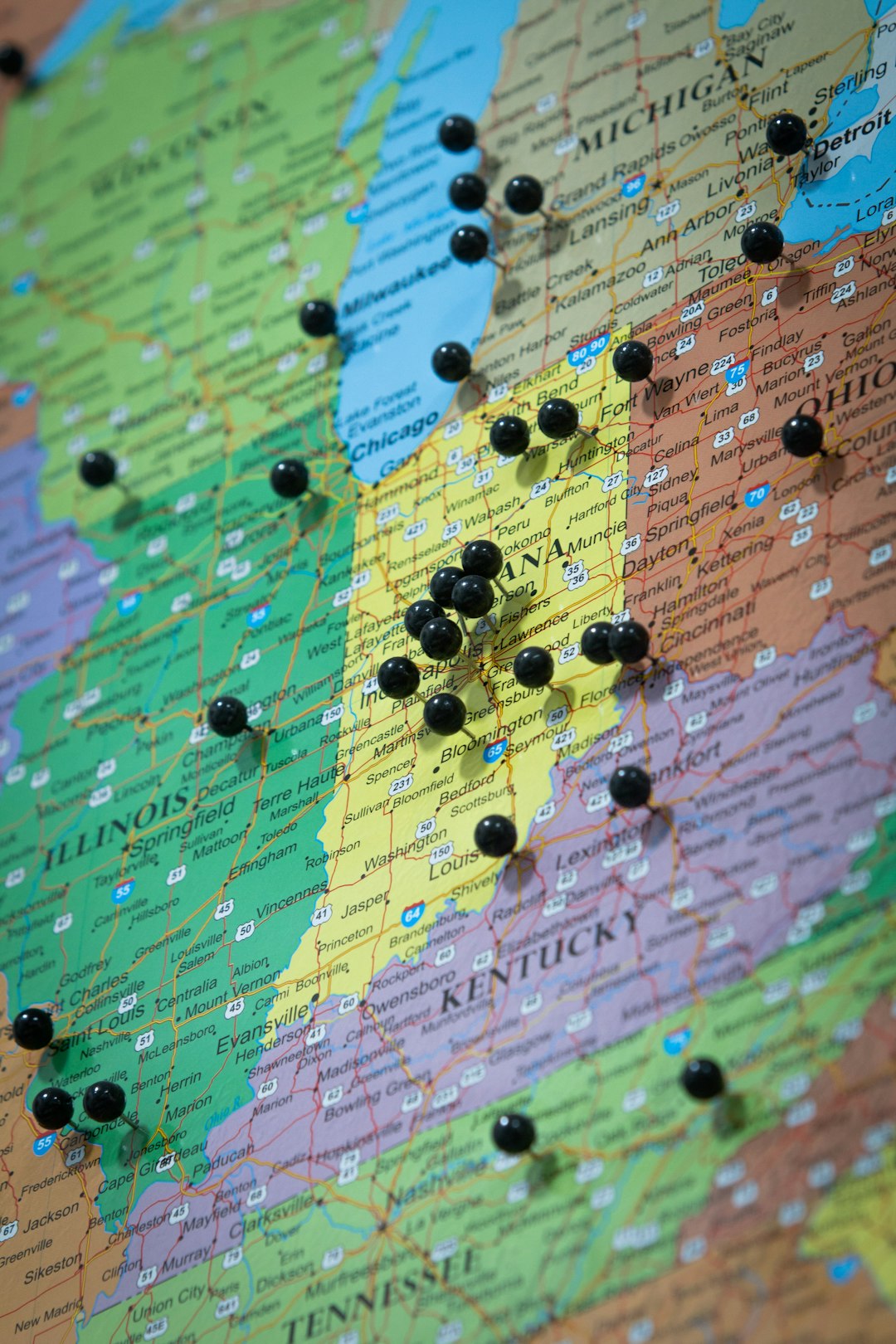
If multiple locations bid on the same keywords in overlapping geographic areas, campaigns can cannibalize each other. Create negative keyword lists and use geo-fencing to ensure each franchise location targets its unique area.
5. Allocate Budget Strategically
Budgets should reflect both brand-wide and local goals. National-level campaigns can focus on brand awareness, while location-based campaigns may prioritize service-specific conversions like appointment bookings or purchases.
6. Monitor Quality Scores and Ad Relevance
Platforms like Google Ads rate your ads based on relevance and quality, which directly affects cost-per-click. By monitoring and optimizing Quality Score across different campaigns, franchises can reduce waste and increase ROI.
PPC Platforms for Franchises
Not all PPC platforms serve the same purpose. Here’s a breakdown of where franchises can gain the most value:
- Google Ads: Best for intent-based search keywords — ideal for capturing users actively looking for your services.
- Facebook & Instagram Ads: Excellent for brand storytelling and building awareness in your local community.
- Microsoft Ads (Bing): Has a smaller but often more affordable user base, with less keyword competition.
- YouTube Ads: Great for franchises with strong video assets, especially when demonstrating product or service quality.
It’s a good strategy to start with Google Ads for most franchises and expand into social platforms and video once search campaigns are optimized.
Should Franchisees Handle PPC Themselves?
While some ambitious franchisees may want to manage their own PPC, it’s not always advisable. Managing PPC campaigns effectively requires:
- Understanding of keyword strategy
- Familiarity with ad copywriting best practices
- Regular monitoring and optimization
If the franchisees don’t have the time or expertise, it’s beneficial to work with a dedicated PPC agency that understands franchise models or have marketing responsibilities handled by the franchisor.
How to Align PPC With Other Marketing Channels
PPC works best as part of an omnichannel marketing strategy. Ensure PPC efforts are aligned with SEO, email campaigns, social media, and CRM follow-ups. Using consistent branding and messaging across these channels boosts overall trust and conversion rates.
Cross-platform strategies may include:
- Retargeting website visitors with Facebook Ads
- Integrating PPC with email automation for new leads
- Using insights from PPC to inform SEO keyword strategies
Making PPC part of an integrated strategy ensures maximum marketing efficiency for franchises.
Conclusion
PPC offers massive potential for franchises that navigate the balance between corporate structure and local flexibility. By following best practices such as geo-targeting, defined branding guidelines, centralized analytics, and open collaboration between franchisors and franchisees, it’s possible to build powerful, cost-effective campaigns that drive long-term business growth.
Whether you’re just launching your first franchise location or scaling to 100+ outlets, PPC should play a central role in your digital marketing strategy — provided it’s executed with intention and expertise.