
In an age defined by constant notifications, endless scrolling, and shrinking attention spans, the way information is delivered often determines whether it is heard at all. “Messagenal” represents a mindset where the message itself becomes the central priority—shaping platforms, business strategies, branding, and communication methods around clarity, relevance, and emotional impact. Rather than focusing first on tools, trends, or technology, this approach asks a simple question: What truly needs to be said, and why does it matter?
TLDR: Messagenal is the philosophy of putting the message before the medium. It emphasizes clarity, emotional resonance, and purpose-driven communication in business and media. In a saturated digital environment, those who prioritize meaningful messaging over flashy tools are more likely to build trust, loyalty, and long-term impact.
The Shift Toward Message-First Thinking
For years, companies and creators focused heavily on platforms. Social networks, messaging apps, automation tools, and advertising technologies became the center of attention. While these tools expanded reach, they also contributed to overwhelming noise. Audiences became selective, filtering out communications that felt irrelevant or insincere.
Messagenal thinking emerged as a reaction to this saturation. Instead of asking, “Which channel should be used?” communicators began asking, “Is the message clear, necessary, and aligned with our purpose?” This subtle shift changes everything. It transforms communication from reactive broadcasting to deliberate storytelling.
When the message becomes the priority, several core principles take shape:
- Clarity over complexity
- Purpose over promotion
- Connection over conversion
- Consistency over volume
Organizations that adopt these principles often discover that they need fewer words—but better ones.
Why the Modern Audience Demands It
Digital fatigue is real. Consumers receive hundreds of messages daily from brands, workplaces, and communities. The human brain adapts by filtering aggressively. Generic communication is ignored almost instantly.
Messagenal strategies respond to this reality by treating attention as valuable currency. Instead of flooding audiences with content, communicators craft fewer, sharper messages. Each communication is intentional and tightly aligned with values and audience needs.

When people sense authenticity and clarity, they are more likely to engage. The psychology behind this is well established: humans are wired to respond to meaning. A message that taps into shared beliefs or solves a real problem triggers both cognitive and emotional responses. In contrast, shallow promotional language rarely leaves a lasting impression.
The Elements of a Strong Messagenal Strategy
A message-first approach is not accidental. It requires deliberate structure and reflection. Several components typically define a strong Messagenal framework:
1. Core Message Definition
At the center lies a clearly articulated core message—often condensed into a single sentence. This is not a slogan, but a guiding idea that informs everything else. It answers:
- What does this organization or individual stand for?
- What transformation is being promised?
- Why does it matter right now?
Without this anchor, communication becomes fragmented and inconsistent.
2. Audience Alignment
Message-first communication does not mean self-centered communication. On the contrary, it requires deep empathy. Understanding audience fears, ambitions, and motivations ensures the message resonates rather than lectures.
Messagenal thinking asks communicators to translate their core principles into language the audience already understands and values.
3. Channel as Support, Not Driver
Platforms still matter—but they serve the message, not the other way around. Instead of reshaping a message to fit a trending format, the format is selected based on how well it strengthens clarity.

This often results in more cohesive campaigns. Whether shared through email, social media, presentations, or personal conversations, the message remains consistent.
4. Emotional Resonance
Facts inform, but emotions motivate. A strong message often blends logical reasoning with emotional storytelling. People connect with stories of struggle, growth, impact, and transformation.
Messagenal communication does not manipulate emotion—it aligns message and meaning in a way that feels human and sincere.
Applications in Business and Branding
Brands that succeed long term rarely rely solely on product superiority. They communicate something larger than the offering itself. Their message becomes a narrative that customers want to join.
Consider how message-first branding influences several core areas:
- Marketing campaigns: Clear value propositions replace vague promises.
- Internal communication: Employees understand and repeat the same mission.
- Customer support: Every response reflects shared values.
- Leadership messaging: Executives speak consistently about vision and impact.
When alignment exists across these touchpoints, trust increases. Customers and employees alike sense coherence. Inconsistent messaging, on the other hand, creates confusion and erodes credibility.
Messagenal Communication in the Workplace
The workplace is often cluttered with unclear instructions, unnecessary meetings, and diluted priorities. A Messagenal approach simplifies internal dynamics significantly.
Teams that prioritize message clarity experience:
- More focused meetings
- Clearer project goals
- Reduced misinterpretation
- Improved accountability
When leadership communicates key objectives repeatedly and succinctly, employees can align their daily actions with larger strategy. This reduces friction and improves morale.
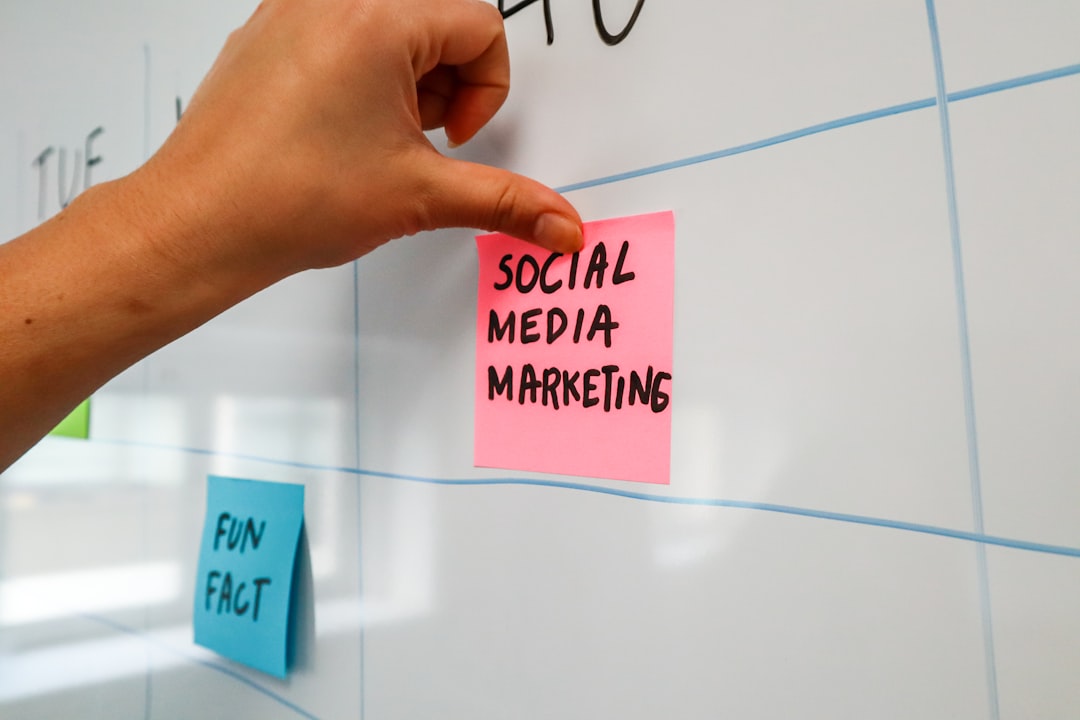
In many cases, productivity increases not because people work harder, but because they understand better.
The Risks of Ignoring the Message
Organizations that neglect message priority often fall into predictable traps. They chase viral trends, overproduce content, or constantly rebrand without addressing foundational clarity. The result is fragmented identity.
Warning signs include:
- Frequent changes in tone or direction
- Confusion about target audience
- High engagement with low retention
- Strong promotion but weak loyalty
When the medium overshadows meaning, communication may appear dynamic on the surface but lacks depth underneath. Over time, audiences detect this inconsistency.
The Role of Technology in a Messagenal World
Technology is not the enemy of message-first communication. In fact, modern tools can amplify well-crafted messaging with remarkable precision. Personalization algorithms, data insights, and automation platforms help deliver the right message to the right audience at the right moment.
However, technology cannot repair a weak message. Amplifying something unclear simply spreads confusion more efficiently.
The key lies in balance: technology enhances; it does not define. In a Messagenal framework, tools serve strategic clarity rather than replace it.
Building a Culture Around Message Priority
Adopting this philosophy requires more than editing external marketing. It involves cultural change. Leaders must model concise and meaningful communication. Teams must challenge vague statements. Processes should reward clarity over verbosity.
Practical steps toward cultivating a Messagenal culture include:
- Conducting a message audit across departments.
- Identifying one unifying theme or mission statement.
- Training teams in concise writing and storytelling skills.
- Evaluating communication effectiveness regularly.
Over time, this discipline becomes second nature. Decisions are filtered through the lens of “Does this strengthen our core message?”
The Long-Term Impact
When the message truly becomes the priority, relationships deepen. Customers feel understood rather than targeted. Employees feel aligned rather than instructed. Communities feel invited rather than marketed to.
This approach builds resilience. Trends shift, platforms rise and fall, but a strong message can adapt to new mediums without losing identity. That stability creates sustainable growth.
Ultimately, Messagenal thinking is not about speaking more loudly—it is about speaking more meaningfully. In a world saturated with content, meaning stands out.
FAQ: Messagenal and Message-First Communication
-
What does “Messagenal” mean?
It refers to a philosophy where the message is treated as the primary driver of communication strategy. Tools, platforms, and formats are chosen to support the message rather than define it. -
How is Messagenal different from traditional marketing?
Traditional marketing often begins with channels and promotional tactics. A Messagenal approach begins with clarity of purpose and ensures all outreach aligns with a consistent and meaningful core message. -
Can small businesses benefit from message-first thinking?
Yes. In fact, small businesses often gain a competitive edge by communicating clearly and authentically. Strong messaging can compensate for smaller budgets by fostering loyalty and trust. -
Does prioritizing the message mean reducing content output?
Not necessarily. It means producing content deliberately. Some organizations may publish less frequently but with greater impact, while others may maintain volume with stricter focus and consistency. -
How can an organization identify its core message?
Leaders can begin by clarifying their mission, values, and desired impact. Gathering feedback from customers and employees also helps reveal what resonates most strongly and authentically. -
Is emotional storytelling essential in a Messagenal strategy?
While not mandatory, emotional resonance significantly enhances memorability and engagement. Combining facts with narrative helps audiences connect on both logical and human levels.
In the end, Messagenal communication reminds organizations and individuals alike that messages shape perception, and perception shapes reality. When meaning leads and mediums follow, communication becomes not just effective—but transformative.