
There’s something undeniably fascinating about standing outside a celebrity’s home or visiting a filming location from your favorite movie. Whether you’re planning a vacation stop in Beverly Hills or a road trip to a small town made famous by television, doing your research beforehand can transform a simple photo opportunity into an informed and meaningful experience. But celebrity homes and filming locations come with unique concerns: privacy, local laws, access restrictions, and historical context all matter. Researching properly ensures your visit is respectful, safe, and far more rewarding.
TL;DR: Before visiting a celebrity home or filming location, research ownership, privacy rules, public access, and historical context. Use maps, property records, interviews, social media, and location databases to verify accuracy. Always respect private property and local laws. The more you prepare, the more meaningful—and responsible—your visit will be.
Why Research Matters Before You Go
Celebrity homes and filming locations often exist in real neighborhoods with real residents. While movies make places look publicly accessible, the reality can be very different. Some homes are gated private properties, and some filming locations may no longer resemble their on-screen versions.
Research helps you:
- Avoid trespassing and legal trouble
- Confirm accuracy of the address or location
- Understand historical significance
- Plan access and timing
- Learn behind-the-scenes facts
Instead of simply snapping a photo and leaving, you gain appreciation for the story behind the place.
Step 1: Verify the Exact Location
Internet rumors spread quickly. Before visiting, confirm the location through multiple credible sources. Fan forums and viral posts are fun—but not always accurate.
Best starting points:
- Official interviews where the celebrity references their home
- Property records through local county offices
- Reputable entertainment news outlets
- Film location databases
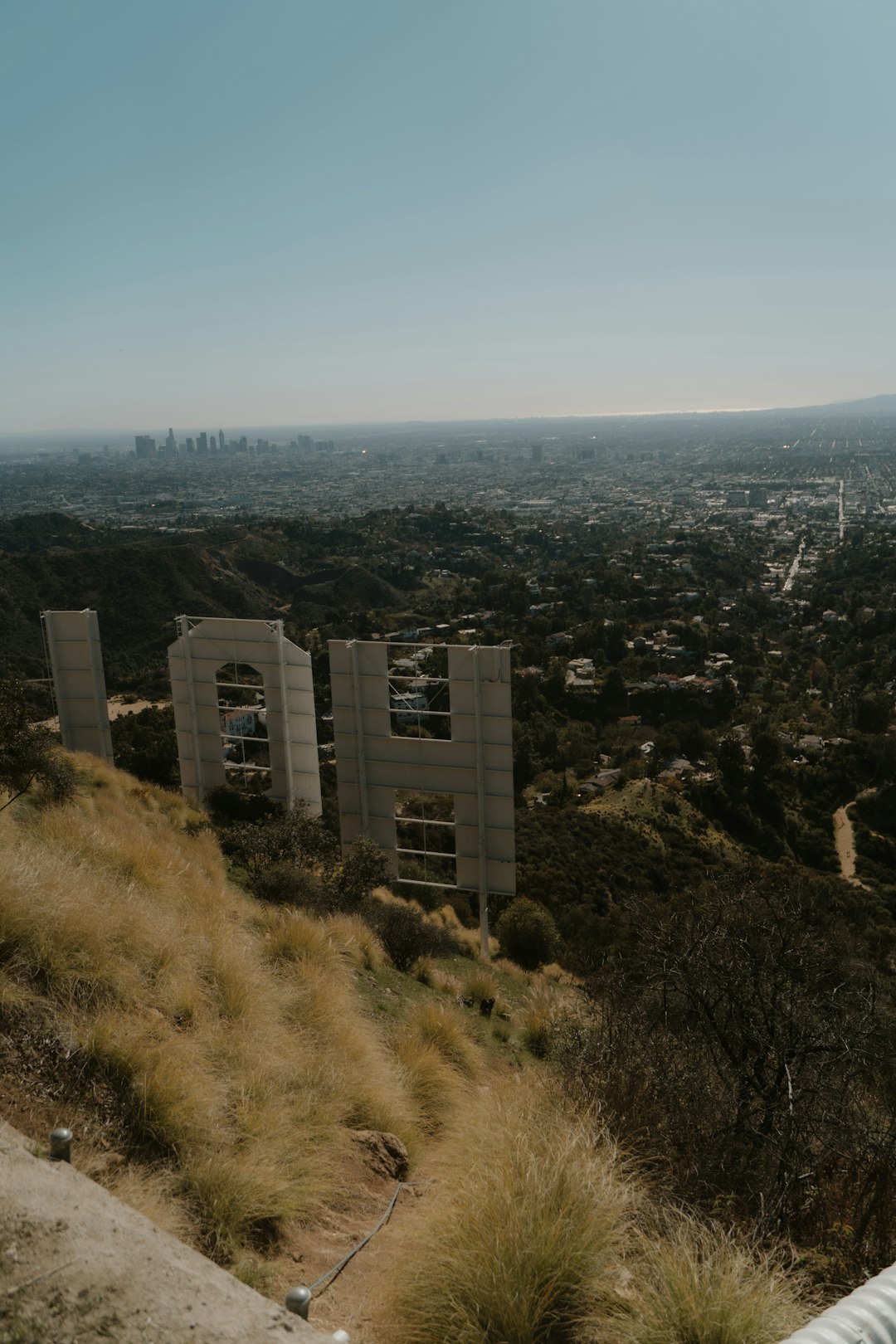
For filming locations in particular, many productions use multiple properties to represent one place. The exterior may be filmed in one state, while interiors were built on a studio lot elsewhere.
Take time to verify whether what you’re seeing online matches reliable documentation.
Step 2: Determine Public vs. Private Access
This is arguably the most important part of your research.
Ask yourself:
- Is the property privately owned?
- Is it visible from a public sidewalk?
- Are tours allowed?
- Are there local ordinances restricting photography?
Most celebrity homes are private residences. Viewing them from public streets is generally legal, but entering gates, driveways, or private roads is not. Even leaning over a fence for a better picture may constitute trespassing.
Filming locations vary widely:
- Privately owned homes – Usually exterior viewing only
- Public parks or landmarks – Generally accessible
- Studio backlots – Restricted without paid tours
- Businesses – Accessible during operating hours
Check local tourism websites and city guidelines to avoid misunderstandings.
Step 3: Use Online Tools Strategically
Several digital tools can help you confirm locations, explore surroundings, and plan respectfully.
Popular Research Tools Comparison
| Tool | Best For | Strength | Limitation |
|---|---|---|---|
| Google Maps & Street View | Visual confirmation | Real-time street imagery | Images may be outdated |
| Zillow / Property Records | Ownership details | Public sales history | May not reflect recent sales |
| IMDb Filming Locations | Film production sites | Crowdsourced database | Not always complete |
| Movie Location Databases | Exact scene breakdowns | Scene-specific details | Less coverage for older films |
| Local Tourism Websites | Access rules | Official visitor guidance | May omit private homes |
Tip: Cross-reference at least two sources before assuming a location is correct.
Step 4: Learn the Story Behind the Place
Research isn’t just about logistics—it’s about context.
Why did the celebrity choose that neighborhood? Was the filming location selected for historical reasons? Did significant events happen there?
Understanding background information transforms the visit from casual sightseeing into meaningful exploration.
Look for:
- Architectural style and construction year
- Previous owners
- Famous scenes filmed there
- Changes made for production
For example, many “iconic homes” were heavily modified with temporary facades, paint, or digital effects. What you see in person may differ significantly from what appeared on screen.
Step 5: Check Recent Updates
Celebrity real estate changes quickly. Homes are frequently bought, sold, renovated, or even demolished.
Search for:
- Recent sale listings
- News about moves or renovations
- Local development permits
Similarly, filming locations can close down or change purpose. A diner used in a TV series might now be temporarily closed—or permanently shut down.
Always confirm that the site still exists and remains accessible before adding it to your itinerary.
Step 6: Understand Privacy and Ethical Considerations
There is a difference between curiosity and intrusion.
Celebrities deserve privacy in their homes, just like anyone else. Responsible fans:
- Stay on public property
- Avoid blocking driveways
- Do not peer into windows
- Keep noise to a minimum
- Respect neighborhood residents
Filming locations often exist within normal residential communities. Neighbors may not appreciate crowds gathering daily for photos.
Ask yourself: Would I want someone behaving this way outside my house?
Step 7: Plan the Best Time to Visit
Timing influences both safety and overall experience.
Consider:
- Daylight hours for better visibility
- Weekdays to avoid crowds
- Seasonal changes (snow, foliage, decorations)
- Business hours if it’s a restaurant or store
Lighting matters for photos, especially if you’re attempting to recreate an iconic filmed scene.
Early morning or late afternoon often provides the most flattering natural light.
Step 8: Watch the Scene Again
Rewatching the movie or show episode gives you valuable clues.
Pay attention to:
- Angles and perspectives
- Landmarks in the background
- Distance between buildings
- Street signs or storefront names
Directors frequently combine multiple real-world locations into one seamless scene. You might discover that “one house” was actually three different buildings edited together.
Step 9: Explore Guided Tours and Local Experts
If you’re visiting a city known for celebrity culture—like Los Angeles, New York, or London—guided tours can simplify the process.
Benefits of guided tours:
- Verified locations
- Historical trivia
- Transportation included
- Knowledge of access laws
However, always research the tour company’s reputation. Ethical operators prioritize legality and respect for private property.
Step 10: Document Responsibly
If you plan to blog, vlog, or share photos on social media, do so thoughtfully.
Avoid:
- Posting exact private addresses
- Providing security details
- Encouraging trespassing
Instead, focus on the broader story—architecture, filmmaking history, cultural impact—rather than invasive details.
Bonus: Turning Your Visit Into a Learning Experience
Celebrity homes and filming locations often intersect with broader themes:
- Urban development
- Architectural trends
- Historic preservation
- Film production economics
Researching these topics can deepen your understanding and elevate your visit beyond simple sightseeing.
Final Thoughts
Researching a celebrity home or filming location before visiting is about more than finding the right address. It’s about verifying facts, understanding context, respecting privacy, and enhancing your overall experience. With careful preparation, you transition from casual fan to informed observer.
The next time you stand on a sidewalk outside an iconic home or walk through a town made famous by film, you’ll know not just where you are—but why it matters.
And that makes all the difference.