
As artificial intelligence becomes more embedded in higher education, many universities and students are asking an important question: Is ChatGPT offering premium access specifically to universities? With growing demand for AI-powered research tools, writing assistants, tutoring systems, and administrative automation, institutions are exploring enterprise-level AI subscriptions. Understanding what “premium access” actually means—and whether it is exclusive to academia—requires a closer look at how ChatGPT services are structured and delivered.
TLDR: ChatGPT does not offer a version exclusively reserved for universities, but it does provide premium and enterprise plans that institutions can adopt at scale. Universities can subscribe to higher-tier plans that include enhanced security, administrative controls, and broader usage limits. These offerings are designed for organizations, including academic institutions, rather than for students alone. Access depends on institutional agreements, not academic status by default.
What Is Meant by “Premium Access”?
When people refer to “premium access” in the context of ChatGPT, they are typically describing paid subscription tiers that provide expanded capabilities beyond free accounts. These may include:
- Priority access during peak usage times
- Faster response times
- Access to more advanced AI models
- Higher usage limits
- Data privacy protections suitable for organizations
- Administrative dashboards for managing users
These features are not inherently limited to universities. Instead, they are available to individuals, businesses, nonprofits, and educational institutions willing to subscribe to premium or enterprise-level plans.
Do Universities Receive Special Academic Plans?
While there is no secret version labeled “University-Only ChatGPT,” many AI providers—including ChatGPT services—offer enterprise-level solutions that can be tailored to educational settings. Universities may negotiate institutional licenses that allow:
- Campus-wide or department-wide deployment
- Integration with existing learning management systems
- Enhanced compliance with academic privacy regulations
- Custom usage policies for students and staff
This structured access can feel like a specialized academic product, but it is technically an adaptation of broader enterprise solutions.

Enterprise Plans vs. Individual Subscriptions
Understanding the distinction between subscription types is key.
Individual plans are generally designed for single users—students, researchers, or faculty members—who subscribe independently. These plans typically provide improved performance compared to free tiers but do not include centralized management tools.
Enterprise or team plans, on the other hand, are built for organizations. For universities, this can mean:
- Central billing systems
- IT oversight and analytics
- Single sign-on (SSO) authentication
- Enhanced data encryption
- Institutional data usage agreements
In practice, “premium access for universities” usually refers to the adoption of these enterprise-grade capabilities.
Why Would Universities Seek Premium AI Access?
Higher education institutions operate across research, teaching, administration, and student services. AI tools can enhance each of these domains.
1. Academic Research Support
Researchers increasingly use AI to summarize literature, generate code snippets, brainstorm hypotheses, and refine academic writing. Premium-tier access often provides:
- Longer context windows for analyzing large documents
- Improved reasoning capabilities
- More accurate summarization tools
2. Teaching and Curriculum Integration
Instructors may integrate AI into coursework to teach critical thinking, ethical AI usage, or technical skills. University-wide plans help ensure consistent standards for classroom implementation.
3. Administrative Efficiency
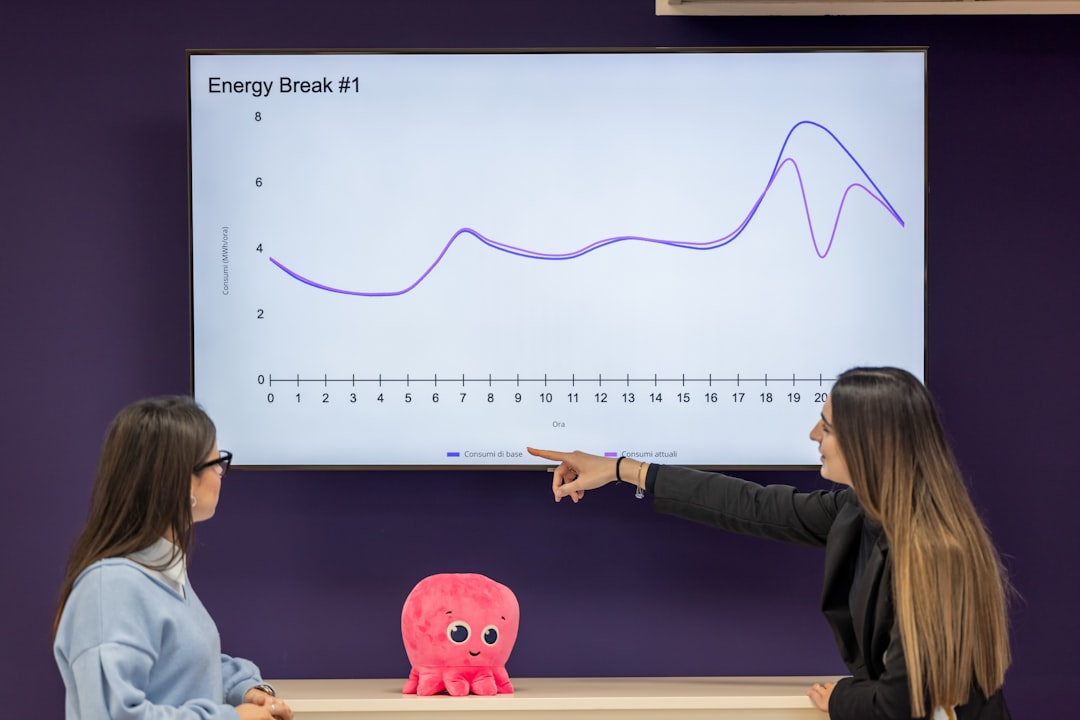
Admissions offices, student services, and HR departments can use AI systems to draft communications, answer common questions, and automate repetitive workflows.
4. Student Accessibility and Support
Premium tools can enhance accessibility features, assist in tutoring, and support international students with language refinement. Enterprise agreements may also enforce privacy safeguards aligned with educational data regulations.
Are Students Automatically Granted Premium Access?
In most cases, students do not automatically receive premium ChatGPT access simply by enrolling at a university. Access depends on whether the institution has purchased and deployed a campus-wide or departmental subscription.
If a university adopts an enterprise plan, students may gain access through institutional login credentials. However, without such agreements, students must subscribe individually if they want premium features.
Data Privacy and Compliance Considerations
One of the driving factors for institutional adoption is privacy. Universities handle sensitive data, including:
- Student academic records
- Research data
- Grant-funded project materials
- Personal identifying information
Enterprise AI agreements often include terms specifying that institutional data:
- Is not used to train public models
- Remains encrypted in transit and at rest
- Complies with regional data protection laws
Such features differentiate enterprise access from consumer-level subscriptions and contribute to the perception of “premium academic” models.
Is There a Discounted Academic Pricing Model?
Some technology providers offer academic discounts to qualifying institutions. These discounts vary by region, institutional size, and contractual scope. While not universally guaranteed, universities often negotiate pricing tiers based on:
- Total number of users
- Duration of agreement
- Required support services
- Level of customization
Individual student discounts may exist in certain contexts, but large-scale academic pricing generally occurs at the institutional level.
How Universities Implement AI Access
Implementation is rarely as simple as flipping a switch. Universities typically follow a structured evaluation process:
- Pilot Programs: Testing AI tools within select departments.
- Policy Development: Establishing academic integrity guidelines.
- Faculty Training: Teaching instructors how to integrate AI responsibly.
- Student Orientation: Providing guidance on appropriate usage.
- Technical Integration: Connecting AI services to campus IT systems.
This comprehensive rollout ensures responsible use rather than unrestricted deployment.
Common Misconceptions
Several myths circulate about university access to ChatGPT:
- Myth 1: Universities have access to a hidden, more powerful academic AI version.
Reality: They use enterprise or premium plans designed for organizations. - Myth 2: All university data is automatically private regardless of plan type.
Reality: Data protections depend on the agreement and subscription level. - Myth 3: Students can claim educational status for automatic upgrades.
Reality: Access upgrades require paid subscriptions or institutional licenses.
The Ethical Dimension of AI in Universities
Premium access alone does not solve ethical concerns. Institutions must balance innovation with academic integrity. Policies often address:
- Proper citation of AI-assisted work
- Limits on AI-generated assignments
- Transparency requirements
- AI detection and evaluation methods
The broader debate is not simply about access, but about responsible integration. Premium capabilities may expand functionality, but governance determines impact.
The Future of AI Access in Higher Education
As AI systems become increasingly embedded in research and learning environments, universities may move toward deeper institutional partnerships. Possible future developments include:
- Customized academic AI models trained on licensed scholarly databases
- Expanded collaboration between AI developers and research institutions
- AI tutors embedded directly in digital textbooks
- Stronger regulatory frameworks for student data protection
Whether labeled as “premium” or “enterprise,” institutional AI access will likely become more structured and integrated over time. Rather than exclusive academic versions, universities are more likely to receive configurable, scalable AI systems tailored to their operational needs.
Conclusion
ChatGPT is not offering a secret or exclusive premium tier available only to universities. Instead, academic institutions can access advanced capabilities through organizational or enterprise-level plans similar to those used by businesses and large organizations. These plans offer enhanced security, customization, and administrative oversight, making them suitable for higher education environments.
Ultimately, the distinction lies not in academic exclusivity but in contractual agreements. Universities seeking premium access must negotiate structured plans, implement governance frameworks, and align AI usage with educational standards. As adoption grows, institutional AI partnerships are likely to become more common—but they remain part of a broader enterprise ecosystem rather than a parallel academic-only system.
Frequently Asked Questions (FAQ)
- Does ChatGPT provide a special academic-only version?
No. Universities use premium or enterprise plans designed for organizations rather than a separate academic-exclusive version. - Can students get free premium access through their university?
Only if the university has purchased and deployed an institutional license. Otherwise, students must subscribe individually. - Are university conversations automatically private?
Privacy provisions depend on the type of subscription and contractual agreement in place. - Is enterprise access more powerful than individual premium plans?
Enterprise plans focus on scalability, administrative tools, and security. Model capabilities may overlap, but management features differ significantly. - Do universities receive discounted pricing?
Some institutions may negotiate academic pricing, but discounts are not automatically granted and depend on contract terms. - Why are universities adopting premium AI tools?
They seek to support research, streamline administration, enhance teaching, and ensure secure, compliant AI integration across campus systems.