
A trucking company’s website is more than a digital business card. It is often the first place shippers, brokers, drivers, and logistics partners go to decide whether your company looks reliable, responsive, and capable of handling the job. In an industry built on deadlines, trust, and operational efficiency, strong website design can turn casual visitors into qualified leads.
TLDR: A high-performing trucking company website should make it easy for visitors to request quotes, contact dispatch, explore services, and trust your business quickly. The best designs combine clear messaging, mobile-friendly layouts, fast loading speed, strong calls to action, and proof of reliability. Features like quote forms, service pages, driver recruitment sections, testimonials, and fleet visuals can directly help generate more leads.
Why Website Design Matters in the Trucking Industry
Trucking is a competitive business. Whether your company handles local deliveries, long-haul freight, refrigerated transport, flatbed loads, intermodal shipping, or specialized logistics, potential customers are comparing options before they ever pick up the phone. A dated or confusing website can make even a dependable carrier look unprofessional.
Good website design works like a silent sales representative. It answers basic questions, builds confidence, and encourages visitors to take action. When a shipper lands on your site, they are usually looking for a few things right away: Can you move their freight? Do you serve their area? Are you reliable? How quickly can they get a quote?
If your site answers those questions clearly, you have a much better chance of earning the lead.
Start With a Clear Value Proposition
Your homepage should immediately explain who you are, what you do, and why someone should choose your trucking company. Avoid vague phrases like “quality transportation solutions” unless they are supported by specific details.
Instead, use direct messaging such as:
- “Regional refrigerated freight across the Midwest with 24 7 dispatch support.”
- “Flatbed and heavy haul specialists serving construction and industrial clients.”
- “Reliable dry van trucking for retail, food, and manufacturing supply chains.”
A strong value proposition should be visible near the top of the page, paired with a direct call to action like “Request a Freight Quote” or “Contact Dispatch.” Visitors should not have to scroll or guess what your company offers.
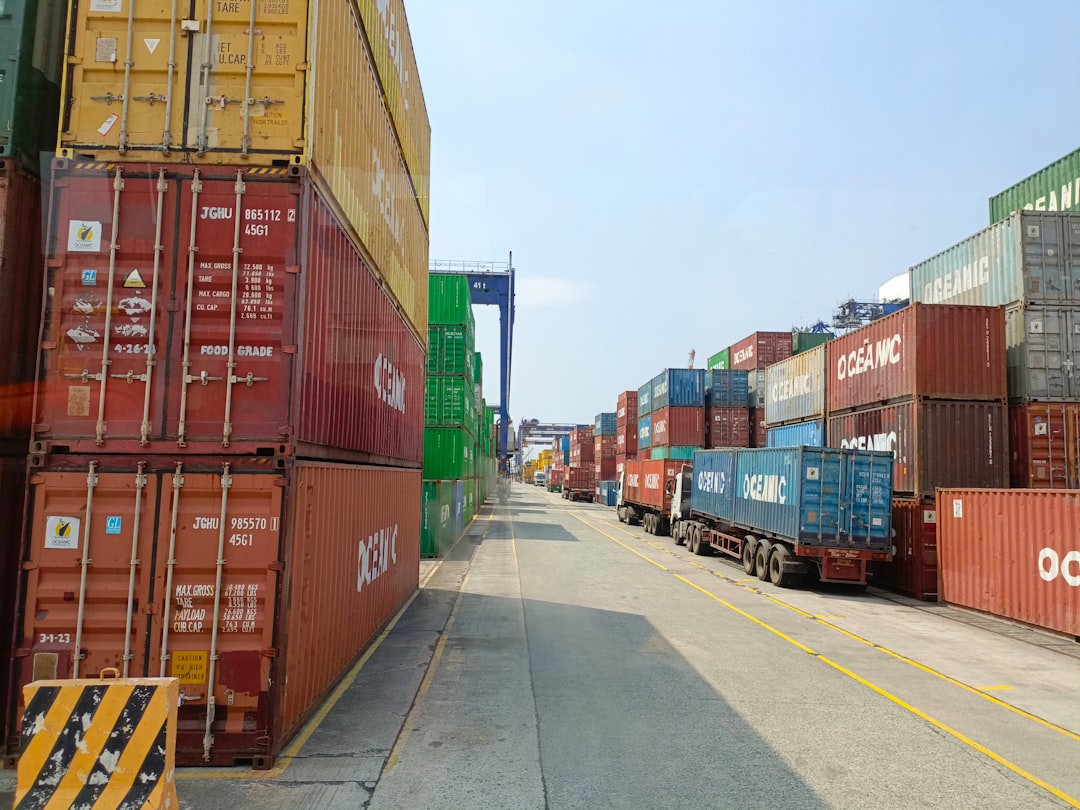
Make Quote Requests Fast and Simple
One of the most important lead-generating features for trucking websites is a quote request form. Shippers visiting your site are often ready to compare rates or check capacity. If they cannot find a fast way to submit shipment details, they may leave and contact a competitor.
An effective quote form should be simple enough to complete quickly, but detailed enough to qualify the lead. Consider including fields for:
- Pickup location
- Delivery location
- Freight type
- Load weight and dimensions
- Preferred pickup date
- Contact name, phone number, and email
- Special requirements, such as refrigeration or permits
Keep the form visually clean and avoid asking for unnecessary information upfront. A long, complicated form can reduce conversions. If your sales or dispatch team needs additional details, they can collect them during follow-up.
Use Strong Calls to Action on Every Page
Every page on your trucking website should guide visitors toward the next step. This does not mean overwhelming them with buttons everywhere. It means placing helpful, relevant calls to action where users are most likely to make a decision.
Examples of effective calls to action include:
- Request a Quote
- Call Dispatch
- Speak With a Logistics Specialist
- Check Service Areas
- Apply to Drive
For best results, use action-oriented language. Instead of a generic “Submit” button, use “Get My Freight Quote” or “Send Shipment Details.” Small wording changes can make the action feel more valuable and specific.
Design for Mobile Users First
Many visitors will view your site from a phone. A shipping manager may be checking carriers between meetings, a driver may be applying from the road, or a broker may be looking for quick capacity information. If your site is hard to use on mobile, you risk losing valuable leads.
A mobile-friendly trucking website should include:
- Large, easy-to-tap buttons
- Clickable phone numbers
- Simple navigation menus
- Short forms that work well on small screens
- Fast-loading pages
- Readable text without zooming
Mobile design is especially important for recruitment. Drivers often browse job opportunities on their phones. If your driver application page is difficult to complete, applicants may abandon it before submitting their information.
Showcase Your Services Clearly
A trucking company may offer several services, but if they are buried on one generic page, visitors may miss what they need. Create dedicated service sections or pages for each major offering. This helps users find relevant information and also improves search visibility.
Common service pages might include:
- Dry van trucking
- Refrigerated freight
- Flatbed transportation
- Heavy haul trucking
- Local and regional delivery
- Expedited freight
- Warehousing and distribution
- Cross docking
Each service page should explain what the service includes, who it is best for, what regions you serve, and how to request a quote. Use practical language rather than industry buzzwords. A customer wants to know whether you can solve their shipping problem, not just that you offer “integrated logistics excellence.”
Build Trust With Proof, Not Promises
Trust is one of the biggest factors in freight decisions. Shippers are not only choosing a price; they are choosing who will handle their inventory, delivery schedules, and customer commitments. Your website should demonstrate reliability through evidence.
Useful trust-building elements include:
- Years in business: Show your experience if you have a strong track record.
- Fleet size: Mention the number of tractors, trailers, or specialized equipment if relevant.
- Safety records: Highlight safety commitments, training, or compliance standards.
- Customer testimonials: Include quotes from shippers, manufacturers, distributors, or partners.
- Industry certifications: Display credentials, memberships, or compliance indicators where appropriate.
- Case studies: Explain how you helped a client solve a transportation challenge.
Testimonials are especially powerful when they are specific. A quote like “They reduced missed delivery windows during our peak season” is more convincing than “Great service.”

Include High-Quality Fleet and Team Visuals
Images matter. In trucking, visuals can communicate professionalism quickly. Photos of your trucks, drivers, terminals, maintenance facilities, and dispatch team help visitors see that your company is active, organized, and real.
Whenever possible, use authentic images rather than generic stock photos. A real photo of your branded trucks on the road is far more persuasive than a generic image of a semi truck with no connection to your company. Strong visuals can also support recruiting by showing company culture, equipment quality, and pride in the fleet.
Consider adding a gallery section with:
- Trucks and trailers
- Drivers and staff
- Loading and unloading operations
- Warehouse or terminal locations
- Specialized equipment
Keep image file sizes optimized. Large images may look impressive, but if they slow down your website, they can hurt both user experience and search performance.
Feature Service Areas and Routes
Location is critical in trucking. Visitors need to know whether your company serves their pickup and delivery regions. A good trucking website should make service areas easy to understand.
You can present service coverage through:
- An interactive map
- A list of states or regions served
- Dedicated location pages
- Route descriptions
- Terminal or office location details
If your company specializes in certain lanes, say so. For example, a carrier that frequently runs Texas to California or Chicago to Atlanta should make that clear. Specific route information can attract more qualified traffic from shippers searching for those lanes.
Add Driver Recruitment Features
For many trucking companies, the website must generate two types of leads: freight customers and driver applicants. Driver recruitment should not be an afterthought. A strong careers section can reduce hiring friction and improve applicant quality.
An effective driver recruitment page should include:
- Available positions
- Pay structure or earning potential
- Home time expectations
- Benefits
- Equipment details
- Minimum requirements
- A short mobile-friendly application form
Drivers want clear information. If pay, routes, and expectations are vague, they may assume the opportunity is not competitive. Be honest and specific. A transparent recruitment page can save time for both applicants and hiring managers.
Use Fast Loading Speed to Keep Visitors Engaged
Speed is a design feature. If your site takes too long to load, visitors leave before they see your services or quote form. This is especially true on mobile networks or in areas with weaker connections.
To improve speed, your website should use compressed images, clean code, reliable hosting, and minimal unnecessary scripts. Avoid autoplay videos, oversized hero images, or complicated animations that do not support the user’s goal.
A fast site creates a subtle but powerful impression: your company is efficient. In logistics, that impression matters.
Make Contact Information Impossible to Miss
Some visitors prefer forms, while others want to call immediately. Your phone number, email address, and key contact options should be easy to find from every page. Place primary contact details in the header, footer, and contact page.
For trucking companies with multiple departments, separate contact paths can improve lead handling:
- Freight quotes
- Dispatch
- Driver recruiting
- Billing
- General inquiries
This helps visitors reach the right person faster and prevents good leads from getting lost in a general inbox.
Optimize for Search Engines and Local Visibility
Search engine optimization helps your website attract people actively looking for transportation services. A well-designed trucking website should be structured so search engines can understand your services, locations, and expertise.
Important SEO features include:
- Clear page titles and headings
- Service-specific content
- Location-based pages
- Fast loading speed
- Mobile-friendly design
- Descriptive image text
- Internal links between related pages
For local and regional trucking companies, local SEO is especially valuable. Include your business address, service areas, phone number, and consistent company information across the website. If you serve multiple cities or states, create useful content for those areas instead of copying the same text across pages.

Add Tracking, Analytics, and Lead Measurement
A website should not only look good; it should provide insight. Analytics tools can show which pages attract visitors, where leads come from, and which calls to action perform best. This data helps you improve the site over time.
Track important actions such as:
- Quote form submissions
- Phone number clicks
- Driver applications
- Contact form submissions
- Visits to service pages
Lead tracking is particularly useful for marketing decisions. If a specific service page generates quote requests, you may want to invest more in that service. If visitors reach a form but do not submit it, the form may need to be shorter or clearer.
Keep the Design Professional and Practical
Trucking website design should be polished, but it does not need to be flashy. The best design choices support clarity, trust, and action. Use a strong color palette, readable fonts, consistent spacing, and organized layouts. Avoid clutter, overly complex menus, and decorative effects that distract from lead generation.
A practical design should help visitors answer these questions quickly:
- What services do you provide?
- Where do you operate?
- Why should I trust you?
- How do I request a quote?
- How can drivers apply?
If your website makes those answers obvious, it is already ahead of many competitors.
Final Thoughts
A successful trucking company website combines strong design with real business purpose. It should attract the right visitors, provide the information they need, and guide them toward action. Features like simple quote forms, clear service pages, mobile-friendly design, visible contact options, authentic visuals, trust signals, and driver recruitment tools all contribute to better lead generation.
In the trucking industry, reliability begins before the first load is booked. It starts with the first impression your website creates. When your site looks professional, loads quickly, explains your capabilities, and makes communication easy, it becomes one of your most valuable sales and recruiting assets.