The Block Foundation, a growing organization in the technology sector, has quickly established itself as a notable proponent of decentralization, transparency, and community-driven development. With a mission rooted in fostering innovation through collaboration, its primary focus lies in empowering developers and contributors worldwide by championing open-source initiatives that benefit not just blockchain ecosystems, but a variety of technological domains.
TL;DR
The Block Foundation is leading the charge in open-source technology by developing decentralized tools, platforms, and frameworks that prioritize transparency and communal growth. This organization supports global developers through funding programs, mentoring, and collaborative development models. Their projects focus on blockchain, AI, Web3, and more, all built on the ethos of open accessibility and innovation. If you’re passionate about open-source movements or looking to contribute to cutting-edge tech, Block Foundation offers a strong platform and vibrant community for collaboration.
Origins and Vision
Founded in the early 2020s, the Block Foundation was born from a collective belief that the future of technology lies in decentralized, permissionless innovation. Originally started by a group of blockchain developers and cryptographers, the foundation gained rapid attention for its commitment to building public goods—software tools, protocols, and platforms that are open source and community-governed.
The Block Foundation’s vision is simple yet ambitious: to make digital innovation accessible and equitable for all. It builds frameworks and tools that reduce entry barriers for new developers while encouraging experimentation and decentralization.
Core Open Source Initiatives
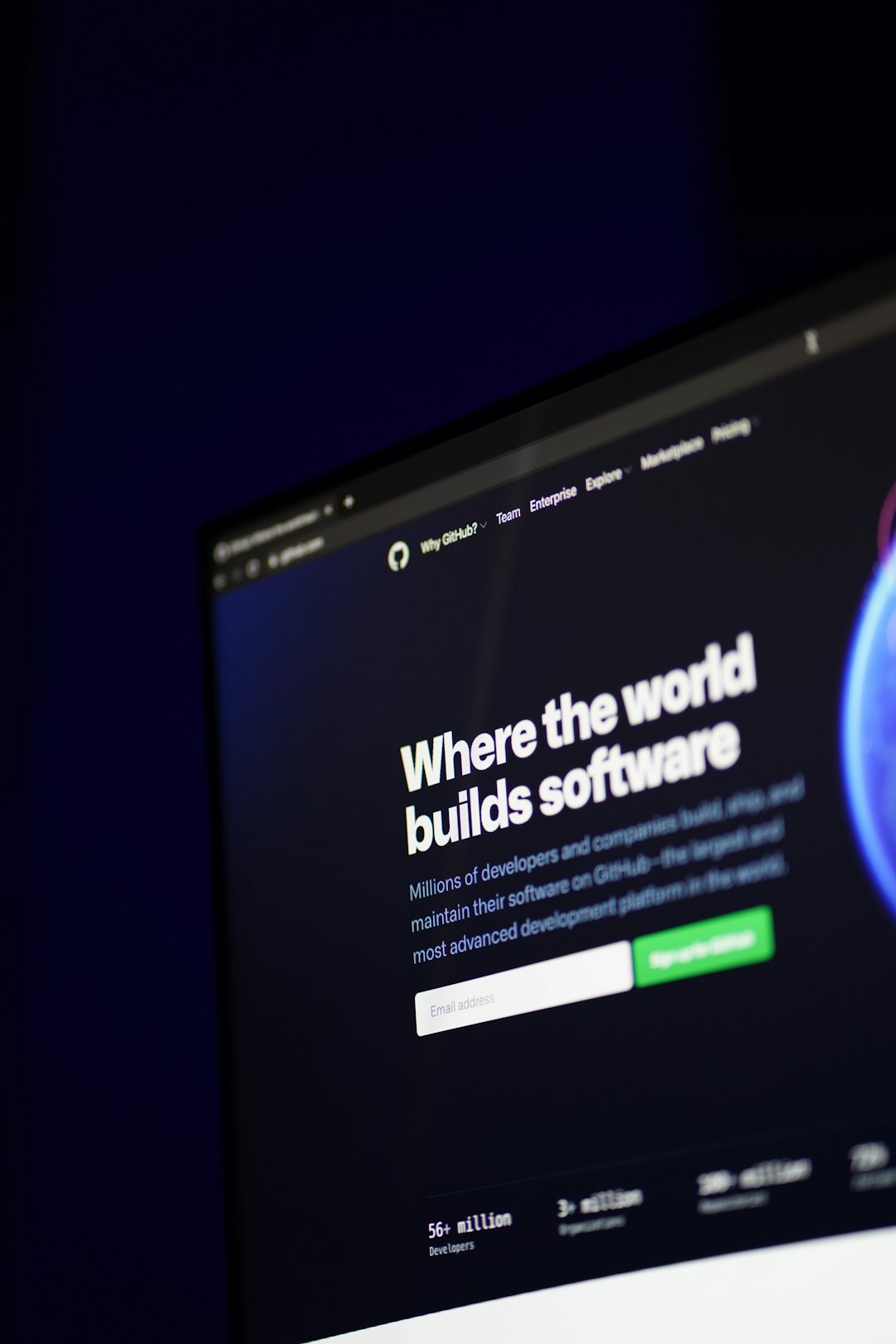
The foundation manages and sponsors a wide array of open-source projects, most of which are hosted on popular repositories like GitHub and GitLab. Its top initiatives span across technology concerns such as blockchain infrastructure, decentralized identity, privacy-preserving tools, and developer productivity. Some of the notable initiatives include:
- Blockstack.js – A modular JavaScript framework for building decentralized applications (dApps).
- NodeFund – A funding mechanism for maintaining publicly used nodes and APIs in blockchain networks.
- ZeroTrustLib – A privacy-first identity and access library based on Zero Knowledge Proofs (ZKPs).
- DevMesh – A collaborative environment for open-source project teams with integrated version control, chat, and governance tools.
Community-Centric Development
What sets Block Foundation apart is its community-centric model. Contributors are not just developers—they are researchers, educators, entrepreneurs, and even artists. The foundation provides multiple pathways for involvement, including:
- Hackathons and Grants – Regular funding rounds for project proposals, research papers, and MVPs.
- Mentorship Programs – Experts from within the community mentor budding developers and guide them on open-source best practices.
- Community Governance – Token-based or reputation-based voting systems allow stakeholders to influence project direction and resource allocation.
This inclusiveness ensures that the platform remains adaptable and consistently reflective of its users and contributors. Transparency reports, open voting outcomes, and publicly auditable development logs are all elements seamlessly integrated into their processes.
Partnerships and Ecosystem Integration
To amplify its reach, Block Foundation partners with educational institutions, tech companies, and non-profits interested in supporting open-source infrastructure. Examples of successful collaborations include:
- Decentralized AI Consortium – An academic-industry partnership building open AI models for ethical tech applications.
- CodeForChange – A non-profit initiative to bring underrepresented communities into the open-source fold.
- Open Block Vault – A collaborative knowledge base maintained by blockchain educators and analysts worldwide.

These partnerships not only offer technical validation but also ensure a sustained flow of new contributors, ideas, and methodologies into the Block Foundation ecosystem.
Security and Auditing
Security is a cornerstone value. Open-source doesn’t imply open to vulnerabilities. To this end, the Block Foundation maintains a comprehensive suite of auditing protocols and third-party validators who continuously test the codebases. Regular bug bounty programs are also held, backed by a dedicated security research fund.
Moreover, through tools such as the Integrity Ledger, the Foundation enables public verification of development histories, providing peace of mind to its ecosystem partners and end-users alike.
Challenges and Future Prospects
Despite its success, the Block Foundation faces challenges common in the open-source space:
- Contributor Burnout
- Funding sustainability
- Maintaining quality alongside rapid expansion
To address these, they are experimenting with decentralized autonomous governance systems and sustainability models inspired by DAOs and quadratic funding approaches. Their upcoming roadmap includes:
- Launching a decentralized mentorship DAO
- Integration with Web5 identity frameworks
- Creating multi-chain toolkits for cross-platform dApp development
The future of the Block Foundation looks bright as it evolves into a global hub for next-generation technology innovation built on openness and integrity.
FAQs
- What is the Block Foundation?
- The Block Foundation is a nonprofit organization dedicated to promoting open-source software and infrastructure in domains like blockchain, AI, and Web3. It supports innovators through resources, mentorship, and funding.
- How can I contribute to the Block Foundation?
- There are many ways to contribute—including coding, documentation, community outreach, or participating in hackathons and grant opportunities. Check their official site or project repositories for contribution guidelines.
- Are all their projects publicly accessible?
- Yes. All Block Foundation’s software projects are open source and publicly available on platforms like GitHub. This aligns with their mission of transparency and community-driven growth.
- Do contributors get compensated?
- Yes, contributors can apply for grants or participate in bounty programs. Some long-term contributors are also offered fellowships or funding for full-time open-source work.
- Is the Block Foundation affiliated with any blockchain?
- No specific allegiance. While the Foundation supports blockchain development, it remains chain-agnostic, promoting tools that can integrate across multiple blockchain ecosystems.