
Cloud bills can feel like a surprise party you never wanted. Everything looks cheap at first. Then the invoice shows up. Ouch. The good news? You do not have to accept runaway cloud costs. Modern cloud cost optimization tools like Spot.io help you spend less without slowing down your apps.
TLDR: Cloud cost optimization tools help you reduce waste and lower your cloud bill. Tools like Spot.io use automation and smart scaling to grab cheaper compute power. Others focus on rightsizing, monitoring, and forecasting. The result is simple: fewer surprises and more savings.
Why Cloud Costs Spiral So Fast
Cloud pricing is flexible. That is both a blessing and a curse.
- You pay for what you use.
- But you often use more than you need.
- Engineers move fast.
- Old resources stay running.
- Test servers never get turned off.
The result? Waste. Lots of it.
Many companies waste up to 30% of their cloud spend. Sometimes more. That is like setting money on fire every month.
What Cloud Cost Optimization Tools Actually Do
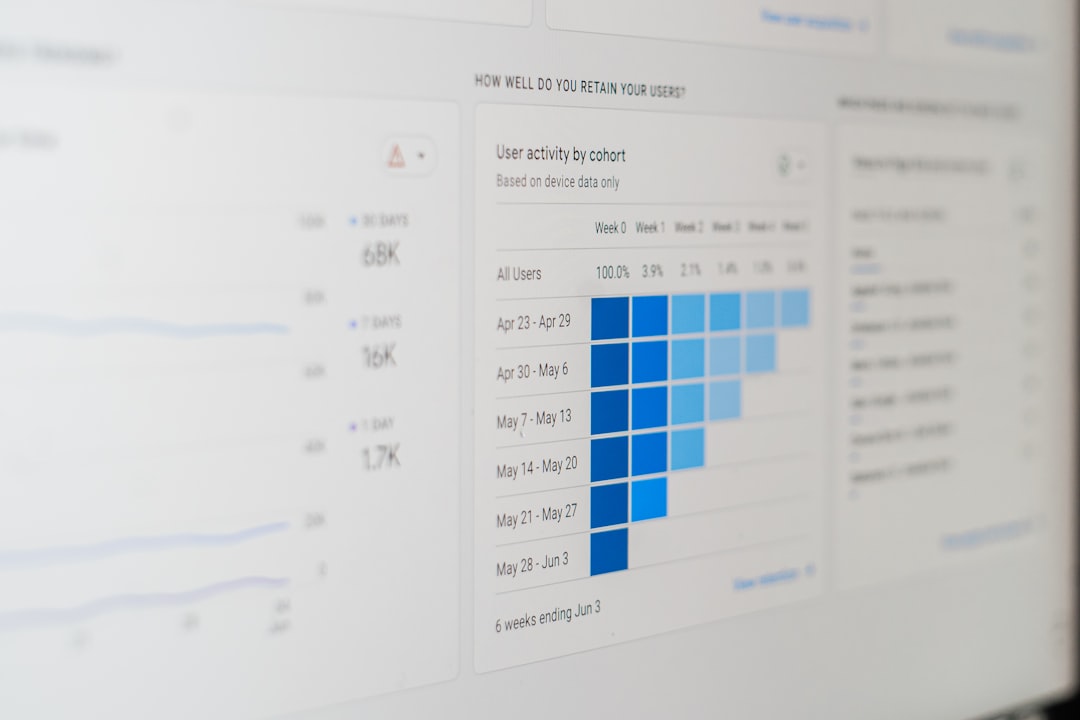
These tools act like smart assistants for your cloud setup.
They help you:
- Find unused resources
- Automatically scale workloads
- Switch to cheaper pricing models
- Forecast future spend
- Set budgets and alerts
Some tools focus heavily on automation. Others focus on visibility and reporting. The best ones combine both.
Spot.io: The Automation Powerhouse
Spot.io is best known for one thing: using spot instances intelligently.
Spot instances are discounted cloud servers. They can be up to 90% cheaper. The catch? They can be interrupted.
That sounds scary. But Spot.io handles the risk for you.
It does this by:
- Automatically replacing interrupted instances
- Balancing workloads across instance types
- Predicting capacity trends
- Integrating with Kubernetes and autoscaling groups
The result is simple. You get the lower price. Without the manual headache.
Spot.io is especially powerful for:
- Containerized workloads
- Kubernetes clusters
- CI/CD pipelines
- Batch processing
- Stateless applications
If your infrastructure is dynamic, Spot.io shines.
Other Popular Cloud Cost Optimization Tools
Spot.io is not alone. The cloud optimization space is growing fast. Let us look at some strong alternatives.
1. AWS Cost Explorer
If you use AWS, this is built in.
It helps you:
- Visualize usage trends
- Analyze spending by service
- Create budget alerts
It is great for visibility. Not as strong in automation.
2. Azure Cost Management
Microsoft’s native solution.
It focuses on:
- Cost allocation
- Forecasting
- Budget tracking
It works well inside the Azure ecosystem.
3. Google Cloud Billing Tools
Google provides built-in cost tools too.
You get:
- Cost breakdowns
- Recommendations
- Budget alerts
Strong reporting. Less automation compared to Spot.io.
4. CloudHealth
CloudHealth focuses on multi-cloud visibility.
It helps large organizations:
- Track usage across AWS, Azure, and Google Cloud
- Manage governance
- Allocate costs by team
It is popular with enterprises.
5. Kubecost
If you run Kubernetes, Kubecost is built for you.
It tells you:
- Which pods cost the most
- Which namespaces waste resources
- How to rightsize clusters
Perfect for container-heavy environments.
Quick Comparison Chart
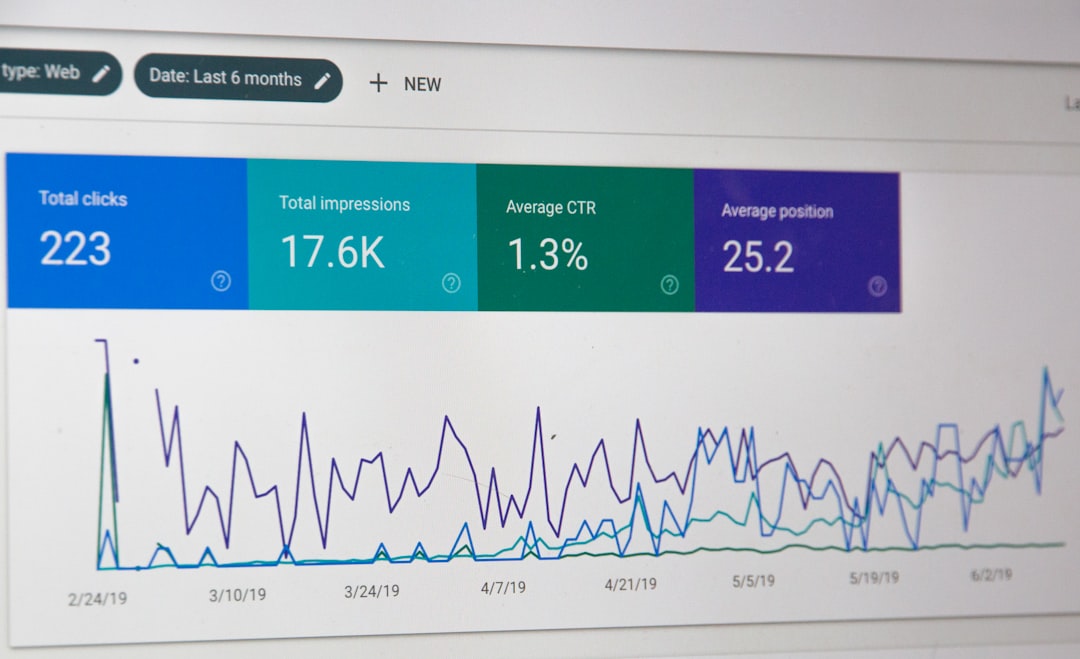
| Tool | Best For | Automation Level | Multi-Cloud Support | Ideal Company Size |
|---|---|---|---|---|
| Spot.io | Spot instance automation | High | Yes | Startup to Enterprise |
| AWS Cost Explorer | AWS cost visibility | Low | No | Small to Large |
| Azure Cost Management | Azure budgeting | Low to Medium | Limited | Small to Enterprise |
| CloudHealth | Governance and reporting | Medium | Yes | Enterprise |
| Kubecost | Kubernetes visibility | Medium | Yes | Startup to Enterprise |
How These Tools Actually Save You Money
Let us break it down simply.
1. Rightsizing
Many servers are oversized.
You might be paying for 16 CPUs. But using only 4.
Optimization tools detect this. They recommend smaller instances.
Less power. Same performance. Lower bill.
2. Eliminating Zombie Resources
Old disks. Idle IP addresses. Forgotten test machines.
They all cost money.
Cost tools find them. Fast.
3. Committing Smartly
Cloud providers offer discounts if you commit to usage.
Reserved instances. Savings plans. Committed use discounts.
These tools analyze your patterns. Then suggest safe commitments.
4. Using Spot Instances
This is where Spot.io shines.
Spot capacity is cheaper because it uses spare cloud inventory.
If used correctly, savings can reach 70–90%.
Automation makes it safe.
5. Intelligent Autoscaling
Why run 20 servers at midnight if you only need 5?
Cost optimization tools shrink and expand capacity automatically.
No manual babysitting required.

Who Should Use These Tools?
Short answer? Almost everyone in the cloud.
But especially:
- Startups trying to extend runway
- SaaS companies with unpredictable traffic
- DevOps teams managing Kubernetes
- Large enterprises juggling multi-cloud environments
If your monthly cloud bill makes you nervous, you need optimization.
How to Choose the Right One
Ask yourself a few simple questions:
- Are we single-cloud or multi-cloud?
- Do we use Kubernetes heavily?
- Do we want automation or just visibility?
- How big is our infrastructure?
If automation and deep savings are your priority, Spot.io is powerful.
If you only need reporting inside one cloud, built-in tools might be enough.
If you run complex enterprise workloads across multiple clouds, a governance-heavy platform like CloudHealth may be better.
Common Mistakes to Avoid
Ignoring Small Savings
Small improvements add up. A few hundred dollars per service can mean thousands monthly.
Optimizing Once and Forgetting It
Cloud environments change constantly. Optimization must be ongoing.
Relying Only on Manual Reviews
Humans miss things. Automation catches them faster.
Being Afraid of Spot Instances
Used incorrectly, they can disrupt workloads. Used with a smart platform, they are gold.
The Fun Part: Watching the Bill Drop
There is something deeply satisfying about lowering a cloud bill.
It feels like winning a negotiation.
Except you are negotiating with math.
Companies that implement strong cost optimization often report:
- 20% to 60% reduction in compute costs
- Better forecasting accuracy
- Happier finance teams
- Less tension between engineering and management
That last one is priceless.
Cloud Cost Optimization Is Not About Cutting Corners
This is important.
Optimization does not mean weakening performance.
It means:
- Paying for what you actually use
- Using smarter pricing models
- Automating better decisions
It is about efficiency. Not restriction.
The Future of Cloud Savings
Cloud environments are getting more complex.
AI workloads are growing. Data pipelines are expanding. Microservices are everywhere.
Manual cost management cannot keep up.
The future is:
- AI-driven optimization
- Automated workload placement
- Real-time cost shifting
Tools like Spot.io are already moving in this direction.
The smarter your infrastructure becomes, the less waste you will tolerate.
Final Thoughts
Cloud computing transformed how we build software. But convenience comes at a price.
The trick is not leaving money on the table.
Cloud cost optimization tools give you control. They give you visibility. Most importantly, they give you savings.
If your cloud bill keeps climbing, do not panic.
Optimize it.
Your future self. And your finance team. Will thank you.