
The Toyota Sienna has long been recognized as a family-friendly minivan with spacious interiors, strong fuel economy, and industry-leading safety features. As automotive technology evolves, so do consumer expectations for seamless integration of digital services, particularly navigation systems. A common question among potential and current buyers is whether the 2025 Toyota Sienna uses Google Maps for its onboard navigation. With the ever-growing influence of Google in the automotive industry, this question is both relevant and timely.
TLDR: Does the 2025 Toyota Sienna Use Google Maps?
The 2025 Toyota Sienna does not come with Google Maps built directly into its native infotainment system. However, it offers full compatibility with both Apple CarPlay and Android Auto, which allows users to access Google Maps via their smartphones. This means you can use Google Maps on the infotainment screen, but it’s dependent on your mobile device. Toyota continues to use its proprietary navigation system as the built-in default, complemented by the flexibility of smartphone integration.
Understanding Toyota’s Infotainment System
Toyota’s infotainment system in the 2025 Sienna is a continuation of its latest multimedia platform that debuted in recent models. The system includes:
- High-definition touchscreen display (available up to 12.3 inches)
- Toyota Audio Multimedia software, designed in-house by Toyota Connected Technologies
- Voice-activated controls using the command “Hey Toyota”
- Bluetooth connectivity, Wi-Fi hotspot capabilities
- Built-in navigation system powered by Toyota’s own maps and software
Notably, while the built-in navigation system is functional and offers real-time traffic data and voice guidance, it is not powered by Google Maps. Toyota has opted to maintain a proprietary setup that allows full system control and security but does not yet feature Google’s native mapping technology.
Android Auto and Apple CarPlay Integration
While the system doesn’t run Google Maps natively, the 2025 Sienna includes standard Android Auto and Apple CarPlay on all trims. This opens the door for Google Maps and other navigation apps.
Here’s how you can access Google Maps in your Sienna:
- Connect your Android or iOS phone to the infotainment system via USB or, in some cases, wirelessly.
- Activate Android Auto or Apple CarPlay from the central screen.
- Open Google Maps through the mirrored interface on your vehicle’s display.
Once the system is connected, Google Maps will function on the dashboard display just its like built-in counterpart, offering real-time traffic info, lane guidance, and predictive routing. This solution ensures that users can leverage the familiarity and accuracy of Google Maps while still using Toyota’s hardware platform.
Why Doesn’t Toyota Use Google Maps Natively?
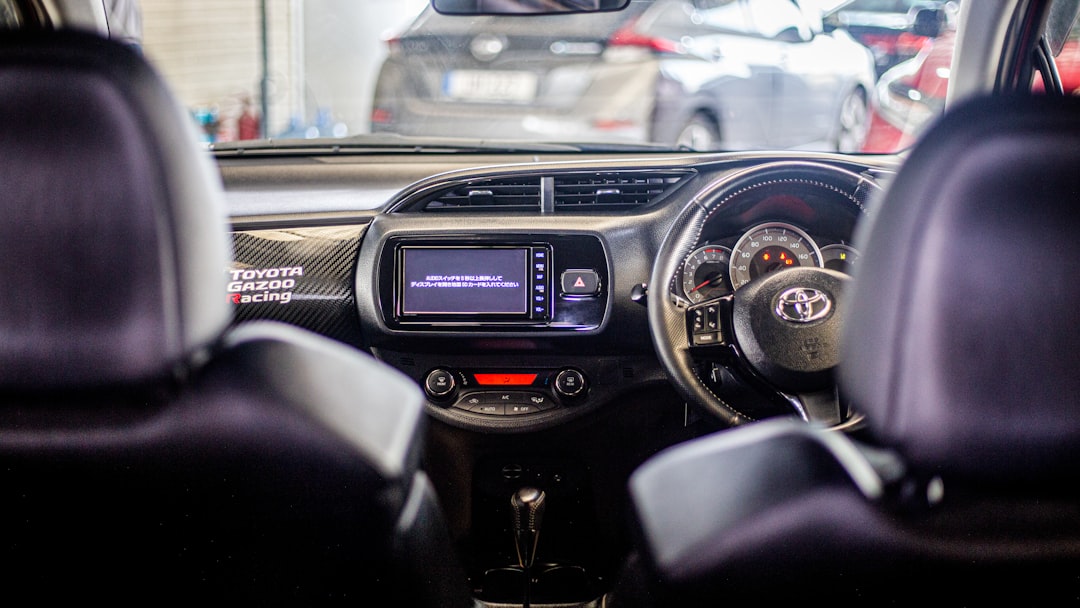
The absence of Google Maps as a native component in the Sienna’s infotainment software is a deliberate choice by Toyota. Several factors contribute to this decision:
- Data Privacy: Toyota maintains strict data privacy policies, which can be more tightly controlled through their in-house system than through a third-party like Google.
- System Customization: By building their own navigation and multimedia systems, Toyota ensures a tailored experience that matches the brand’s ecosystem.
- Licensing and Cost: Incorporating Google apps natively often involves licensing fees and partnerships that may not align with Toyota’s current business strategy.
It is worth noting that some automakers, such as General Motors and Volvo, have begun adopting Android Automotive OS, which features Google Maps as a built-in component. Toyota, however, has not yet transitioned to this model.
User Experience with Google Maps via Smartphone Integration
Many drivers report that the experience of Google Maps using Android Auto or Apple CarPlay in the Toyota Sienna is nearly seamless. The system supports turn-by-turn directions, voice navigation, and even alternate route suggestions.
Advantages include:
- Familiar Interface: Users don’t need to learn a new navigation system.
- Live Updates: Real-time congestion, construction, and accident reports are updated constantly.
- Personalized Experience: Navigation history, saved locations, and search functionality are synced with your Google account.
However, there are minor drawbacks:
- Phone Dependency: If your phone battery dies or loses signal, you’ll lose Google Maps access.
- Limited Control: Some functions are restricted while the car is in motion, in accordance with safety standards.
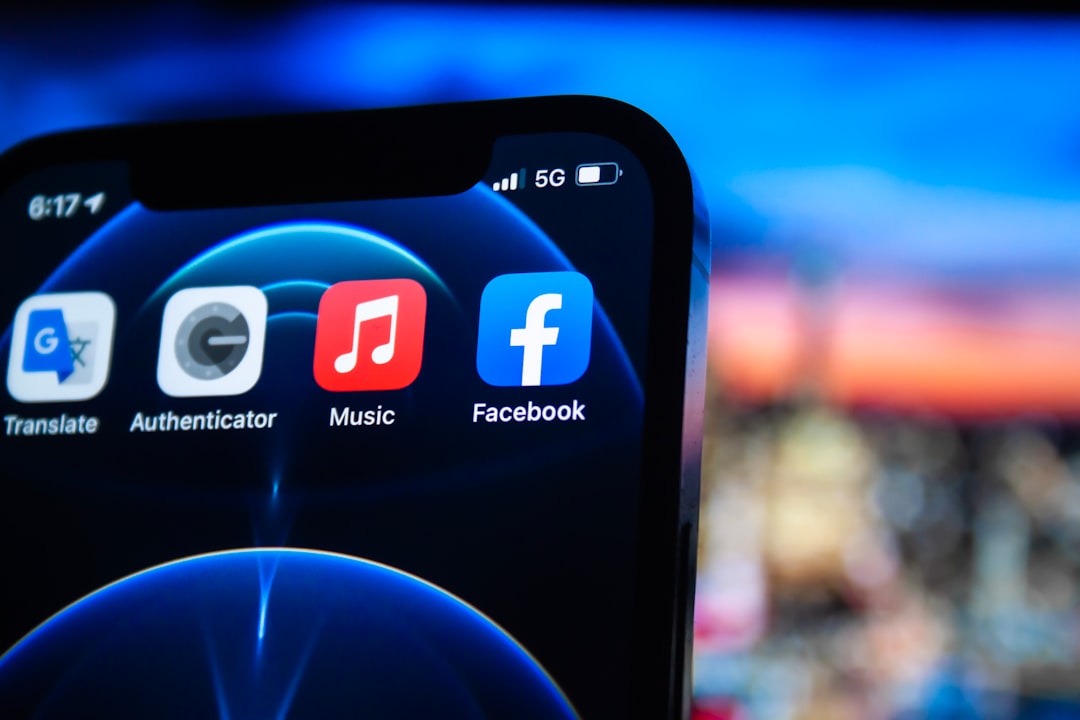
Despite these limitations, the integration remains a strong point for tech-savvy drivers, especially those who may already be invested in the Google ecosystem.
Comparing Toyota’s Built-In Navigation vs. Google Maps
Both navigation options offer essential features, but there are distinct differences between Toyota’s native system and Google Maps:
| Feature | Toyota Navigation | Google Maps via Smartphone |
|---|---|---|
| Real-Time Traffic | Yes | Yes |
| Offline Maps | Yes (pre-installed) | Yes (must be downloaded) |
| Voice Assistant | “Hey Toyota” | “Hey Google” |
| UI Customization | Limited | High |
| Phone Required | No | Yes |
Ultimately, your choice between Toyota’s system and Google Maps depends on personal preferences and driving needs. Frequent travelers who rely on advanced search capabilities and real-time updates may prefer using Google Maps through their phone. Conversely, drivers seeking a minimalist, plug-free setup might opt to use Toyota’s onboard software exclusively.
The Future of Google Maps in Toyota Vehicles
While Toyota has not officially announced any plans to incorporate Google Maps natively into its infotainment systems, the increasing consumer demand for such features may eventually guide the automaker in that direction. Industry insiders speculate that future collaboration is likely as competition grows and more brands adopt full Android Automotive platforms.
It’s worth considering that Toyota and Google already have partnerships in other technology areas, such as connectivity services via the cloud, which could pave the way for further integration. Until then, the 2025 Sienna’s smartphone-based support for Google Maps serves as a highly functional workaround for users who prioritize that mapping experience.
Conclusion
The 2025 Toyota Sienna does not natively include Google Maps in its onboard infotainment system. However, through robust support for Android Auto and Apple CarPlay, drivers can enjoy the full Google Maps experience by connecting their smartphones. With excellent integration and a reliable native alternative, Toyota offers a flexible approach to navigation that caters to a wide array of user preferences. While some competitors are moving toward embedded Google services, Toyota remains committed to user-focused customization, system independence, and security for now.
As advances in automotive software continue to evolve, Toyota may adapt its strategy further in the coming years. For now, though, Sienna owners can confidently rely on smartphone-powered Google Maps for their navigation needs—without compromising on performance or ease of use.