
In the vibrant world of Italian expressions, few phrases capture attention quite like “Ehi, vuoi da bere?” Playful, inviting, and unmistakably melodic, it rolls off the tongue with effortless charm. Though simple in structure, the phrase has evolved into something much larger than its literal meaning. It evokes hospitality, warmth, and a slice of everyday Italian life that has captured the imagination of people far beyond Italy’s borders.
TLDR: “Ehi, vuoi da bere?” literally translates to “Hey, do you want something to drink?” but its cultural influence goes far beyond a simple question. It reflects Italian hospitality, friendliness, and social connection. The phrase became iconic through advertising and pop culture, helping it gain international recognition. Today, it represents a cheerful and welcoming spirit that resonates with people everywhere.
At its core, “Ehi, vuoi da bere?” is a casual way of offering someone a drink. Broken down, “Ehi” means “Hey,” “vuoi” translates to “do you want,” and “da bere” means “something to drink.” The phrasing feels informal, friendly, and immediate. It is not the type of expression used in rigid formal settings; rather, it belongs in lively kitchens, bustling cafés, beach gatherings, and spontaneous meetups among friends.
The Cultural Power Behind a Simple Question
In Italy, offering a drink is rarely just about quenching thirst. It is a ritual of connection. Whether it involves an espresso at a neighborhood bar, a glass of wine at dinner, or a refreshing soda on a sunny afternoon, the act symbolizes inclusion. By asking, “Ehi, vuoi da bere?”, a host is effectively saying, “You are welcome here.”
Italian culture places enormous value on hospitality. Guests are treated with genuine enthusiasm, and even casual visitors are made to feel at home. Offering refreshments is one of the earliest and most natural gestures of this warmth. The phrase embodies that spirit perfectly because of its easygoing, conversational tone.
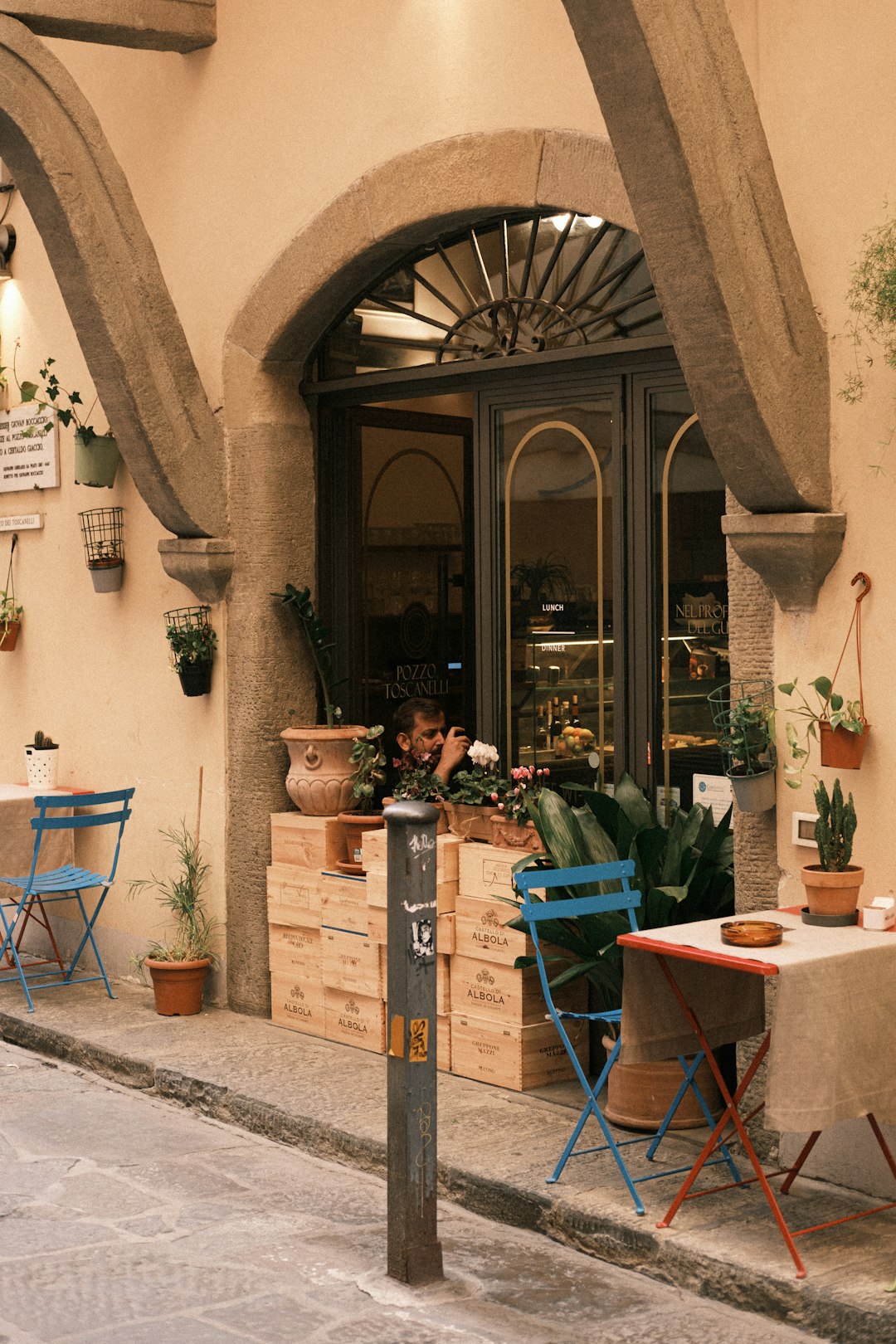
Across piazzas and family kitchens, this question echoes daily. It might be shouted from across a courtyard or whispered as someone opens the refrigerator. What makes it special is not the grammar, but the emotion that accompanies it. The voice typically rises with curiosity and friendliness, creating an atmosphere of effortless generosity.
The Phrase That Became Iconic
The widespread fame of “Ehi, vuoi da bere?” can also be traced to advertising campaigns that propelled it into pop culture history. A particularly memorable commercial in Italy used the phrase as a catchy hook, embedding it in the minds of viewers across generations. Its rhythmic sound and upbeat delivery made it instantly memorable.
Over time, the expression transcended its commercial origins. People began quoting it jokingly among friends or referencing it nostalgically. What started as a marketing line evolved into a cultural shorthand for casual fun and lighthearted connection.
Advertising often has the power to elevate everyday words into national catchphrases. In this case, the phrase resonated because it was already deeply embedded in Italian social habits. The commercial merely amplified what was authentic and familiar.
Why It Sounds So Appealing
Part of the charm lies in the sound of the words themselves. Italian is widely regarded as one of the most musical languages in the world. The open vowels and rhythmic flow of “Ehi, vuoi da bere?” contribute to its lively tone. Even non-Italian speakers find it pleasing to pronounce.
Several linguistic elements enhance its appeal:
- Open vowel endings that give the phrase musicality.
- Balanced rhythm between short and longer sounds.
- Conversational tone that feels natural and unforced.
- Expressive intonation that can shift depending on mood.
Unlike many formal expressions, it does not feel heavy or structured. It is flexible and adaptable, equally suitable for a beach party or a relaxed Sunday lunch.
Hospitality as Identity
Italy’s global reputation for warmth is closely tied to food and drink. Meals are social events, coffee breaks are sacred pauses, and aperitivo hour turns cities into hubs of laughter and clinking glasses. A phrase like “Ehi, vuoi da bere?” encapsulates that lifestyle.
Offering a drink represents:
- Inclusion in a social circle
- Respect for a guest’s comfort
- A desire to slow down and enjoy the moment
- The beginning of conversation
It is often during these simple drink offers that meaningful discussions unfold. Business ideas emerge over espresso. Friendships strengthen over wine. Family stories flow alongside freshly poured lemonade.

The phrase symbolizes more than refreshment; it reflects a philosophy that values presence and togetherness.
The Global Spread of an Italian Expression
With globalization and the widespread popularity of Italian cuisine and culture, countless Italian words and expressions have entered everyday language across the globe. From “ciao” to “espresso,” these linguistic exports carry cultural meaning with them. “Ehi, vuoi da bere?” joins this family of recognizable phrases.
Tourists visiting Italy often encounter it in cafés or beach bars. Language learners practice it as part of conversational lessons. Social media has further propelled its reach, with clips, memes, and references circulating widely.
Part of its adaptability comes from how easily it can be playfully quoted. Even outside Italy, someone might jokingly say it at a party to add flair and humor to an offer of drinks.
Modern Interpretations and Humor
In contemporary usage, the phrase sometimes carries a nostalgic or humorous tone. People in Italy may reference it ironically, especially those who remember its pop culture peak. The humor lies in its familiarity; almost everyone recognizes it instantly.
At themed events or Italian-inspired gatherings, hosts may deliberately use the phrase to create ambiance. Its usage becomes both literal and symbolic—a celebration of carefree sociability.
Importantly, its tone remains light. It does not carry political, controversial, or divisive undertones. Instead, it maintains a universally positive association tied to enjoyment and generosity.
The Emotional Resonance
Language shapes emotion, and “Ehi, vuoi da bere?” is emotionally charged in subtle ways. It signals attentiveness. The speaker notices the other person and anticipates their needs. Even as a simple question, it suggests care.
Moments framed by this phrase might include:
- A parent offering juice after school
- A friend handing over a cold drink on a hot day
- A host greeting guests at the door
- A bartender welcoming regular customers
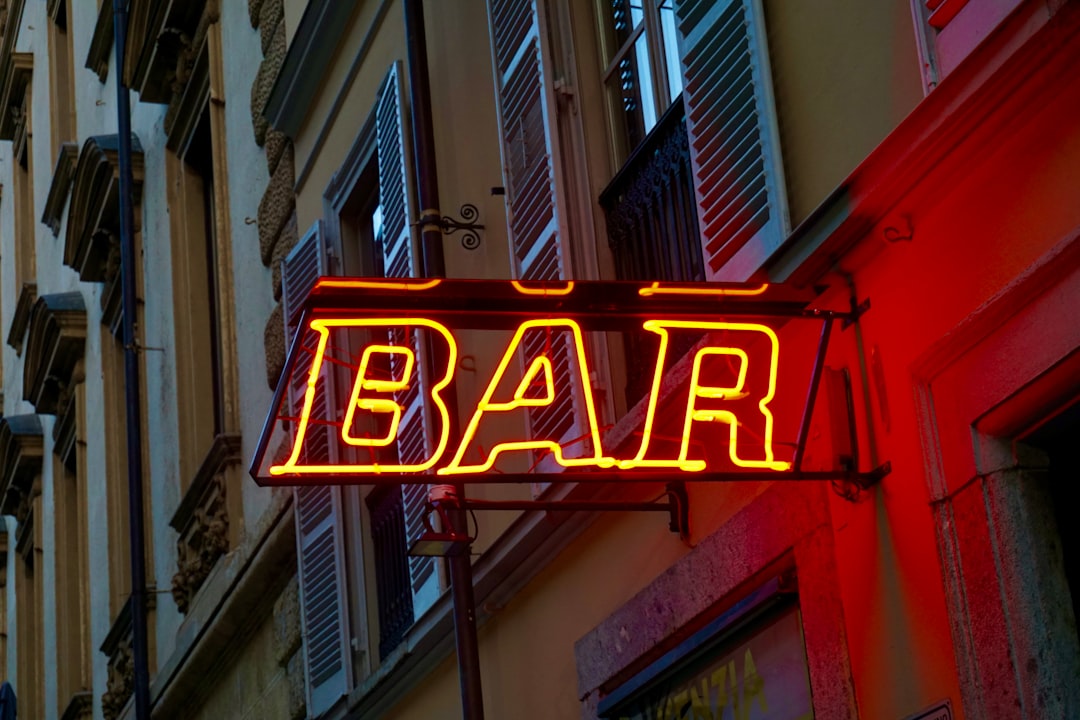
These scenarios share an undercurrent of approachability. The phrase lowers social barriers and opens space for interaction.
Learning and Using the Phrase
For those studying Italian, “Ehi, vuoi da bere?” provides a practical conversational tool. It introduces learners to:
- The verb volere (to want)
- Informal second-person conjugation (vuoi)
- Common expressions tied to daily life
However, learners should note that it is distinctly informal. In formal settings, alternatives like “Desidera qualcosa da bere?” would be more appropriate. Context matters greatly in Italian communication, as tone and social setting guide word choice.
Still, mastering informal expressions often helps language learners sound more natural and confident. Using such phrases appropriately demonstrates cultural awareness as much as linguistic skill.
Why Everyone Loves It
The enduring appeal of “Ehi, vuoi da bere?” lies in its simplicity. It does not attempt to impress through complexity. Instead, it mirrors everyday generosity in its purest form. It speaks to universal experiences: offering, sharing, welcoming.
In a world where communication is increasingly digital and fast-paced, expressions that highlight face-to-face connection feel refreshing. This phrase gently reminds people of the joy found in small gestures.
Ultimately, the question it asks is straightforward. Yet the meaning behind it can be profound. Sometimes, friendship begins with nothing more elaborate than offering someone a drink.
Frequently Asked Questions (FAQ)
1. What does “Ehi, vuoi da bere?” literally mean?
It literally translates to “Hey, do you want something to drink?” It is an informal and friendly expression used in casual situations.
2. Is the phrase formal or informal?
The phrase is informal. It is typically used among friends, family members, or in relaxed social settings rather than professional or formal contexts.
3. Why did the phrase become so popular?
It gained widespread recognition through memorable advertising and its natural fit within Italian culture, making it instantly catchy and relatable.
4. Can non-Italian speakers use it?
Yes, and many do, often playfully. However, pronunciation and context should be considered to ensure it matches the tone of the situation.
5. Is it still commonly used in Italy today?
Yes, though sometimes with nostalgic or humorous undertones. Its cultural footprint remains strong and widely recognized.
6. What is the formal alternative?
A more formal equivalent would be “Desidera qualcosa da bere?” which is appropriate when addressing someone respectfully or in professional settings.
In the end, “Ehi, vuoi da bere?” stands as more than a casual invitation. It embodies an enduring spirit of openness that continues to charm listeners both within Italy and far beyond its borders.