
Unexpected equipment failure is one of the fastest ways to bring productivity to a halt. In industrial plants, commercial buildings, data centers, and even hospitals, electrical systems form the backbone of daily operations. When a critical component fails, the ripple effects can include lost revenue, safety risks, damaged reputation, and expensive emergency repairs. The good news? Most electrical failures are not random—they are preventable with thorough and consistent testing.
TLDR: Proper electrical equipment testing identifies hidden faults before they become catastrophic failures. By using techniques such as insulation resistance testing, thermal imaging, and circuit analysis, businesses can dramatically reduce unplanned downtime and repair costs. Preventive testing improves safety, extends equipment lifespan, and ensures regulatory compliance. In short, investing in testing today prevents costly disruptions tomorrow.
Electrical systems are subject to constant stress: fluctuating loads, environmental conditions, aging insulation, dust accumulation, vibration, and human error. Without regular inspection and testing, small issues silently develop into critical problems. Understanding how and why testing prevents downtime is essential for any organization that depends on reliable power.
Why Downtime Is So Expensive
Downtime is about far more than turning the lights off. Depending on the industry, even a few minutes of disruption can have major consequences. In manufacturing, halted production lines can mean thousands of dollars lost per hour. In healthcare, equipment failure can jeopardize patient safety. In data centers, outages can compromise data integrity and customer trust.
The true cost of downtime often includes:
- Lost production and revenue
- Emergency repair premiums
- Replacement of damaged equipment
- Safety incidents and liability exposure
- Reputational harm
Many of these outcomes stem from issues that could have been detected early. Proper electrical testing shifts the strategy from reactive repairs to proactive prevention.
How Electrical Failures Develop
Electrical failures rarely happen instantly. They evolve over time due to:
- Insulation degradation
- Loose connections
- Overloaded circuits
- Moisture ingress
- Thermal stress
A loose terminal connection, for example, increases resistance. Increased resistance generates heat. Over time, that heat degrades insulation and surrounding components. Eventually, the connection fails completely—sometimes dramatically. Regular testing identifies these warning signs long before visible failure occurs.
Key Types of Electrical Equipment Testing
Different testing methods target different types of faults. A comprehensive testing program typically combines several approaches to build a complete picture of system health.
1. Insulation Resistance Testing
Insulation is critical to preventing short circuits and leakage currents. Over time, insulation materials deteriorate due to heat, moisture, and contamination. Insulation resistance testing applies a controlled DC voltage to measure how well insulation resists current flow.
Why it prevents downtime:
- Detects weakening insulation before breakdown occurs
- Identifies moisture contamination
- Prevents unexpected short circuits
2. Thermal Imaging
Infrared thermography allows technicians to visualize heat patterns within electrical systems. Overheating components are often early indicators of trouble.
Common issues revealed by thermal imaging:
- Loose or corroded connections
- Overloaded circuits
- Unbalanced loads
- Failing breakers
Because thermal imaging can be performed while systems remain energized, it minimizes operational interruptions while identifying high-risk components.
3. Circuit Breaker Testing
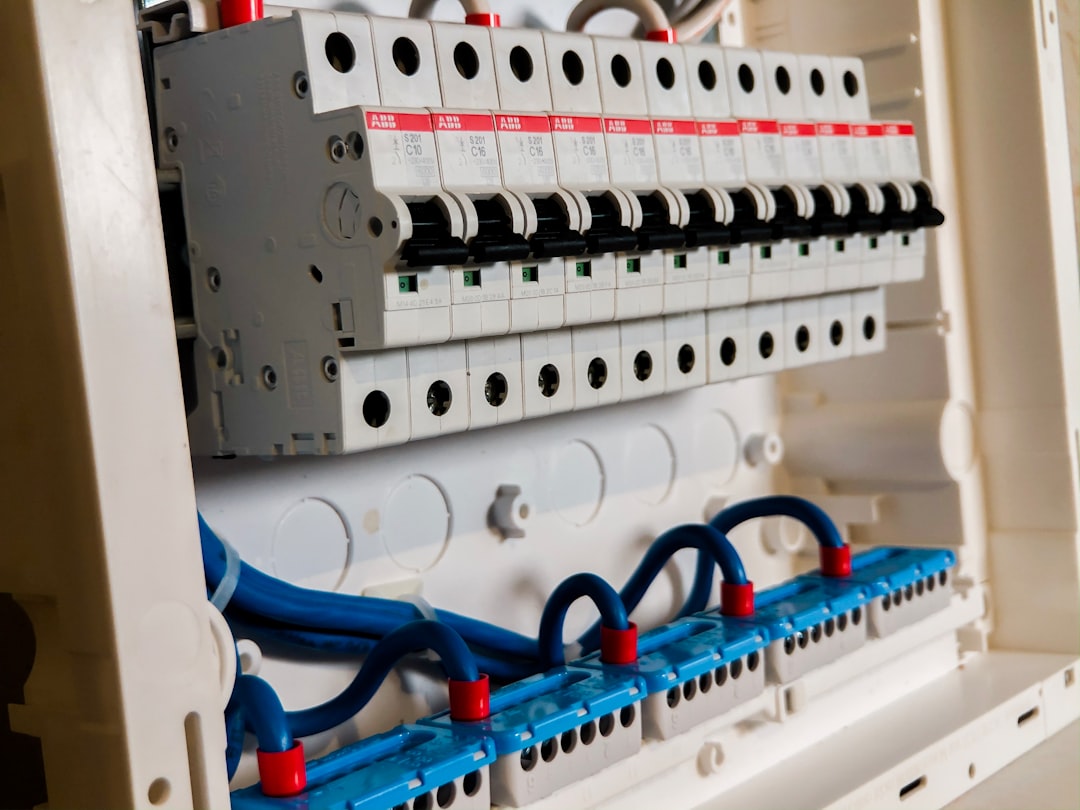
Circuit breakers are designed to trip under fault conditions, but they are mechanical devices subject to wear. If a breaker fails to trip during an overload, the consequences can include equipment damage or fire.
Routine breaker testing ensures:
- Proper trip timing
- Correct current thresholds
- Reliable operation during faults
4. Power Quality Analysis
Power disturbances such as voltage sags, harmonics, and transients can gradually damage sensitive equipment. Power quality analyzers monitor and record these irregularities.
By addressing power quality issues, businesses can:
- Reduce premature equipment wear
- Improve energy efficiency
- Minimize unexplained shutdowns
5. Grounding System Testing
A reliable grounding system protects both equipment and personnel. Poor grounding can increase shock hazards and allow voltage instability.
Regular testing verifies:
- Low ground resistance
- Proper bonding of components
- Compliance with safety standards
The Preventive Maintenance Advantage
Preventive maintenance schedules incorporate electrical testing at regular intervals—annually, semi-annually, or quarterly depending on operational demands. The goal is simple: identify degradation trends before failure occurs.
This proactive approach yields several benefits:
- Predictable maintenance costs rather than emergency expenses
- Planned shutdowns instead of unexpected outages
- Extended equipment lifespan
- Improved safety compliance
When testing data is tracked over time, patterns emerge. An upward trend in operating temperature or a gradual drop in insulation resistance signals that corrective action is needed. Instead of waiting for failure, maintenance teams can replace or repair components during scheduled service windows.
Real-World Impact: Small Fault, Big Consequences
Consider a manufacturing facility operating multiple high-capacity motors. A minor imbalance in one motor’s wiring causes subtle overheating. Without testing, the condition persists unnoticed. Eventually, insulation fails, the motor shorts out, and production stops. The repair requires not only motor replacement but also cleanup, diagnostics, and recalibration—costing tens of thousands of dollars.
Now imagine the same scenario with routine thermal imaging and insulation testing. The overheating trend is detected early. The motor is shut down during a planned maintenance window, repairs are made quickly, and production continues with minimal disruption.
The difference between these two outcomes is not luck—it is testing.
Reducing Secondary Damage
One often overlooked benefit of proper testing is the prevention of cascading failures. Electrical systems are interconnected. A single failing component can place stress on others, triggering a chain reaction.
For example:
- A failing transformer may increase load on backup systems.
- A poor ground connection can damage sensitive electronics.
- An overheating breaker can compromise an entire distribution panel.
By isolating and correcting issues early, testing stops small defects from spreading throughout the system.
Enhancing Workplace Safety
Electrical failures are not just costly—they are dangerous. Arc flashes, electrical fires, and equipment explosions often stem from undetected faults. Regular equipment testing reduces these risks significantly.
Safety benefits include:
- Reduced likelihood of arc flash incidents
- Lower fire risk
- Improved regulatory compliance
- Safer working conditions for maintenance staff
Insurance providers and regulatory bodies also recognize the value of systematic testing. Demonstrating a documented maintenance program can reduce liability exposure and support compliance audits.
Extending Equipment Lifespan
Electrical infrastructure represents a substantial capital investment. Switchgear, transformers, control panels, and generators are expensive assets expected to last decades. However, without testing, hidden stressors can dramatically shorten their usable life.
Routine testing helps by:
- Maintaining optimal operating conditions
- Reducing excess heat and stress
- Allowing timely component replacement
This strategy maximizes return on investment and delays costly system overhauls.
Data-Driven Maintenance Decisions
Modern testing technologies generate detailed diagnostic data. Instead of relying on guesswork, maintenance teams can make evidence-based decisions.
Data-driven strategies allow organizations to:
- Move from time-based to condition-based maintenance
- Prioritize high-risk equipment
- Allocate budgets more effectively
Over time, this analytical approach creates a more resilient electrical infrastructure and reduces surprise failures.
Building an Effective Testing Program
An effective testing program is not a one-time event—it is an ongoing process. To maximize results, organizations should:
- Conduct a risk assessment to identify critical systems.
- Establish testing intervals based on manufacturer recommendations and operational demands.
- Document and trend results for long-term analysis.
- Train qualified personnel or partner with certified testing professionals.
- Take corrective action promptly when issues are detected.
Consistency is crucial. Sporadic testing provides only snapshots in time, while a structured program reveals meaningful performance trends.
The Bottom Line: Prevention Pays Off
At first glance, electrical equipment testing may appear to be an added operational expense. In reality, it is an investment in continuity, safety, and financial stability. The cost of routine inspections and diagnostics is typically a fraction of what unplanned downtime can demand.
Proper testing transforms uncertainty into control. Instead of reacting to emergencies, organizations can anticipate and prevent them. Instead of absorbing unexpected repair bills, they can allocate maintenance budgets strategically. And instead of risking safety incidents, they can create a more secure working environment.
In today’s power-dependent world, reliable electrical systems are not optional—they are mission-critical. By committing to systematic equipment testing, businesses safeguard their operations, protect their people, and ensure that productivity continues uninterrupted. The question is not whether you can afford to test your electrical equipment. The real question is: can you afford not to?