
In recent years, text-to-speech (TTS) technology has evolved from robotic, monotone narration into a powerful tool capable of delivering studio-quality voiceovers. Businesses, content creators, educators, and media professionals now rely on advanced AI voices to produce podcasts, training modules, audiobooks, commercials, and explainer videos at scale. What once required expensive recording studios and professional voice actors can now be achieved with sophisticated software that replicates human tone, emotion, and pacing with impressive realism.
TLDR: Modern text-to-speech tools now deliver highly realistic, emotionally expressive voiceovers suitable for professional use. Platforms like Murf AI, ElevenLabs, Play.ht, WellSaid Labs, and Amazon Polly offer diverse voice libraries, multilingual support, and advanced customization. Choosing the right tool depends on your needs—whether it’s marketing, e-learning, audiobooks, or enterprise integration. Today’s AI voices can rival traditional voiceover recordings in both speed and quality.
Why Text-to-Speech Is Now a Professional Standard
Early TTS systems were inflexible and mechanical. Today’s AI-driven platforms use deep learning models trained on massive voice datasets to replicate natural inflection, emotional cues, and conversational rhythms. This transformation has made TTS suitable for:
- Corporate training videos
- Marketing and advertising campaigns
- E-learning courses
- Audiobooks and storytelling
- YouTube and podcast narration
- Customer service automation
Professional TTS solutions now offer advanced features such as:
- Voice cloning and custom voice creation
- Emotion and tone control
- Pausing and emphasis adjustments
- Multi-language and multi-accent options
- API access for automation
These capabilities allow creators to produce polished voiceovers quickly without sacrificing quality.

Top Proven Text-to-Speech Tools for Professional Voiceovers
Let’s explore some of the most reliable and widely used TTS platforms trusted by professionals.
1. Murf AI
Best for marketing and corporate content.
Murf AI has gained popularity for its clean interface and highly expressive voice options. It offers over 120 voices across multiple languages and accents. Users can adjust tone, pitch, speed, and emphasis, making it ideal for brand storytelling and promotional content.
Key strengths:
- Emotionally varied voices
- Built-in video and slide synchronization
- User-friendly editing dashboard
- Commercial usage rights
2. ElevenLabs
Best for ultra-realistic AI narration and voice cloning.
ElevenLabs is widely regarded as one of the most advanced AI voice platforms available. Its neural voice engine produces exceptionally realistic speech, often indistinguishable from a human narrator. The platform is particularly strong in long-form narration such as audiobooks.
Key strengths:
- Highly natural voice output
- Advanced voice cloning features
- Emotional nuance control
- Multilingual capabilities
For authors and publishers looking to convert books into audiobooks efficiently, ElevenLabs stands out.
3. Play.ht
Best for podcasting and content creators.
Play.ht offers a vast library of AI voices and supports integration with blogging platforms. Its realistic narration styles make it a favorite among podcasters and digital publishers who want to convert written content into audio.
Key strengths:
- Large voice catalog
- WordPress integration
- Downloadable audio formats
- Commercial licenses available
4. WellSaid Labs
Best for enterprise and training content.
WellSaid Labs focuses on studio-quality AI voices suitable for high-end corporate and instructional materials. The voices are polished, professional, and consistent—ideal for e-learning modules and internal communications.
Key strengths:
- Premium, studio-level quality
- Team collaboration tools
- Consistent voice branding
- Strong data security standards
5. Amazon Polly
Best for developers and scalable applications.
Amazon Polly is a cloud-based TTS service integrated within AWS. While it may require technical knowledge to use effectively, it provides robust scalability and neural TTS voices.
Key strengths:
- Seamless AWS integration
- Scalable API access
- Neural voice options
- Pay-as-you-go pricing

Comparison Chart: Leading Professional TTS Tools
| Tool | Best For | Voice Realism | Voice Cloning | Languages | Ease of Use |
|---|---|---|---|---|---|
| Murf AI | Marketing & Business | High | Limited | 20+ | Very Easy |
| ElevenLabs | Audiobooks & Media | Very High | Advanced | 20+ | Easy |
| Play.ht | Bloggers & Podcasts | High | Available | 50+ | Very Easy |
| WellSaid Labs | Enterprise Training | Very High | Limited | Primarily English | Easy |
| Amazon Polly | Developers & Apps | High | No | 30+ | Moderate |
What to Look for in a Professional TTS Tool
Choosing the right platform depends on your project goals and technical requirements. Consider the following factors:
1. Voice Naturalness
The most important metric is realism. Listen carefully to breathing patterns, pacing, and emotional variation.
2. Customization Options
Professional projects often require:
- Adjustable speech rate
- Custom pauses
- Pronunciation control
- Emotion settings
3. Licensing and Commercial Rights
Ensure your chosen tool includes appropriate commercial usage rights, especially for advertisements and monetized content.
4. Scalability
If producing high volumes of content, API access and bulk processing are critical.
5. Language and Accent Range
For global brands, multi-language support is essential to localize voiceovers effectively.
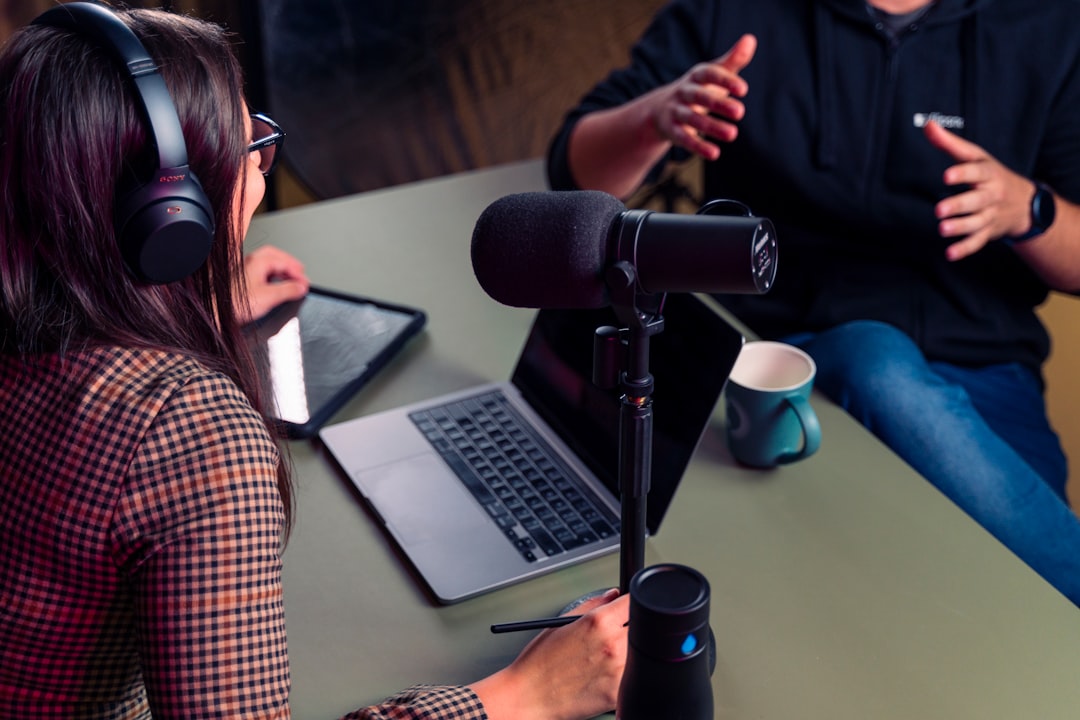
Advantages of AI Voiceovers Over Traditional Recording
While human voice actors remain invaluable, AI-powered TTS delivers distinct advantages:
- Speed: Generate voiceovers instantly without scheduling talent.
- Cost Efficiency: Reduce studio and talent expenses.
- Consistency: Maintain the same voice across large projects.
- Scalability: Produce hundreds of audio files in minutes.
- Global Reach: Instantly generate multiple language versions.
For startups, online educators, and fast-growing brands, these benefits can dramatically accelerate content production cycles.
Best Use Cases by Industry
Different industries are leveraging TTS in innovative ways:
- E-learning: Interactive lessons with consistent narration.
- Healthcare: Instructional and informational audio guides.
- Marketing: Personalized ad campaigns.
- Publishing: Rapid audiobook conversion.
- Software: In-app voice assistants and onboarding guides.
As AI voice models become more emotionally intelligent, their applications continue to expand.
Are AI Voiceovers Replacing Human Narrators?
Not entirely. For cinematic productions, character-driven storytelling, and highly emotional performances, human voice actors still offer unmatched subtlety. However, for commercial, instructional, or large-scale digital content, AI voiceovers provide a highly competitive alternative.
Instead of replacement, we are seeing a shift toward hybrid workflows, where AI generates drafts or supplementary materials, and human professionals refine high-profile productions.
The Future of Professional Text-to-Speech
AI voice generation continues to improve at a rapid pace. Emerging innovations include:
- Real-time emotion switching
- Voice style transfer
- Hyper-personalized synthetic voices
- Real-time dubbing across languages
As neural speech synthesis becomes even more sophisticated, the line between artificial and human voice performance will continue to blur.
Final Thoughts
Proven text-to-speech tools have become essential assets for professionals seeking efficient, scalable, and high-quality voiceover solutions. Platforms like Murf AI, ElevenLabs, Play.ht, WellSaid Labs, and Amazon Polly demonstrate how advanced AI can deliver natural, engaging speech suitable for commercial and creative projects alike.
Whether you’re producing a global marketing campaign, launching an audiobook, or building enterprise training materials, today’s TTS platforms offer unprecedented flexibility and realism. Choosing the right tool ultimately comes down to your project goals, budget, and desired level of customization—but one thing is clear: professional voiceovers are no longer limited to the recording studio.