
Businesses investing in Google Ads often focus heavily on keywords, bidding strategy, and ad copy, yet overlook one critical factor: where the ad actually sends users. The destination URL can dramatically influence conversion rates, cost per acquisition, and overall return on ad spend. A common question marketing teams ask is whether ads should link to a dedicated landing page or simply direct traffic to an existing website page.
TL;DR: Linking Google Ads to a dedicated landing page typically results in significantly higher click-through and conversion rates than sending traffic to a generic homepage. Dedicated pages align tightly with ad messaging, reduce distractions, and guide users toward a single action. When optimized correctly, they can improve CTR and conversions by up to 40%. The key lies in message match, streamlined design, persuasive elements, and ongoing testing.
While every business is different, performance data across industries consistently shows that specialized landing pages outperform general website pages. Understanding why—and how to optimize them—can make the difference between a campaign that merely brings traffic and one that drives measurable revenue.
Why Destination Pages Matter in Google Ads Performance
Google Ads is built on relevance. Google evaluates ad quality based on expected click-through rate, ad relevance, and landing page experience. When users click an ad and land on a page that directly reflects what they searched for, they are far more likely to stay engaged.
A homepage, by design, serves many audiences. It contains multiple navigation paths, external links, and varied messaging meant to serve different buyer personas. This breadth can dilute focus and confuse users who clicked with a specific intent.
In contrast, a dedicated landing page is built around a single campaign objective. It removes distractions, speaks directly to search intent, and funnels visitors toward one clear call to action.
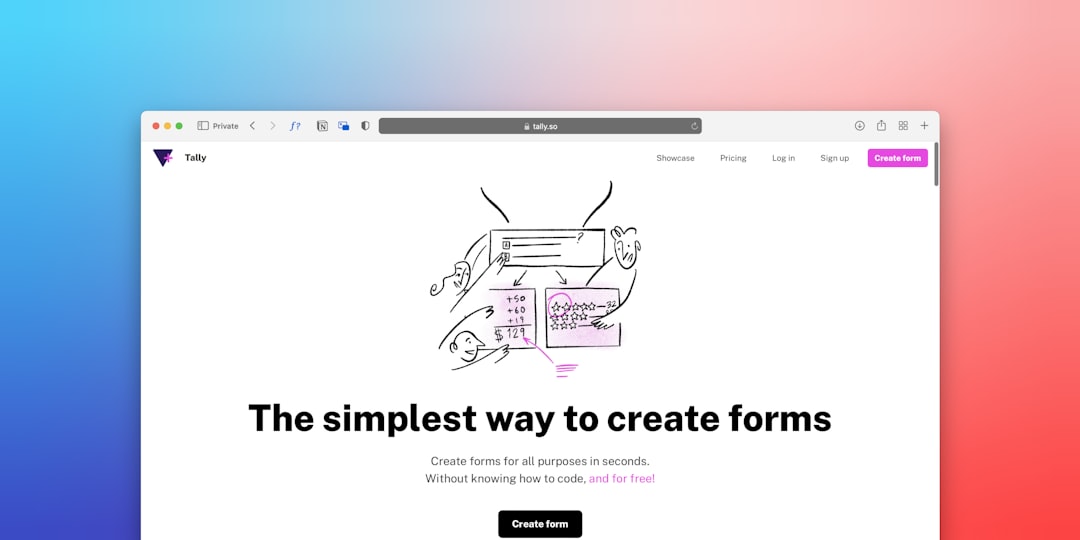
The Case for Dedicated Landing Pages
A dedicated landing page provides:
- Message consistency between ad copy and on-page content
- Higher conversion focus with one primary objective
- Improved Quality Score due to relevance and usability
- Better tracking and campaign-specific performance insights
When users experience friction—such as having to navigate through menus to find what was promised in an ad—they are more likely to bounce. Reducing friction directly correlates with increased conversion rates and improved ROI.
Studies in paid search campaigns frequently show performance lifts between 20% and 40% when advertisers switch from homepage traffic to purpose-built landing pages.
5 Best Practices That Improve CTR by 40%
1. Maintain Perfect Message Match
Message match refers to the alignment between the Google Ad headline, keywords, and landing page content. If the ad promises “20% Off CRM Software for Small Businesses,” the landing page must immediately reinforce that exact offer.
Effective message matching involves:
- Repeating the core keyword in the landing page headline
- Using similar phrasing to maintain continuity
- Featuring the advertised offer above the fold
- Eliminating unrelated messaging
This alignment reassures visitors they are in the right place. It also improves Quality Score, which can reduce cost per click while increasing ad position.
2. Remove Navigation Distractions
One of the most common mistakes businesses make is including full website navigation on a landing page. While navigation menus are essential for websites, they reduce conversion-focused performance on ad destinations.
A dedicated landing page should guide users toward one primary goal—whether that is filling out a form, scheduling a call, or making a purchase.
Consider removing:
- Top navigation menus
- Footer links unrelated to the offer
- Sidebars with secondary promotions

By limiting exit points, businesses keep users focused on the intended action, often increasing both CTR and post-click conversions.
3. Optimize for Speed and Mobile Experience
Google prioritizes mobile performance. A landing page that loads slowly or displays poorly on smartphones will suffer from higher bounce rates and lower Quality Scores.
Best practices include:
- Page load times under three seconds
- Responsive design across devices
- Clear and thumb-friendly CTA buttons
- Minimal form fields
Mobile users typically demonstrate high intent but limited patience. Simplifying the experience can dramatically improve engagement.
4. Use Clear, Compelling Calls to Action
A strong call to action (CTA) bridges interest and conversion. Instead of vague phrasing like “Submit” or “Learn More,” high-performing landing pages use action-driven language such as:
- Start Your Free Trial Today
- Get My Custom Quote
- Book Your Free Consultation
CTAs should be:
- Positioned above the fold
- Repeated strategically throughout the page
- Visually distinct from other elements
- Supported by benefit-oriented copy
When users clearly understand what happens next and what value they receive, they are more likely to take action.
5. Incorporate Trust Signals and Social Proof
Visitors coming from Google Ads may have never interacted with the brand before. Without trust indicators, they may hesitate to engage.
Effective trust signals include:
- Customer testimonials
- Star ratings and reviews
- Security badges
- Client logos
- Money-back guarantees

Social proof reduces uncertainty and reinforces credibility. When integrated thoughtfully, it can significantly improve conversion rates.
When Might Sending Traffic to a Website Page Be Acceptable?
Although dedicated landing pages are generally preferable, there are limited scenarios where linking to a core website page may work:
- Highly targeted product detail pages in ecommerce
- Branded search campaigns where users expect the homepage
- Low-budget campaigns with limited customization resources
However, even in ecommerce settings, optimized campaign-specific pages tend to outperform general category pages when tightly aligned to keywords and user intent.
How Dedicated Landing Pages Improve Quality Score
Quality Score influences both ad rank and cost per click. A high-performing landing page improves:
- Relevance to keywords
- Expected CTR through consistent messaging
- User experience via clarity and usability
Better Quality Scores often lead to:
- Lower advertising costs
- Higher ad positions
- More impressions at the same budget
This compounding effect explains why businesses optimizing landing pages often see dramatic improvements in campaign performance within months.
Measuring the 40% Improvement
The reported 40% lift in CTR and conversions is not automatic. It results from disciplined implementation and testing. Marketers should consistently run A/B tests on:
- Headlines
- CTA wording
- Form length
- Hero images
- Offer presentation
Small improvements compound over time. A headline adjustment that increases CTR by 10% combined with a shorter form that boosts conversion by 15% can rapidly produce significant overall gains.
Data-driven iteration transforms landing pages from static assets into dynamic performance drivers.
Final Verdict
Should Google Ads link to a dedicated landing page? In most cases, yes. Dedicated landing pages provide superior alignment, improved user experience, and measurable performance benefits.
While sending ad traffic to a homepage may seem easier, it often wastes valuable paid clicks by failing to meet user expectations. A carefully designed landing page, however, leverages relevance, clarity, and persuasion to convert interest into action.
For businesses serious about maximizing advertising ROI, dedicated landing pages are not optional—they are strategic essentials.
Frequently Asked Questions (FAQ)
1. Do dedicated landing pages always outperform homepages?
In most paid advertising scenarios, yes. Dedicated landing pages are optimized for a single objective and reduce distractions, resulting in higher conversion rates compared to homepages.
2. Will creating landing pages increase advertising costs?
While initial design and setup require investment, optimized landing pages often reduce cost per acquisition and improve Quality Score, leading to lower long-term advertising costs.
3. How many landing pages should a campaign have?
Ideally, each major keyword group or offer should have its own dedicated landing page to maximize message match and relevance.
4. Should landing pages include full website navigation?
Generally, no. Removing navigation minimizes distractions and directs users toward the primary conversion goal.
5. How quickly can improvements be seen after launching a dedicated landing page?
Performance improvements may appear within weeks, especially when paired with ongoing A/B testing and data analysis. Significant gains are often visible within one to three months.
6. What is the biggest mistake businesses make with Google Ads landing pages?
The most common mistake is poor alignment between the ad message and landing page content, which creates confusion and leads to higher bounce rates.
7. Is it necessary to test landing pages regularly?
Yes. Continuous testing ensures the page adapts to user behavior, market trends, and competitive changes, sustaining performance improvements over time.