
Construction projects are complex undertakings that require careful coordination of design, financing, engineering, and regulatory compliance. Among these, the permitting process is often the most unpredictable and time-consuming component. Delays in obtaining permits can disrupt schedules, inflate budgets, and strain relationships between developers, contractors, and authorities. Streamlining permit processes is therefore not merely an administrative improvement—it is a strategic necessity for ensuring efficient, compliant, and successful project delivery.
TLDR: Streamlining construction permit processes reduces delays, lowers costs, and improves regulatory compliance. By adopting digital tools, enhancing collaboration with authorities, standardizing documentation, and planning proactively, project teams can significantly shorten approval timelines. A structured, transparent approach benefits both developers and regulatory agencies while maintaining safety and quality standards. Efficient permitting is a foundational element of modern construction management.
The Importance of Efficient Permit Processes
Permits exist to safeguard public safety, environmental sustainability, and structural integrity. Zoning approvals, environmental clearances, building permits, and occupancy certificates ensure that projects meet established codes and regulations. However, when permitting systems are fragmented or outdated, they create bottlenecks that delay progress.
Delays in permit approvals can result in:
- Increased carrying costs due to extended financing periods
- Idle labor and equipment waiting for authorization to proceed
- Contractual disputes stemming from missed milestones
- Lost revenue opportunities from postponed project completion
Streamlined processes align regulatory oversight with project timelines, ensuring that compliance enhances rather than hinders development.
Common Challenges in Construction Permitting
Before implementing reforms, it is essential to understand the recurring challenges within traditional permit systems:
- Fragmented communication between agencies and applicants
- Paper-based submissions prone to loss or processing delays
- Unclear documentation requirements
- Inconsistent review standards across departments
- Limited transparency regarding application status

These inefficiencies can create confusion, duplicate efforts, and frequent resubmissions. Addressing them requires both procedural modernization and cultural change within organizations.
Digital Transformation as a Cornerstone
The adoption of digital permitting platforms is one of the most effective ways to streamline processes. Online portals centralize submissions, automate tracking, and enable real-time communication between applicants and reviewing authorities.
Key benefits of digital systems include:
- Electronic document submission and validation
- Automated notifications for missing items or status updates
- Integrated payment systems for fees
- Data analytics for tracking performance metrics
By eliminating manual handling and redundant data entry, digital platforms can significantly reduce review times. Moreover, they improve transparency, allowing project managers to anticipate approval milestones more accurately.
Early Engagement with Regulatory Authorities
Streamlining begins long before paperwork is submitted. Early engagement with permitting authorities helps identify potential issues at the conceptual stage. Pre-application meetings allow developers, engineers, and regulators to align expectations and clarify technical requirements.
Effective early engagement includes:
- Presenting preliminary site plans and design concepts
- Discussing zoning restrictions and environmental considerations
- Identifying required studies, such as traffic or environmental impact assessments
- Establishing realistic review timelines
This proactive approach reduces the likelihood of major design revisions after submission, thereby accelerating approvals.
Standardization of Documentation
Incomplete or inconsistent documentation is a frequent cause of delays. Standardizing submission requirements improves clarity for applicants and expedites reviews for authorities.
Best practices include:
- Checklists outlining all required forms and technical documents
- Template formats for drawings and reports
- Clear naming conventions for digital files
- Guidelines specifying code references and calculation methods
When documentation standards are consistent, reviewers can evaluate applications efficiently without requesting supplemental information. This predictability benefits both sides of the permitting process.
Interdepartmental Coordination
Large construction projects typically require approvals from multiple departments, including planning, fire safety, environmental protection, and public works. Lack of coordination among these bodies often leads to conflicting requests or sequential reviews that prolong timelines.
To streamline coordination:
- Implement parallel review processes instead of sequential approvals
- Establish interagency communication protocols
- Designate a lead coordinator for complex projects
- Create shared digital dashboards accessible to all departments
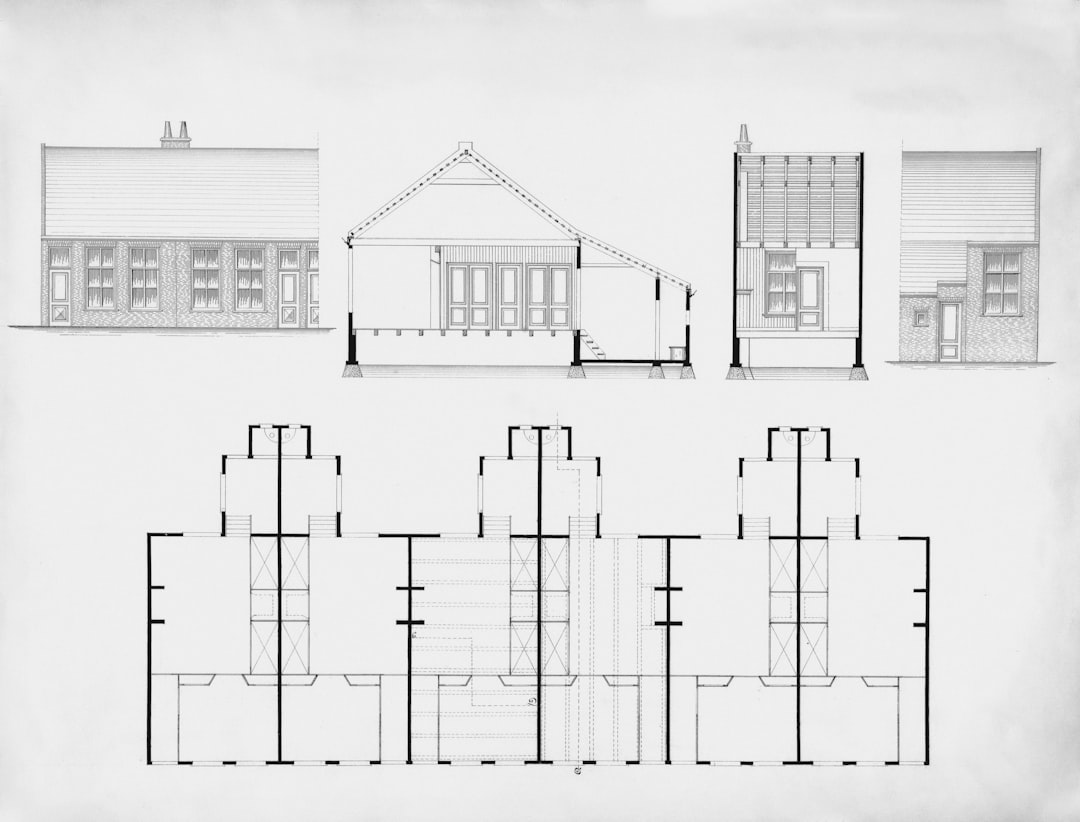
Integrated reviews minimize redundancies and ensure that feedback is consolidated, reducing applicant confusion and review cycles.
Leveraging Data and Performance Metrics
Measuring performance is essential for continuous improvement. Authorities should track key performance indicators (KPIs) such as:
- Average review time per permit type
- Percentage of applications approved on first submission
- Frequency of resubmissions
- Applicant satisfaction levels
Analyzing these metrics helps identify systemic inefficiencies and prioritize targeted reforms. Transparency in reporting performance data also strengthens accountability and public trust.
Risk-Based Review Approaches
Not all construction projects carry equal risk. Implementing a risk-based permitting framework allows authorities to allocate resources appropriately. For example, minor renovations may require streamlined or expedited review, while high-rise or industrial projects undergo more comprehensive scrutiny.
Risk-based approaches can include:
- Tiered review categories based on project scope and complexity
- Third-party certifications for standard code compliance elements
- Expedited pathways for projects meeting predefined criteria
This method preserves rigorous safety standards while avoiding unnecessary administrative burdens for straightforward projects.
Training and Capacity Building
Streamlining is not solely a technological or procedural challenge; it is also a human one. Both applicants and reviewers must understand evolving regulations, software tools, and documentation standards.
Effective capacity-building strategies include:
- Regular training workshops for staff and industry professionals
- Updated guidance manuals reflecting regulatory changes
- Technical support channels for digital platform users
- Cross-training programs to enhance departmental flexibility
A well-trained workforce ensures that modernization efforts translate into tangible efficiency gains.
Enhancing Transparency and Communication
Clear communication reduces misunderstandings and builds confidence in the permitting system. Applicants should be able to easily determine the status of their submissions and receive specific guidance when corrections are necessary.
Transparency measures may include:
- Online tracking systems showing real-time status updates
- Detailed review comments linked to code references
- Defined response timelines for agencies
- Public dashboards reporting approval statistics

When communication is timely and precise, project teams can respond quickly and reduce overall review cycles.
The Role of Policy and Legislative Reform
In some jurisdictions, legislative changes are necessary to facilitate meaningful improvements. Outdated statutes may mandate redundant reviews or limit the adoption of digital signatures and electronic records.
Policy reforms can:
- Authorize electronic submissions and approvals
- Set statutory time limits for agency reviews
- Encourage public-private collaboration in system modernization
- Enable data sharing across regulatory bodies
Such reforms demonstrate institutional commitment to efficiency without compromising regulatory integrity.
Balancing Efficiency with Compliance
It is important to emphasize that streamlining does not imply reducing oversight. On the contrary, efficient processes often enhance compliance by clarifying expectations and reducing procedural errors. The objective is to remove unnecessary friction while maintaining rigorous standards for safety, environmental protection, and structural reliability.
A balanced approach ensures that:
- Public interests remain protected
- Developers receive predictable timelines
- Communities benefit from timely project completion
- Regulatory agencies operate with improved effectiveness
Conclusion
Streamlining permit processes for construction projects is a strategic imperative in an increasingly complex regulatory landscape. Through digital transformation, early engagement, standardized documentation, coordinated reviews, and transparent communication, stakeholders can significantly reduce delays and uncertainty. Risk-based frameworks and performance measurement further enhance efficiency while preserving essential safeguards.
Ultimately, the goal is to create a permitting environment that is predictable, transparent, and responsive—one that supports responsible development and fosters economic growth. When construction permit systems operate efficiently, they serve not as obstacles but as enablers of safe, sustainable, and successful projects.