
The rapid evolution of artificial intelligence has transformed the way online stores operate, compete, and grow. From personalized shopping experiences to automated inventory forecasting, AI ecommerce tools are redefining what efficient store management looks like. Businesses that once relied on manual processes and guesswork can now leverage data-driven insights to make smarter decisions, reduce operational costs, and enhance customer satisfaction.
TLDR: AI ecommerce tools help online stores automate operations, personalize customer experiences, optimize pricing, and improve inventory management. These solutions use data-driven insights to enhance marketing, sales, and customer support performance. By adopting the right AI tools, ecommerce businesses can increase efficiency, boost conversions, and scale more effectively. Leveraging AI is no longer optional—it is becoming essential for staying competitive.
The Role of AI in Modern Ecommerce
Artificial intelligence brings automation and predictive intelligence into nearly every aspect of ecommerce management. Instead of reactive decision-making, store owners can use AI-powered tools to anticipate demand, recommend products, detect fraud, and optimize advertising campaigns in real time.
AI systems analyze vast datasets that include customer behavior patterns, transaction histories, browsing data, and market trends. With machine learning algorithms continuously improving based on new data, these tools become more accurate over time. The result is smarter operations and highly targeted customer experiences.
1. AI-Powered Product Recommendations
Personalization is one of the biggest advantages AI offers ecommerce businesses. AI-driven recommendation engines analyze customer behavior—such as browsing history, past purchases, and search queries—to suggest products tailored to individual preferences.
Leading tools in this category include:
- Dynamic recommendation engines integrated into ecommerce platforms
- AI upselling and cross-selling tools
- Email personalization software driven by predictive algorithms
These tools help increase average order value and boost conversion rates by showing shoppers products they are more likely to purchase. Rather than offering generic suggestions, AI ensures recommendations feel relevant and timely.
2. Intelligent Inventory Management Systems
Traditional inventory management often relies on historical sales data and spreadsheets. AI enhances this process by predicting demand fluctuations using seasonal patterns, market trends, and customer purchasing behavior.
AI inventory tools provide:
- Demand forecasting with high accuracy
- Automated stock replenishment alerts
- Dead stock identification
- Supplier performance analysis
These insights help prevent overstocking and stockouts, both of which can hurt profitability. By maintaining optimal inventory levels, businesses can reduce storage costs while meeting customer expectations.
3. Smart Pricing Optimization Tools
Competitive pricing is critical in ecommerce. AI-based pricing tools monitor competitor prices, customer demand, and market changes in real time. Using predictive analytics, these systems automatically adjust prices to maximize revenue and profit margins.
Smart pricing tools can:
- Analyze competitor price movements instantly
- Test multiple pricing strategies simultaneously
- Identify price sensitivity among customer segments
- Optimize promotions and discount timing
By eliminating manual price monitoring, ecommerce managers can respond swiftly to market shifts without sacrificing profitability.
4. AI Chatbots and Customer Support Automation
Customer experience significantly influences brand loyalty. AI-powered chatbots provide instant assistance 24/7, answering frequently asked questions, tracking orders, and resolving simple issues without human intervention.

Advanced AI chatbots use natural language processing to understand context and respond conversationally. They can:
- Guide customers through product selection
- Handle returns and refund inquiries
- Recommend products based on stated preferences
- Escalate complex issues to human agents
This automation reduces support costs while improving response times. Moreover, AI systems collect interaction data to continuously refine and enhance the customer support process.
5. AI-Driven Marketing Automation
Marketing campaigns are more effective when informed by data. AI marketing tools analyze user journeys across multiple touchpoints—social media, website visits, email engagement, and ads—to create hyper-targeted campaigns.
Key features include:
- Predictive email marketing with behavior-based triggers
- Audience segmentation using machine learning clustering
- Ad spend allocation optimization
- Content generation assistance
AI tools can determine the best time to send emails, identify churn risks, and personalize messaging at scale. Instead of broad campaigns, businesses can deliver individualized experiences to thousands of customers simultaneously.
6. Fraud Detection and Security Monitoring
Ecommerce platforms face ongoing risks from fraudulent transactions and data breaches. AI-powered fraud detection systems monitor transactions in real time, identifying suspicious patterns that may indicate fraud.
These systems evaluate factors such as:
- IP address irregularities
- Payment behavior anomalies
- Unusual purchasing volumes
- Geolocation mismatches
Machine learning models continuously refine their understanding of fraud patterns, reducing false positives while maintaining high security standards. This protects both customers and businesses from financial loss.
7. Visual Search and Image Recognition Tools
AI-based visual search allows customers to upload images and find similar products instantly. This technology enhances product discovery, especially in fashion, home decor, and lifestyle ecommerce sectors.

Image recognition tools also improve backend operations by:
- Automatically tagging product images
- Categorizing items correctly
- Detecting duplicate listings
By simplifying the search process and improving catalog organization, visual AI tools create a smoother shopping journey.
8. AI Analytics and Business Intelligence Platforms
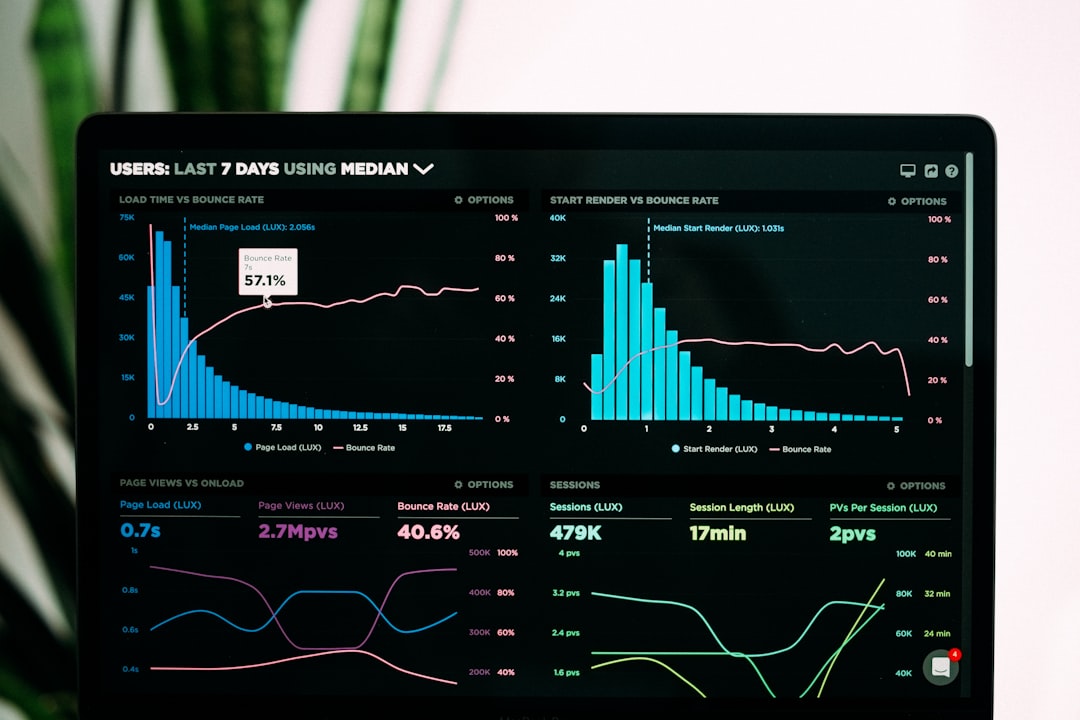
Understanding store performance requires analyzing complex datasets. AI-enhanced analytics dashboards consolidate sales data, website metrics, advertising performance, and customer behavior into actionable insights.
Features often include:
- Revenue forecasting
- Customer lifetime value prediction
- Churn probability analysis
- Custom automated reporting
Rather than manually interpreting spreadsheets, store managers can receive simplified recommendations such as “increase ad spend on Product Category A” or “restock Item B within five days.” These insights accelerate decision-making and strategic planning.
Choosing the Right AI Ecommerce Tools
Selecting the right AI tools depends on business size, industry, and operational complexity. Small businesses may benefit most from AI chatbots and marketing automation, while larger enterprises might require advanced pricing engines and demand forecasting platforms.
When evaluating AI tools, ecommerce managers should consider:
- Integration capabilities with existing platforms
- Scalability as the store grows
- Ease of use and interface design
- Data security compliance
- Return on investment potential
It is also important to ensure that teams receive proper training. AI tools are only as effective as the strategies guiding their use.
The Future of AI in Ecommerce
The future of ecommerce management will likely be driven even more by AI innovation. Predictive personalization will become increasingly sophisticated, voice commerce may expand, and automated supply chains could become standard practice. As algorithms continue to improve, AI systems will shift from assisting decision-making to proactively driving strategic actions.
Businesses that embrace AI early gain a competitive advantage. They can deliver seamless customer experiences, optimize operations, and scale sustainably in a competitive digital marketplace.
Frequently Asked Questions (FAQ)
-
1. What are AI ecommerce tools?
AI ecommerce tools are software solutions that use artificial intelligence technologies such as machine learning and natural language processing to automate, optimize, and improve various aspects of online store management. -
2. Can small ecommerce businesses benefit from AI tools?
Yes. Many AI tools are scalable and affordable for small businesses. Solutions like AI chatbots, automated email marketing, and product recommendation engines can significantly enhance performance without requiring a large budget. -
3. How do AI tools improve customer experience?
AI tools personalize shopping experiences, provide instant customer support, recommend relevant products, and ensure smoother navigation. This leads to higher satisfaction and increased loyalty. -
4. Are AI ecommerce tools difficult to implement?
Most modern AI tools are designed for easy integration with major ecommerce platforms. While setup may require some configuration, many providers offer support and tutorials to simplify implementation. -
5. Do AI tools replace human employees?
AI tools are designed to support and enhance human efforts rather than replace them entirely. They automate repetitive tasks, allowing teams to focus on strategic planning, creativity, and customer relationship building. -
6. How secure are AI-powered ecommerce systems?
Reputable AI tools incorporate strong security protocols and data encryption. Additionally, AI-driven fraud detection systems actively enhance store security by identifying suspicious activities in real time.
By strategically integrating AI ecommerce tools into daily operations, online stores can move beyond reactive management toward proactive optimization. Artificial intelligence is not just a trend—it is a foundational technology shaping the future of smarter, more efficient ecommerce management.