Winning on Google is not magic. It is data. Hard numbers. Clear insights. Smart moves. If you want to outrank your competitors, you need to know what they are doing. What keywords they target. Where their backlinks come from. Why Google ranks them higher than you. That is where SERP data tools come in. These tools turn search engine results pages into treasure maps.
TLDR: The best SERP data tools help you spy (ethically) on competitors and find ranking opportunities fast. Tools like Ahrefs, SEMrush, and SE Ranking show keywords, backlinks, and ranking changes. Others like Serpstat and Moz offer great value and smart insights. Use a mix of tools to spot gaps, track movements, and build better SEO strategies.
What Are SERP Data Tools?
SERP stands for Search Engine Results Page. It is the page you see after typing something into Google.
SERP data tools collect and analyze information from those pages. They tell you:
- Who ranks for what
- How often rankings change
- Which keywords drive traffic
- What features appear (snippets, maps, ads)
- Where backlinks come from
Think of them as your competitive intelligence dashboard.

Why Competitor Analysis Matters
Imagine running a race with your eyes closed. That is SEO without competitor analysis.
Your competitors already did a lot of work. They tested keywords. Built links. Optimized pages. Why not learn from them?
Competitor analysis helps you:
- Find content gaps
- Discover high-converting keywords
- Understand backlink strategies
- Track ranking changes
- Predict trends
It saves time. It reduces guesswork. It increases wins.
1. Ahrefs
Ahrefs is a powerhouse. It is loved by SEO professionals for a reason.
Its database is huge. Its interface is clean. Its backlink analysis is one of the best in the industry.
Top Features for Competitor Analysis:
- Site Explorer: See organic keywords and backlinks
- Content Gap: Find keywords competitors rank for but you do not
- Top Pages: Identify pages driving the most traffic
- Rank Tracker: Monitor position changes
Want to know why a competitor outranks you? Plug in their URL. Within seconds, you will see their top-performing keywords.
Best for: Deep backlink research and keyword gaps.
2. SEMrush
SEMrush is like a Swiss Army knife for SEO.
It does keyword research. Competitor tracking. Ad analysis. Content ideas. And more.
Competitive Research Tools Include:
- Organic Research: See competitors’ rankings
- Keyword Gap: Compare multiple domains
- Traffic Analytics: Estimate traffic sources
- Position Tracking: Daily ranking updates
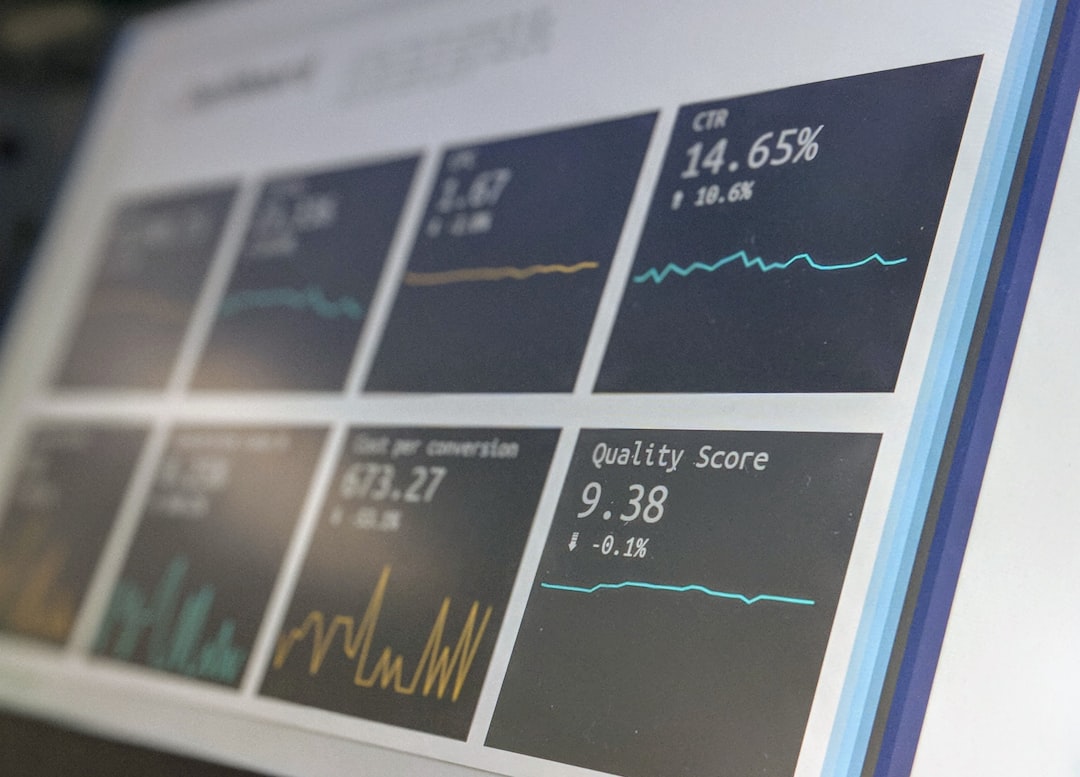
One fun feature is the Competitive Positioning Map. It visually shows who dominates your niche.
Best for: All-in-one competitor intelligence.
3. SE Ranking
SE Ranking is powerful but simpler. It is also more budget-friendly.
This makes it great for small businesses and startups.
Strong Points:
- Accurate rank tracking
- Competitor SEO/PPC research
- Keyword suggestion tool
- Backlink monitoring
Its competitor comparison tool stacks domains side-by-side. You quickly see differences in visibility, traffic, and keywords.
Best for: Budget-conscious teams that want solid data.
4. Serpstat
Serpstat often flies under the radar. But it should not.
It combines keyword research, site audits, and competitor analysis in one place.
Features Worth Exploring:
- Tree view structure analysis
- Keyword clustering
- Competitor domain comparison
- SERP feature tracking
One cool thing? You can analyze historical ranking data. That means you can see when competitors gained or lost positions.
Best for: Teams that want structured data and keyword grouping.
5. Moz Pro
Moz is one of the most recognizable names in SEO.
It may not have the biggest database. But it offers reliable insights and strong domain authority metrics.
Key Competitive Tools:
- Link Explorer: Analyze backlinks
- Keyword Explorer: Discover ranking difficulty
- Domain Overview: Compare domain authority
Moz’s Domain Authority (DA) score is widely used in marketing circles. It gives you a quick view of competitive strength.
Best for: Simple, trusted domain comparison.
6. Similarweb
Similarweb focuses more on traffic behavior than pure SEO.
It shows where competitor traffic comes from. Search. Social. Direct. Paid ads.
You can also see:
- Audience interests
- Referral sites
- Engagement metrics
- Geographic distribution
This adds context. Not just rankings. But user behavior.
Best for: Big-picture competitive traffic analysis.
7. AccuRanker
If rank tracking is your obsession, AccuRanker is worth a look.
It delivers fast updates and highly accurate keyword tracking.
Main Benefits:
- On-demand ranking refresh
- SERP feature tracking
- Competitor rank comparisons
- Historical data graphs
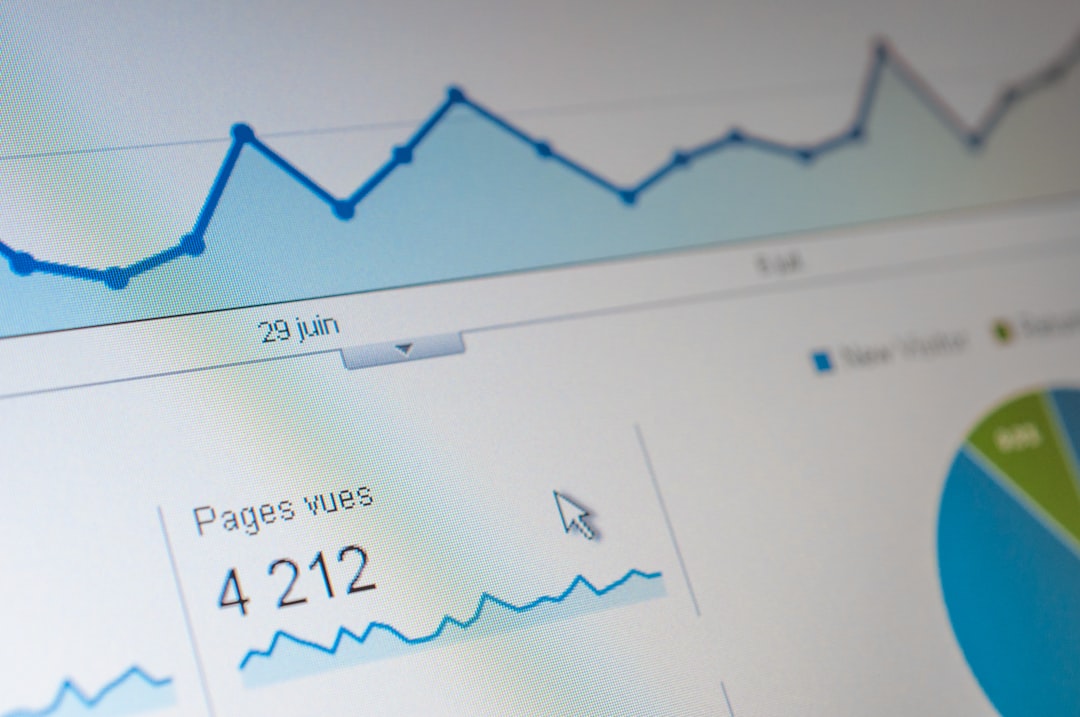
This tool is laser-focused. It may not replace a full SEO suite. But it is excellent for precise tracking.
Best for: Agencies and large-scale tracking campaigns.
How to Choose the Right Tool
Not every tool fits every team.
Ask yourself:
- Do I need deep backlink analysis?
- Is keyword gap analysis my priority?
- What is my budget?
- How many competitors do I track?
- Do I need daily updates?
Simple Recommendation Guide:
- For deep data: Ahrefs
- For all-in-one power: SEMrush
- For affordability: SE Ranking
- For domain authority focus: Moz
- For traffic behavior insight: Similarweb
You can also combine tools. Many SEO professionals do.
Pro Tips for Smarter Competitor Analysis
Having tools is not enough. You need a system.
1. Start With Top Competitors
Focus on those ranking on page one. Not random sites.
2. Analyze Their Top Pages
Find what brings the most traffic. Study structure and content depth.
3. Look for Keyword Gaps
Find high-volume keywords you are missing.
4. Check Backlink Quality
Not all links are equal. Look at authority and relevance.
5. Track Regularly
SEO changes weekly. Monitor movements often.
Common Mistakes to Avoid
- Copying competitors blindly
- Ignoring search intent
- Chasing only high-volume keywords
- Forgetting technical SEO
- Not tracking progress
Remember. Data is insight. Not instructions. Use it wisely.
The Future of SERP Analysis
Search is evolving.
We now see:
- AI-generated answers
- Featured snippets
- Video carousels
- Local packs
- Voice results
Modern SERP tools track these features too. This matters. Because ranking number one is not always enough anymore.
Sometimes position zero wins.
Sometimes video wins.
Sometimes local wins.
The smarter your tool, the clearer your strategy.
Final Thoughts
Competitor analysis is not about spying. It is about learning.
The best SERP data tools give you:
- Clarity
- Speed
- Confidence
They show what works. What fails. What opportunities exist.
In SEO, data beats guesses. Every time.
Pick a tool. Study your competitors. Find gaps. Create better content. Build smarter links. Track progress.
Then watch your rankings climb.
Simple strategy. Powerful results.
Your competitors are already using data.
Maybe it is time you did too.