
Precision agriculture has transformed modern farming from intuition-based decision-making into a data-driven science. With rising input costs, unpredictable weather patterns, and increasing demand for sustainability, farmers need smarter tools to plan crops, allocate resources, and forecast yields with accuracy. That’s where farm management software steps in—bringing satellite imagery, soil data, machinery tracking, and analytics together in one place.
TL;DR: Farm management software designed for crop planning empowers farmers to make data-backed decisions about planting, inputs, and harvesting. Tools like Granular, Climate FieldView, Agworld, FarmLogs, Trimble Ag Software, and Cropio help optimize resources, improve yields, and support sustainability goals. These platforms integrate mapping, weather data, financial tracking, and variable rate technology to advance precision agriculture. Choosing the right solution depends on farm size, budget, and operational complexity.
Below, we explore six powerful farm management software platforms that support crop planning and precision agriculture—along with how they stand out in today’s competitive ag-tech landscape.
1. Granular
Granular is a robust farm business management software designed for large-scale operations that want deep financial insight alongside agronomic planning. Owned by Corteva Agriscience, it integrates crop planning tools with operational and financial management features.
Key features:
- Crop planning and scenario modeling
- Budgeting and cost tracking per field
- Operational reporting and labor management
- Field-level profitability analysis
Granular allows farm managers to evaluate “what-if” planting scenarios—comparing input costs, expected yields, and commodity prices before seeds even hit the soil. This predictive capability is vital in precision agriculture, where every acre counts.
Image not found in postmetaThe platform is particularly valuable for mid-to-large farms seeking to align agronomy decisions with financial outcomes. By linking field performance directly to profit margins, Granular bridges the gap between data and dollars.
2. Climate FieldView
Climate FieldView, developed by Bayer, is one of the most recognized platforms in precision agriculture. It focuses heavily on field mapping and real-time performance monitoring.
Key features:
- Advanced satellite imagery
- In-field weather tracking
- Yield monitoring and benchmarking
- Seamless data integration from multiple machinery brands
FieldView excels in visualizing field variability. Farmers can layer soil data, planting rates, hybrid placement, and yield maps to identify high-performing and underperforming zones. This detailed insight supports variable rate planting and fertilization, maximizing resource efficiency.
Its intuitive interface makes complex agronomic data easier to interpret, even for operators who are new to precision technologies. FieldView’s compatibility with equipment from multiple manufacturers also enhances its versatility across diverse farming operations.
3. Agworld
Agworld emphasizes collaboration and planning efficiency, making it especially useful for farms working closely with agronomists and input suppliers.
Key features:
- Collaborative crop planning tools
- Task assignment and tracking
- Input inventory management
- Detailed agronomic reporting
Agworld streamlines communication between consultants and growers by centralizing all crop plans, recommendations, and scouting data in one digital environment. This reduces misunderstandings and ensures execution aligns with strategy.
From pre-season planning to post-harvest analysis, Agworld supports the full crop lifecycle. Its cloud-based design ensures that field data collected via mobile devices syncs instantly, allowing managers to make timely adjustments based on real conditions.
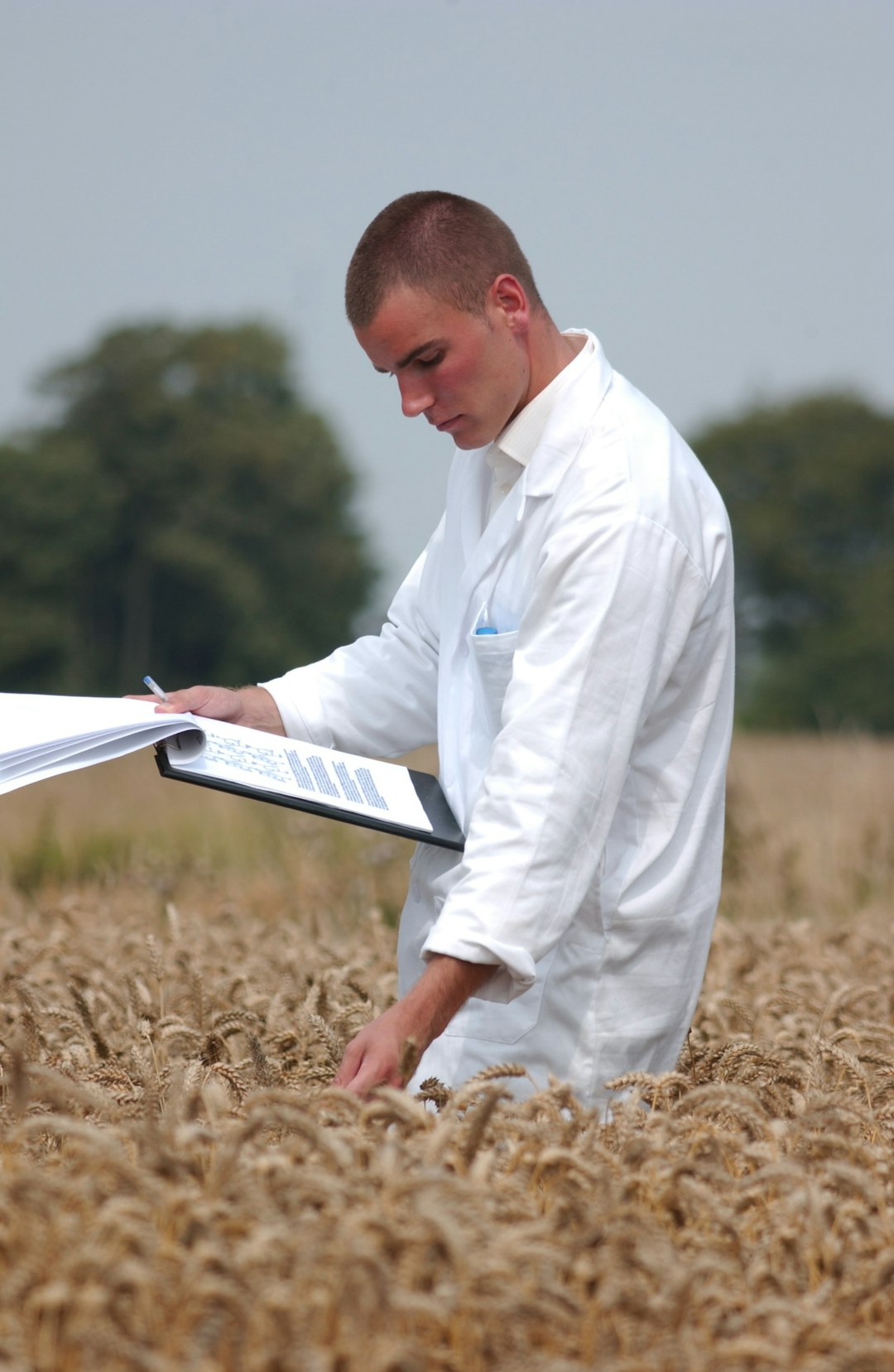
4. FarmLogs
FarmLogs gained popularity by offering accessible precision agriculture features tailored to independent farmers. Now part of Bushel, it remains focused on simplifying data insights for improved crop management.
Key features:
- Field health imagery
- Automated weather updates
- Yield analysis tools
- Grain marketing insights
FarmLogs uses satellite imagery to detect crop stress early, giving farmers time to investigate and intervene. Identifying nitrogen deficiencies, pest damage, or irrigation issues quickly can significantly impact final yields.
Its straightforward interface appeals to growers who want actionable insights without navigating overwhelming datasets. For small to medium-sized farms transitioning into precision agriculture, FarmLogs offers an approachable entry point.
5. Trimble Ag Software
Trimble Ag Software provides enterprise-grade solutions with strong GPS and hardware integration capabilities. Known for its advanced positioning technologies, Trimble excels in guiding equipment and executing variable rate prescriptions.
Key features:
- High-accuracy GPS integration
- Water management planning
- Field mapping and boundary management
- Variable rate application support
Trimble’s system integrates seamlessly with guidance controllers and irrigation systems, making it ideal for operations that depend heavily on automation. Real-time mapping combined with historical yield data allows for precise input placement.
For growers managing water-intensive crops, Trimble’s irrigation planning tools help optimize water usage—an increasingly critical factor in climate-resilient agriculture.
6. Cropio
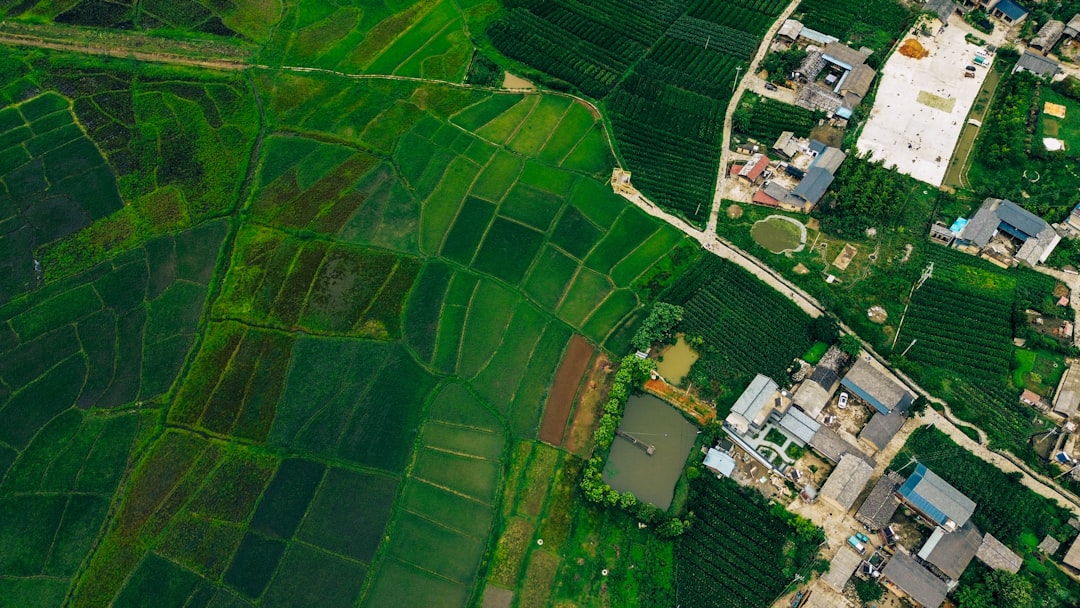
Cropio offers satellite-based crop monitoring across large geographies. Particularly useful for expansive farms and agribusinesses, it delivers powerful remote sensing capabilities.
Key features:
- Vegetation index monitoring
- Weather pattern tracking
- Field condition alerts
- Machinery tracking integration
Cropio’s ability to analyze vegetation indices like NDVI enables farmers to track biomass development throughout the growing season. This data is critical for making informed fertilization and irrigation decisions.
With weather forecasting and risk monitoring built in, Cropio helps mitigate threats from drought, frost, or excessive rainfall. Large-scale operators benefit most from its regional-level analytics and scalability.
Comparison Chart: Precision Agriculture Crop Planning Software
| Software | Best For | Key Strength | Satellite Imagery | Financial Tools |
|---|---|---|---|---|
| Granular | Large farms | Financial scenario planning | Limited | Yes |
| Climate FieldView | Data-driven farms | Field visualization | Yes | Basic |
| Agworld | Collaborative teams | Agronomist coordination | Partial | Limited |
| FarmLogs | Small to mid farms | Ease of use | Yes | No |
| Trimble Ag Software | Tech-integrated farms | GPS precision tools | Yes | Moderate |
| Cropio | Large scale operations | Remote sensing analytics | Advanced | No |
Why Precision Agriculture Software Matters
Precision agriculture revolves around applying the right input, in the right amount, at the right time, and in the right place. Achieving this balance manually across hundreds or thousands of acres is nearly impossible. Farm management software simplifies this complexity by:
- Reducing input waste
- Improving yield potential
- Supporting sustainability initiatives
- Enhancing traceability and compliance
- Strengthening financial planning
Data consolidation is perhaps the most transformative benefit. Instead of juggling spreadsheets, paper records, and isolated equipment monitors, farmers access centralized dashboards that combine agronomic, operational, and financial insights.
As climate variability intensifies, adaptive crop planning becomes crucial. Software platforms that integrate predictive weather modeling and historical performance analytics provide a competitive edge in uncertain growing conditions.
Choosing the Right Platform
Selecting the ideal farm management software depends on several factors:
- Farm size and scale
- Existing equipment compatibility
- Budget constraints
- Level of data expertise on the team
- Desired depth of financial integration
Smaller farms may prioritize ease of use and cost-efficiency, while large enterprises often require advanced analytics and multi-user coordination. It’s also important to consider future scalability—choosing software that can grow alongside your operation.
The Future of Crop Planning Technology
The next frontier of precision agriculture lies in artificial intelligence, machine learning, and predictive modeling. Emerging updates to many of these platforms include yield forecasting algorithms, autonomous equipment integration, and carbon tracking tools.
As sustainability becomes both a regulatory and market-driven demand, software capable of documenting emissions, soil health, and input efficiency will become even more valuable. Farmers who adopt comprehensive crop planning tools today position themselves for long-term resilience.
Ultimately, farm management software is no longer a luxury—it is a strategic necessity. By leveraging digital insights, growers can improve profitability, protect natural resources, and navigate the complexities of modern agriculture with confidence.
The future of farming is precise, connected, and data-driven—and these six tools are helping lead the way.