
Imagine typing a few words and hearing them spoken in a warm, natural human voice. No studio. No microphone. No voice actor. Just software. That is the magic of modern voice cloning platforms. These tools use artificial intelligence to copy real voices and turn text into realistic speech. And they are changing how we create audio content forever.
TLDR: Voice cloning platforms use AI to copy real human voices and turn text into natural-sounding speech. They are useful for videos, podcasts, audiobooks, customer service, and more. Many platforms are easy to use and need only a short voice sample. It is a fast, affordable way to create professional audio without recording every word yourself.
Let’s break it down in a simple way.
Voice cloning works by training artificial intelligence on a voice sample. The AI studies tone, pitch, rhythm, and speech patterns. Then it learns to recreate that voice. After that, you can type anything, and the system speaks it in that cloned voice.
It sounds futuristic. But it is very real. And very popular.
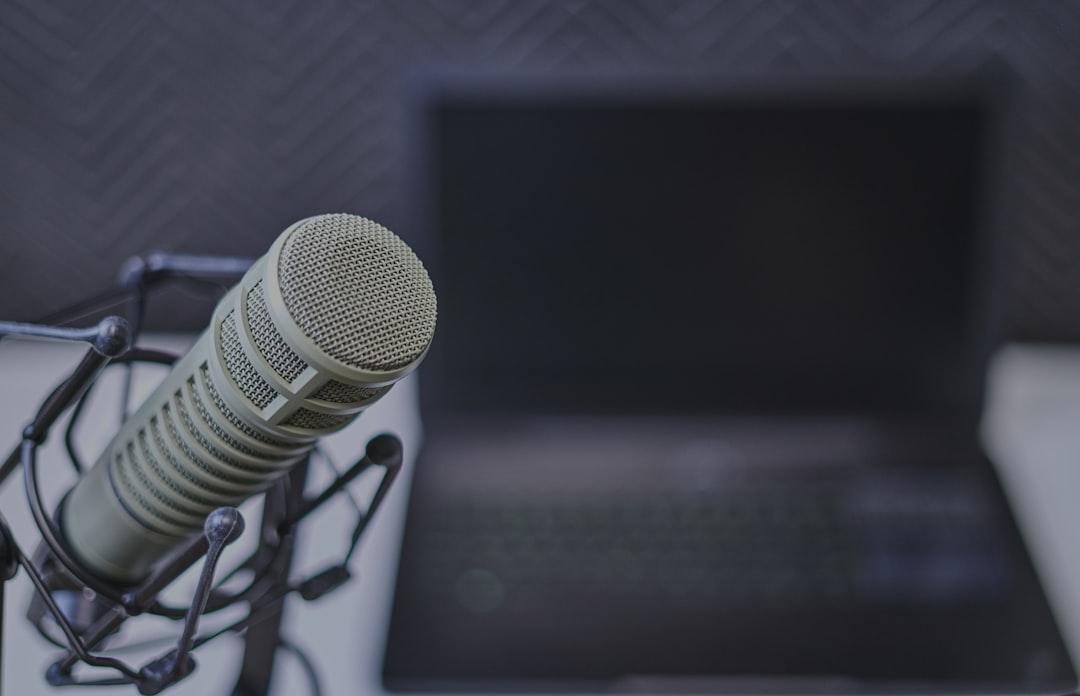
Why Is Voice Cloning So Popular?
Because it saves time. And money. And effort.
Think about content creators. They produce YouTube videos, online courses, ads, explainer animations, and podcasts. Recording takes time. If they make a small mistake, they must re-record. That gets frustrating.
With voice cloning:
- No need to re-record. Just fix the text.
- No expensive studio sessions.
- No background noise problems.
- Instant updates for scripts.
Businesses love it too. Customer support systems now use cloned voices that sound warm and human. Audiobook creators can produce chapters in minutes. Game developers can generate dialogue quickly.
Even individuals use it. Some people clone their voice to create personalized greeting messages. Others use it for accessibility tools.
How Do Voice Cloning Platforms Work?
The process is surprisingly simple.
- You upload a voice recording. Sometimes just 30 seconds is enough.
- The AI analyzes the speech patterns.
- The system builds a voice model.
- You type text.
- The platform generates speech that sounds like the original speaker.
Behind the scenes, the technology is complex. It uses deep learning and neural networks. But for users, it feels easy.
Some platforms even let you adjust speed, emotion, and tone. Want your voice to sound excited? Calm? Serious? You can tweak it.
Main Features to Look For
Not all voice cloning platforms are equal. Some are basic. Others are powerful. Here are features that matter most:
- Realism – Does the voice sound natural?
- Emotion control – Can you adjust mood and style?
- Language support – Does it support multiple languages?
- Ease of use – Simple dashboard or complicated setup?
- Speed – How fast does it generate audio?
- Ethical safeguards – Does it require consent?
The best platforms feel smooth. You upload. You type. You download.
Who Uses Voice Cloning?
The short answer? Almost everyone.
Content Creators
They use it for YouTube narration, TikTok voiceovers, and podcast intros.
Authors
They turn books into audiobooks without spending days in a recording booth.
Businesses
They automate customer service calls with friendly voices.
Educators
They create training materials with clear narration.
Game Developers
They generate character dialogue quickly.
Marketing Teams
They produce ad variations in minutes.
The flexibility is incredible.
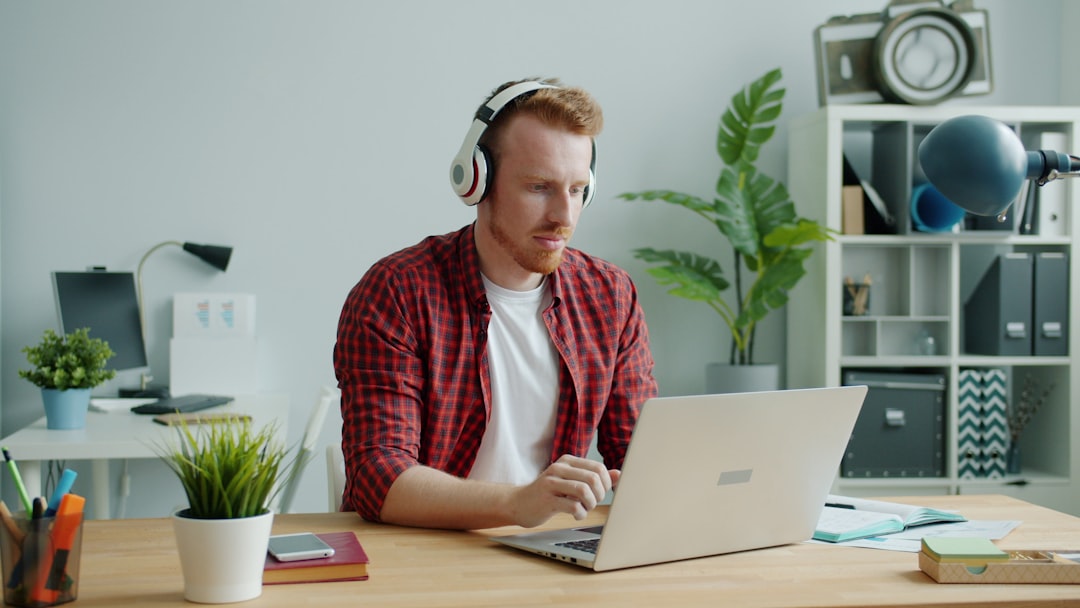
Fun Ways People Use Voice Cloning
Some uses are practical. Others are just fun.
- Create cartoon voices for animation projects.
- Make prank messages for friends.
- Generate bedtime stories in a parent’s voice.
- Build custom digital assistants.
- Preserve the voice of a loved one.
Yes, that last one is powerful. Some families use ethical voice cloning to preserve memories of elderly relatives. It can be emotional. And meaningful.
Are These Voices Really Human-Like?
Years ago, AI voices sounded robotic. You could tell instantly.
Today? It is much harder.
Modern voice cloning platforms capture:
- Natural pauses
- Breathing sounds
- Subtle pitch changes
- Emotional tone shifts
Some systems even replicate accents. Or speech quirks.
The result feels real. Sometimes surprisingly real.
Pros of Voice Cloning Platforms
Let’s keep it simple.
1. Speed
Generate hours of audio in minutes.
2. Cost-Effective
No need for studio rentals.
3. Easy Editing
Change text instead of re-recording.
4. Consistency
The voice never gets tired.
5. Scalable
Create content in bulk.
But There Are Also Challenges
Technology always comes with concerns.
Ethical Issues
Cloning someone’s voice without permission is wrong. Good platforms require consent verification.
Misuse Risks
Fake audio can spread misinformation. That is why regulation and safeguards matter.
Learning Curve
Some tools have advanced settings that may confuse beginners.
The key is responsible use.
What Makes a Great Voice Sample?
If you want high quality output, your input matters.
Here are simple tips:
- Record in a quiet room.
- Speak clearly and naturally.
- Avoid echo.
- Use a decent microphone if possible.
- Provide longer samples if the platform allows.
The better the sample, the better the clone.
Free vs Paid Platforms
Many platforms offer free trials. That is great for testing.
Free versions usually:
- Limit audio length
- Have fewer voice customization options
- Add watermarks
Paid plans typically provide:
- Unlimited generation
- Advanced voice controls
- Higher realism
- Commercial usage rights
If you are serious about content creation, paid plans often make sense.
Industries Being Transformed
Voice cloning is not just a trend. It is reshaping industries.
Entertainment
Studios recreate voices for dubbing and animation.
Healthcare
Patients losing speech can preserve their original voice digitally.
E-learning
Online courses now scale globally with multilingual narration.
Corporate Training
Companies produce consistent training audio across regions.
Advertising
Brands test multiple voice styles instantly.
The ripple effect is huge.
Tips for Getting Natural Results
If your generated voice sounds slightly off, try this:
- Break long sentences into shorter ones.
- Add commas to create natural pauses.
- Adjust speech speed settings.
- Experiment with tone controls.
- Use conversational wording instead of robotic phrases.
Sometimes better writing equals better audio.
The Future of Voice Cloning
This technology is only getting better.
In the future, voice cloning platforms may allow:
- Real-time voice transformation during live calls
- Instant translation while keeping your original voice
- Hyper-real emotional expression
- Full voice customization from scratch
Imagine speaking in English and being heard in Japanese, but still in your own voice. That future is close.
AI audio will continue blending with video, avatars, and virtual reality. Digital humans may soon speak with cloned voices that sound identical to real people.
Is It Hard to Get Started?
Not at all.
Most platforms follow this simple path:
- Create an account.
- Upload or record a voice sample.
- Wait for processing.
- Enter text.
- Download your audio file.
The whole setup can take less than an hour.
And once the voice is ready, it feels like magic.
Final Thoughts
Voice cloning platforms are powerful. They are easy to use. And they are changing how we create audio.
What once required professional studios now needs only a laptop. What once took hours now takes minutes. The barriers are falling.
But with great power comes responsibility. Always get permission before cloning a voice. Always follow platform rules. And always use it ethically.
If used wisely, voice cloning opens a world of creativity. You can build stories. Create content. Save time. Scale projects. And even preserve memories.
The human voice is personal. Emotional. Unique.
Now, technology allows us to replicate it. Shape it. And share it in ways we never imagined.
And this is just the beginning.