
Social media agencies live and breathe data. From engagement rates and follower growth to conversions and ad performance, clients expect clear insights that prove ROI. Manually compiling this information into spreadsheets and slide decks is not only time-consuming, but also prone to error. That’s why modern agencies rely on automated reporting tools to streamline workflows, improve accuracy, and deliver professional, real-time reports that impress clients.
TLDR: Automated social media reporting tools help agencies save time, reduce human error, and deliver polished, data-driven client reports. Platforms like Sprout Social, Hootsuite, Databox, AgencyAnalytics, and Whatagraph provide customizable dashboards, automated scheduling, and multi-channel integrations. Choosing the right tool depends on your agency’s size, reporting complexity, white-label needs, and budget. The right platform can dramatically improve client transparency and retention.
Below are five of the most popular automated social media reporting tools agencies use — along with their strengths, ideal use cases, and standout features.
1. Sprout Social
Best for: Agencies that want advanced analytics combined with publishing and social listening tools.
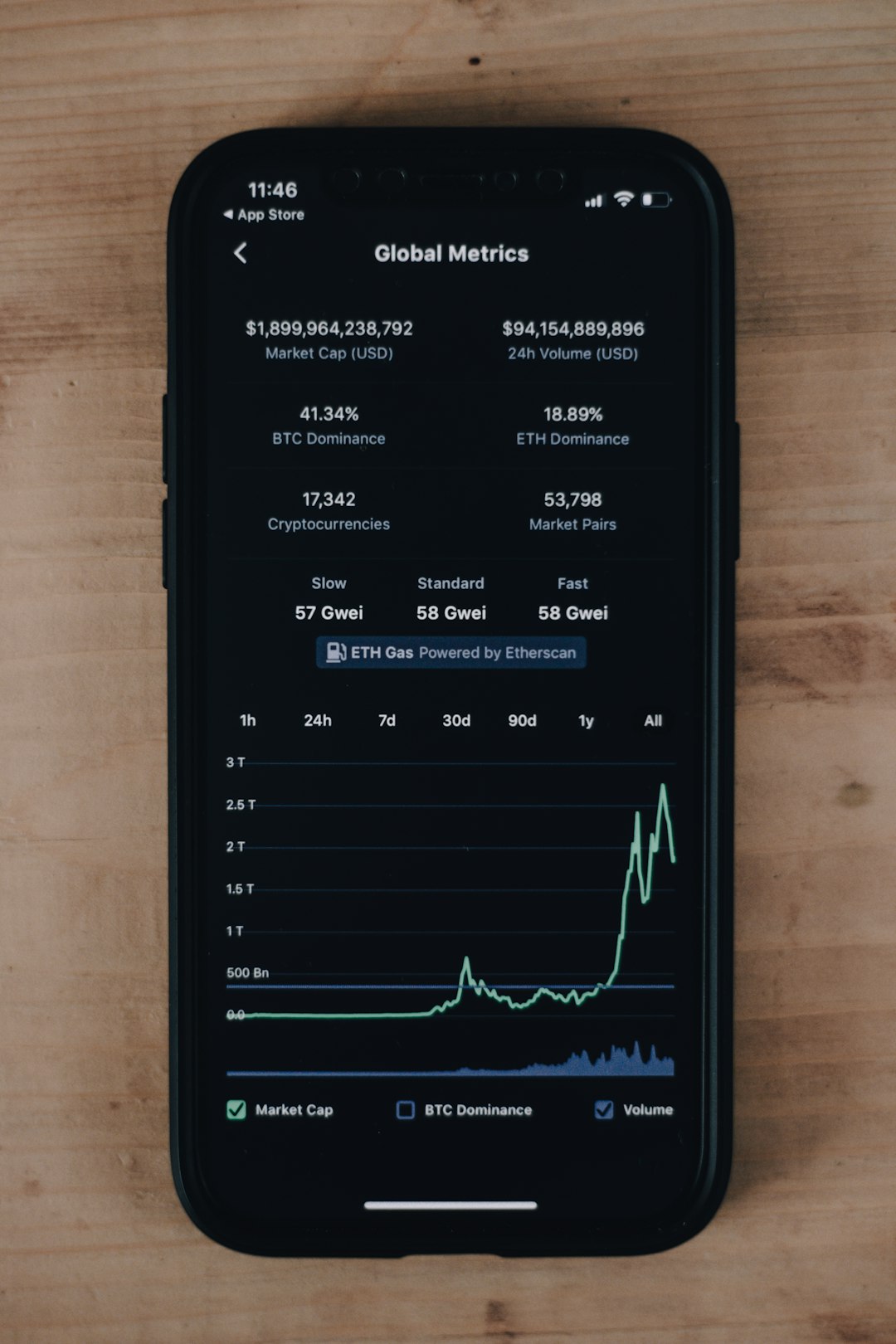
Sprout Social is known for its robust analytics and beautifully designed reports. It pulls data from major platforms like Facebook, Instagram, LinkedIn, X (formerly Twitter), Pinterest, and TikTok. Agencies love its intuitive dashboard and customizable PDF exports for client presentations.
Key Features:
- Customizable and presentation-ready reports
- Competitor benchmarking
- Social listening analytics
- White-label export options
- Automated report scheduling
Sprout Social goes beyond vanity metrics. Agencies can break down engagement trends, audience demographics, content performance, and campaign-specific results. The platform also includes internal collaboration features, making it easier for teams to tag messages and assign tasks.
Why Agencies Choose It:
- Professional-looking reports without additional design work
- Deep audience insights
- Strong cross-channel reporting
The main drawback? It’s priced at a premium tier, which may not suit smaller agencies managing tight budgets.
2. Hootsuite
Best for: Agencies managing multiple accounts and needing centralized reporting.
Hootsuite has long been a favorite in the social media management world. Beyond scheduling and publishing, its analytics capabilities allow agencies to build custom reports across social platforms and paid campaigns.
Key Features:
- Custom reporting templates
- Team performance tracking
- Paid and organic campaign analytics
- Integration with Google Analytics
- Automated email delivery of reports
Agencies working with multiple clients appreciate Hootsuite’s multi-account management capabilities. You can quickly switch between brands and generate standardized reports that maintain consistency.
Why Agencies Choose It:
- All-in-one management platform
- Long-standing reliability
- Scalable for growing client portfolios
While powerful, Hootsuite’s reporting customization may not be as visually dynamic as some newer, specialized reporting platforms.
3. Databox
Best for: Agencies that want real-time, customizable dashboards.
Databox stands out because it aggregates data from dozens of sources beyond social media — including Google Analytics, HubSpot, Shopify, and advertising platforms. This makes it ideal for agencies that focus on performance marketing and multi-channel reporting.
Image not found in postmeta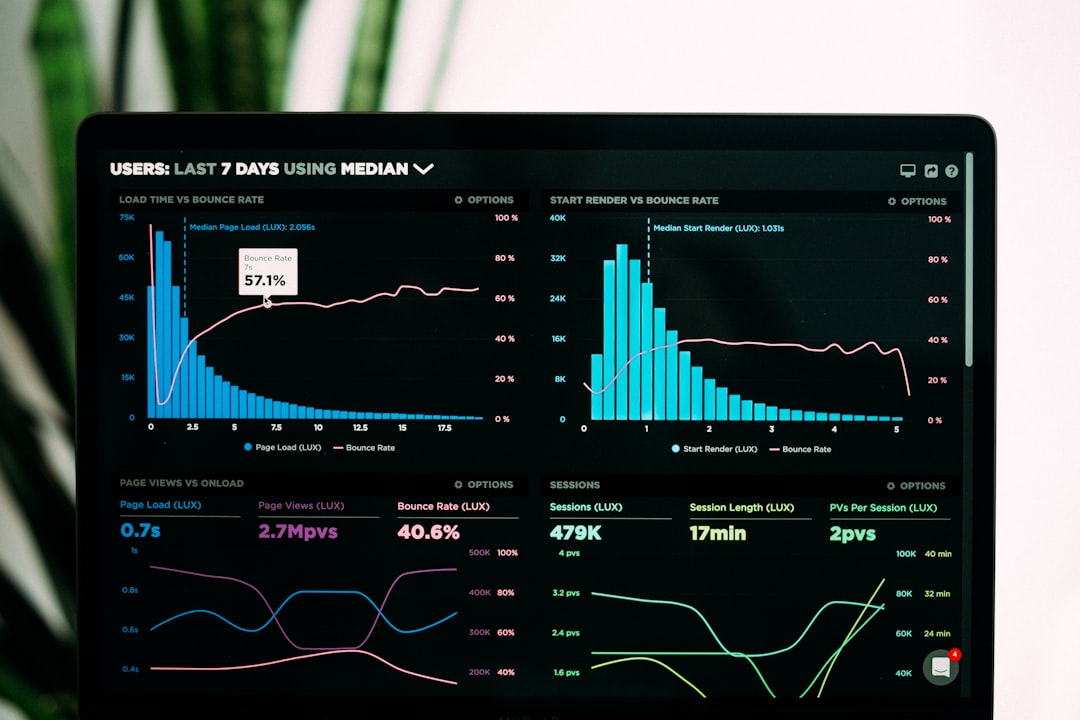
Key Features:
- Drag-and-drop dashboard builder
- Real-time data updates
- Goal tracking and performance alerts
- Client portal access
- Automated scheduled reports
Instead of static PDFs, Databox shines with live dashboards clients can access anytime. Agencies can set performance benchmarks and automatically notify stakeholders when metrics hit (or miss) targets.
Why Agencies Choose It:
- Powerful multi-source integration
- Highly customizable visuals
- Great for ROI-focused reporting
However, because it pulls from many systems, setup can be more technical compared to plug-and-play tools.
4. AgencyAnalytics
Best for: Agencies that want complete white-label reporting.
As its name suggests, AgencyAnalytics was built specifically for marketing agencies. It offers fully white-labeled dashboards, meaning agencies can brand reports with their own logo, domain, and color scheme.
Key Features:
- White-label dashboards and emails
- SEO, PPC, call tracking, and social integrations
- Automated monthly report scheduling
- Customizable widgets
- Client-friendly portal access
One of its strongest benefits is automation at scale. Agencies can clone report templates across multiple clients, reducing repetitive setup time.
Why Agencies Choose It:
- Designed specifically for agencies
- Affordable compared to enterprise tools
- Clean client-facing presentation
While excellent for marketing performance reporting, its social analytics depth may not be as advanced as platforms focused purely on social media insights.
5. Whatagraph
Best for: Agencies that prioritize visually compelling, easy-to-understand reports.
Whatagraph excels in turning complex marketing data into visually engaging reports. Agencies working with non-technical clients appreciate how the tool transforms metrics into digestible visuals.
Image not found in postmeta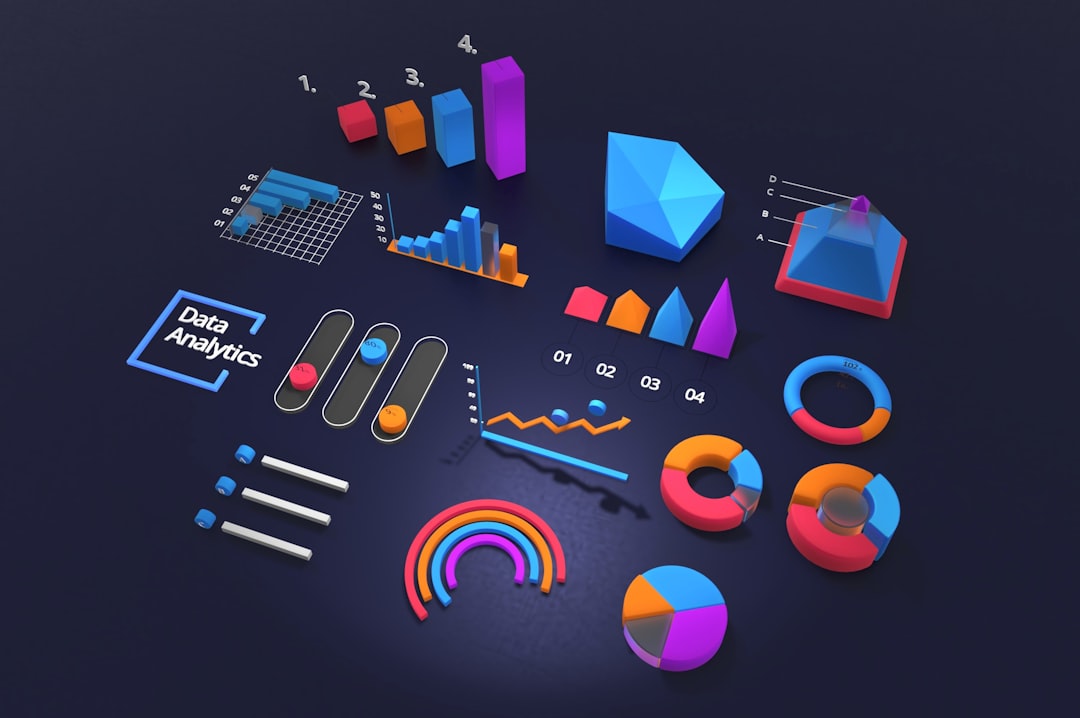
Key Features:
- Cross-channel data blending
- Highly visual report templates
- Automated data syncing
- Custom metric builders
- White-label export options
Its drag-and-drop builder allows agencies to create presentation-ready reports in minutes. Automated data pulls minimize manual work, and metrics can be combined across platforms to show a complete marketing overview.
Why Agencies Choose It:
- Strong visual storytelling
- Fast setup
- Client-friendly formatting
The only downside is that advanced customization sometimes requires premium integrations.
Comparison Chart: Quick Overview
| Tool | Best For | White Label | Real-Time Dashboards | Multi-Channel Integrations | Pricing Level |
|---|---|---|---|---|---|
| Sprout Social | Advanced social analytics | Limited | Yes | Strong social focus | Premium |
| Hootsuite | All-in-one social management | Limited | Yes | Strong | Mid to High |
| Databox | Real-time performance dashboards | Yes | Excellent | Extensive | Mid |
| AgencyAnalytics | White-label agency reporting | Full | Yes | Strong | Mid |
| Whatagraph | Visual client reports | Full | Yes | Extensive | Mid to Premium |
How to Choose the Right Tool for Your Agency
Not every agency needs enterprise-level analytics. When choosing a reporting platform, consider the following factors:
- Client Expectations: Do clients want detailed breakdowns or high-level summaries?
- White-Label Needs: Is branded reporting critical to your positioning?
- Automation Level: Do you need fully automated monthly reports?
- Integration Depth: Are you reporting on social media only, or full-funnel performance?
- Scalability: Will the tool grow with your agency?
Smaller agencies often begin with Hootsuite or AgencyAnalytics because of ease of use and pricing. Data-driven growth agencies may gravitate toward Databox or Whatagraph for their advanced dashboard capabilities. Larger firms managing enterprise clients often justify Sprout Social’s higher investment for its deep analytics and reporting polish.
Why Automated Reporting Matters More Than Ever
In a competitive agency landscape, transparency equals trust. Clients want clear evidence that their investment is delivering results. Automated reporting:
- Saves hours of manual data entry
- Reduces reporting errors
- Improves data consistency
- Enhances client communication
- Increases perceived professionalism
Most importantly, it frees up your team to focus on strategy instead of spreadsheets. Rather than assembling slides at the end of every month, your analysts can spend time optimizing campaigns and identifying growth opportunities.
Final Thoughts
Automated social media reporting tools are no longer optional for agencies that want to scale. Whether you prioritize deep analytics, real-time dashboards, white-label branding, or visually stunning reports, there’s a platform that fits your workflow.
The best tool isn’t necessarily the most expensive — it’s the one that aligns with your client base, reporting complexity, and long-term growth strategy. By investing in the right reporting solution, agencies not only save time but also strengthen client relationships through clarity, consistency, and measurable results.
Ultimately, automation doesn’t replace strategy — it empowers it.