
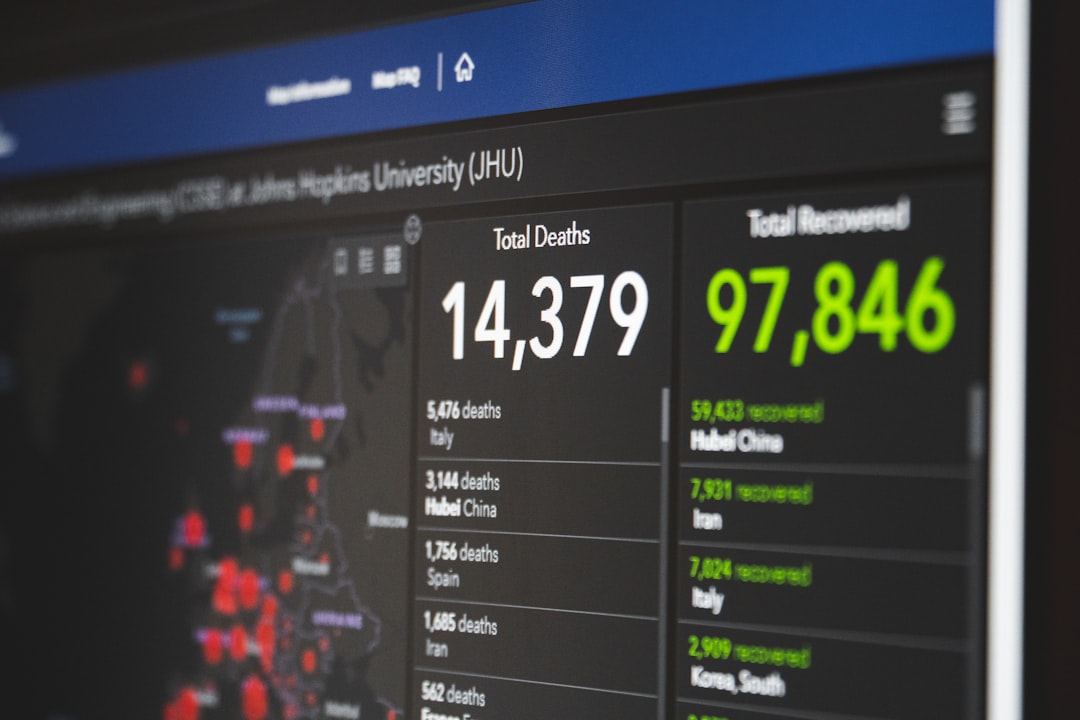
Data never sleeps. It moves. It flows. It streams in from apps, sensors, websites, payment systems, and tiny devices in your pocket. If you wait hours to analyze it, you might miss something big. That is where real-time stream processing software comes in. It helps you understand data while it is still moving.
TLDR: Real-time stream processing software lets you analyze data the moment it is created. It helps businesses react fast, prevent problems, and grab opportunities. Instead of waiting for reports, you see insights instantly. It is powerful, fast, and becoming essential in a world that runs 24/7.
Let’s break it down in a simple way.
What Is Data in Motion?
Think about a music app. Every time someone presses play, pauses a song, or skips a track, data is created. Millions of people do this at the same time. That data is not sitting still. It is moving constantly.
This is called data in motion. It includes:
- Website clicks
- Credit card swipes
- Sensor readings from machines
- GPS locations from delivery trucks
- Messages from social media
Traditionally, companies stored this data first. Then they analyzed it later. That is called batch processing. It works. But it is slow.
Now imagine detecting credit card fraud five hours after it happens. Too late. The money is gone.
Real-time stream processing changes the game.
What Is Real-Time Stream Processing?
Real-time stream processing software analyzes data the instant it arrives. No waiting. No long delays.
It works like a super-fast filter. Data comes in. The software checks it immediately. Then it triggers actions if needed.
For example:
- A bank detects unusual spending and blocks a card.
- An online store updates product recommendations instantly.
- A factory sensor reports overheating and shuts down a machine.
This all happens in seconds. Sometimes milliseconds.
How It Works (Without the Tech Headache)
Let’s keep this simple.
Real-time stream processing systems usually have three main parts:
- Data Producers
- Processing Engine
- Data Consumers
1. Data Producers
These are the sources. Apps. Websites. IoT devices. Sensors. Payment terminals. They send data continuously.
2. Processing Engine
This is the brain. It reads incoming data and applies rules. It may filter, aggregate, compare, or analyze it using algorithms.
3. Data Consumers
These are the systems that use the results. Dashboards. Alerts. Automated systems. Reports. Even robots.
The magic is speed. Everything connects smoothly so the flow never stops.
Why It Matters So Much
Speed is power in today’s world.
Here is why companies love real-time processing:
- Instant decisions – No waiting for end-of-day reports.
- Better customer experience – Personalization happens immediately.
- Fraud detection – Suspicious activity is caught fast.
- Operational efficiency – Machines stay monitored 24/7.
- Competitive advantage – Faster insight means faster action.
Imagine running an online store during a flash sale. Traffic spikes. Carts fill up fast. With real-time monitoring, you see problems right away and fix them before customers leave.
Real-World Use Cases
This is not just theory. Stream processing is used everywhere.
Finance
Banks use it for fraud detection, stock trading analysis, and risk monitoring. Every transaction is checked instantly.
E-Commerce
Retailers track clicks, searches, and purchases live. They adjust product recommendations on the fly.
Healthcare
Hospitals monitor patient vitals in real time. If something spikes or drops suddenly, doctors get alerts immediately.
Manufacturing
Factories use IoT sensors to track equipment health. If a machine vibrates too much, the system reacts before a breakdown happens.
Transportation
Ride-share apps match drivers and passengers instantly. Delivery companies optimize routes based on live traffic data.

Batch Processing vs. Stream Processing
Let’s compare them in a simple way.
Batch processing:
- Collect data
- Store it
- Analyze later
- Good for reports and historical insights
Stream processing:
- Analyze data instantly
- React immediately
- Great for alerts and live monitoring
Many companies use both. Batch for long-term strategy. Stream for real-time action.
Popular Real-Time Stream Processing Tools
Different tools are built for different needs. Some are open-source. Some are enterprise platforms.
Here are a few well-known names in the space:
- Apache Kafka – Handles data streams at high speed.
- Apache Flink – Processes streams with strong event handling.
- Apache Spark Streaming – Extends Spark for near real-time processing.
- Google Dataflow – Cloud-based stream and batch processing.
- Amazon Kinesis – Managed streaming service in the cloud.
Each tool has strengths. Choosing one depends on scale, budget, and technical needs.
What Makes Good Stream Processing Software?
Not all platforms are equal.
Here is what to look for:
- Low latency – Results in milliseconds.
- Scalability – Handles growing data volumes.
- Fault tolerance – Keeps working even if something fails.
- Easy integration – Connects with existing systems.
- Strong security – Protects sensitive data.
Remember. Data never slows down. Your system should not either.
Challenges to Keep in Mind
Real-time processing is powerful. But it is not always simple.
Some common challenges include:
- Managing huge volumes of fast-moving data
- Making sure nothing gets lost
- Keeping latency super low
- Handling unpredictable spikes in traffic
It requires smart architecture and good planning.
But when done right, the payoff is massive.
The Role of AI and Machine Learning
Things get even more exciting when artificial intelligence joins the picture.
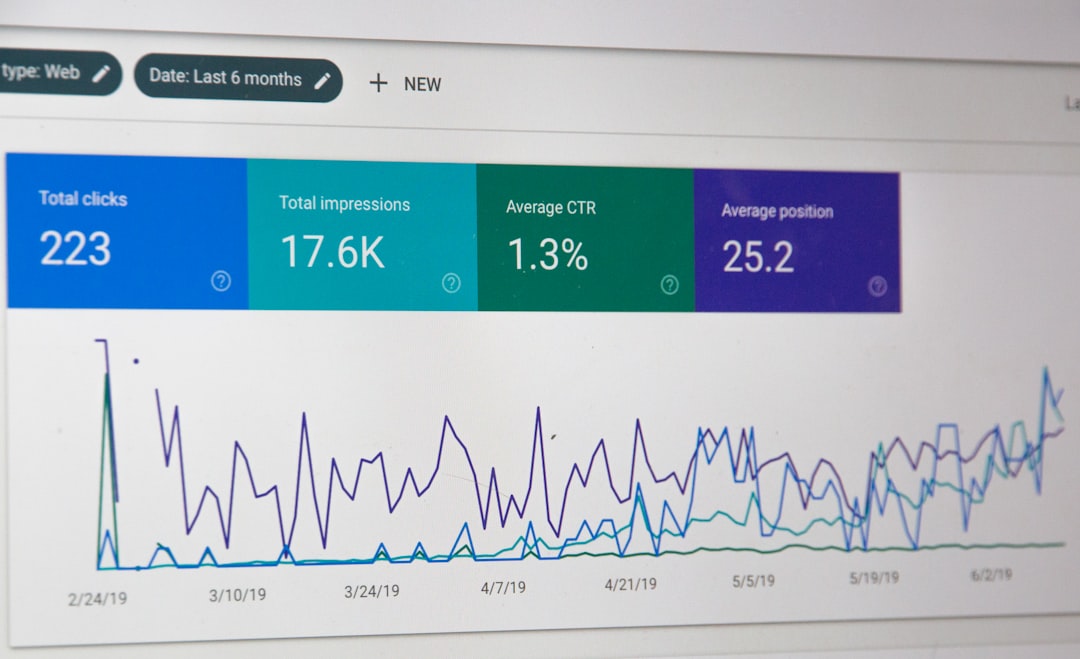
Stream processing software can feed live data into machine learning models. These models then make predictions instantly.
For example:
- Predicting customer churn as behavior changes
- Detecting fraud patterns in real time
- Recommending content based on live interaction
This means systems do not just react. They predict.
Who Needs It?
You might think only big tech companies need stream processing. Not true.
It benefits:
- Startups running mobile apps
- Mid-sized online retailers
- Large enterprises managing global systems
- Logistics companies tracking shipments
- Energy companies monitoring grid performance
If your business depends on fast decisions, real-time processing matters.
The Future of Data in Motion
Data streams are growing every year. More devices connect to the internet. More users go online. More systems talk to each other.
The rise of:
- Internet of Things devices
- Smart cities
- Autonomous vehicles
- Financial technology platforms
- Streaming media services
…means real-time processing will only become more important.
In the future, delays will feel strange. We will expect instant answers everywhere.
Simple Example to Wrap It Up
Imagine running a pizza delivery app.
Orders come in every second. Drivers move around the city. Traffic changes. Customers leave reviews.
With real-time stream processing software, you can:
- Assign the closest driver instantly
- Adjust routes based on traffic
- Monitor delivery delays live
- Detect payment fraud instantly
- Update estimated delivery times automatically
Everything happens as the data flows in.
No waiting. No guessing.
Final Thoughts
Real-time stream processing software helps businesses think fast. React fast. Win fast.
It turns raw, fast-moving data into instant insight. It helps prevent problems before they grow. It improves customer experiences. It keeps systems healthy and secure.
We live in a world that moves quickly. Data moves even faster.
Companies that can analyze data in motion are not just keeping up. They are staying ahead.
And in today’s digital race, that makes all the difference.