Running a website used to mean one thing. You needed a big, complicated backend. Servers. Databases. Custom code. Endless updates. But not anymore. Today, you can manage content without touching traditional backend systems. That is where headless CMS platforms shine.
TLDR: A headless CMS lets you manage content without being tied to a specific website layout or backend system. It stores your content and delivers it anywhere through APIs. This makes your website faster, more flexible, and easier to scale. If you want modern, flexible content management, headless is the way to go.
Let’s break it down and keep it simple.
What Is a Headless CMS?
Think of a traditional CMS like a restaurant that cooks and plates your food. It decides how everything looks before serving it.
A headless CMS is different.
It only cooks the food.
It does not plate it.
It sends the ingredients wherever you want. A website. A mobile app. A smartwatch. Even a smart fridge, if you like.
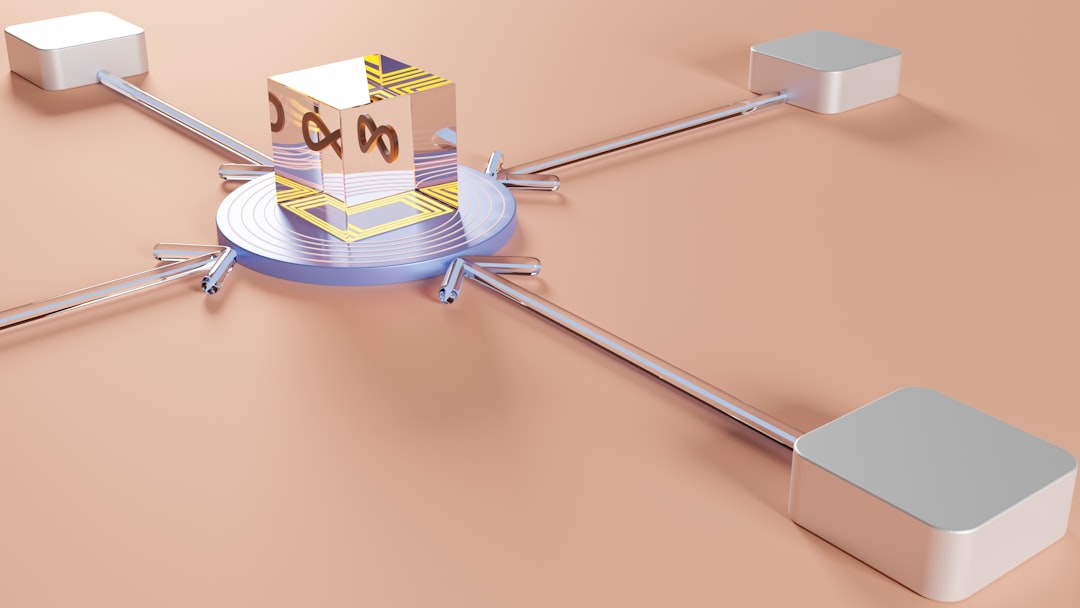
This happens through something called an API. The API delivers your content wherever it needs to go.
- No fixed frontend.
- No rigid templates.
- No traditional backend management headaches.
In short, you manage content in one place and publish it everywhere.

Why Go Headless?
You might wonder. If traditional systems work, why change?
Here are a few big reasons:
1. Flexibility
You are not stuck with one design. Developers can build any frontend using modern frameworks like React, Vue, or Next.js.
2. Faster Websites
Headless setups work beautifully with static site generators and modern frameworks. That means faster load times.
3. Omnichannel Publishing
Post once. Publish everywhere.
- Website
- Mobile app
- Digital kiosk
- Smart devices
4. Better Developer Experience
Developers love choice. Headless gives them freedom to use the best tools for the job.
5. Future-Proof
New device tomorrow? No problem. Your content is ready.
Popular Headless CMS Platforms
Now the fun part. Let’s look at some of the most popular platforms that make headless content management easy.
1. Contentful
Contentful is one of the pioneers in headless CMS.
It focuses heavily on structured content. You create content models. Then fill them with data.
Best for:
- Enterprise projects
- Global teams
- Complex content structures
Pros:
- Strong API performance
- Great documentation
- Enterprise-grade reliability
Cons:
- Can get expensive
- Steeper learning curve for beginners
2. Strapi
Strapi is open-source and very loved by developers.
You can host it yourself. Or use their cloud version.
Best for:
- Custom backend needs
- Developers who want control
- Startups
Pros:
- Open-source
- Highly customizable
- Easy API creation
Cons:
- Requires technical setup
- Self-hosting means maintenance
3. Sanity
Sanity is known for its real-time editing experience.
It feels modern and collaborative.
Best for:
- Content-heavy websites
- Editorial teams
- Real-time collaboration
Pros:
- Customizable editing interface
- Real-time collaboration
- Flexible content modeling
Cons:
- Requires developer input to set up
- Interface customization may take time
4. Ghost (Headless Mode)
Ghost started as a blogging platform.
But it also offers powerful headless capabilities.
Best for:
- Blogs
- Newsletters
- Membership websites
Pros:
- Great publishing tools
- Built-in memberships
- Simple UI
Cons:
- Less flexible for complex apps
- More blog-focused
5. Storyblok
Storyblok blends headless structure with visual editing.
This makes marketers happy.
Best for:
- Marketing teams
- Agencies
- Visual page building
Pros:
- Visual editor
- Component-based content
- User-friendly interface
Cons:
- Pricing grows with usage
- Less control than pure open-source
Quick Comparison Chart
| Platform | Open Source | Best For | Ease of Use | Pricing Level |
|---|---|---|---|---|
| Contentful | No | Enterprise projects | Medium | High |
| Strapi | Yes | Custom development | Medium | Low to Medium |
| Sanity | Partially | Editorial teams | Medium | Medium |
| Ghost | Yes | Blogs and memberships | Easy | Low to Medium |
| Storyblok | No | Marketing teams | Easy | Medium |
How Headless CMS Works Without a Traditional Backend
This is the big question.
If there is no traditional backend, what is happening behind the scenes?
Here is the simple version:
- You create content in the CMS dashboard.
- The CMS stores that content in a database.
- An API delivers the content when requested.
- Your frontend displays it however it wants.
No monolithic backend controlling design. No forced templates.
The frontend and backend are separate. Completely.
This separation is called decoupling.
Who Should Use a Headless CMS?
It is not for everyone.
If you just want a small blog with no custom features, a traditional CMS might be easier.
But headless is perfect for:
- Startups building apps and websites together
- Companies with multiple digital products
- Teams wanting fast performance
- Developers who love modern frameworks
- Businesses planning for long-term growth
Common Myths About Headless CMS
Myth 1: It Is Only for Developers
Not true. Many platforms now offer friendly dashboards for marketers and editors.
Myth 2: It Is Too Expensive
Some enterprise tools are pricey. But open-source options make it very affordable.
Myth 3: It Is Too Complicated
Yes, setup may need a developer. But once running, content editing is simple.
Important Features to Look For
When choosing a headless CMS, check for:
- Strong API performance
- Role and permission management
- Content modeling flexibility
- Media management tools
- Localization support
- Webhook and integration support
Think about your future needs. Not just today.
The Future of Content Management
Websites are no longer just websites.
They are apps. Platforms. Experiences.
Users expect speed. Personalization. Consistency across devices.
Headless CMS platforms make that possible.
They remove limitations.
They give teams freedom.
They separate content from design.
And that changes everything.
Final Thoughts
Managing content without a traditional backend might sound scary at first.
But it is actually simpler.
You focus on content.
Developers focus on experience.
Everyone wins.
Headless CMS platforms are not just a trend. They are a shift in how we build for the web.
If flexibility, speed, and scalability matter to you, it may be time to go headless.
Your content deserves freedom.