
Software development has evolved rapidly over the last decade, and one of the most transformative innovations has been the rise of AI code assistants. These intelligent tools are designed to help developers write, refactor, debug, and optimize code more efficiently. By combining machine learning with vast repositories of programming knowledge, AI-powered assistants are reshaping how individuals and teams approach software creation.
TLDR: AI code assistants help developers write and refactor code faster by generating suggestions, detecting errors, and automating repetitive tasks. They improve productivity, reduce bugs, and accelerate development cycles across multiple programming languages. While they do not replace human engineers, they function as powerful collaborators. Used effectively, these tools enable teams to focus more on architecture and problem-solving rather than routine coding.
The Rise of AI in Software Development
Modern AI code assistants are built on advanced machine learning models trained on massive amounts of publicly available code and technical documentation. These systems learn syntax patterns, best practices, and common structures across different languages. As a result, they can provide context-aware suggestions in real time while developers type.
The growing complexity of applications has increased demand for tools that can reduce friction in the development process. Whether building web platforms, mobile apps, APIs, or enterprise systems, developers are expected to deliver reliable code quickly. AI assistants respond to this need by:
- Auto-completing lines and blocks of code
- Suggesting functions and libraries
- Fixing syntax and logical errors
- Refactoring outdated or inefficient code
- Explaining unfamiliar code snippets
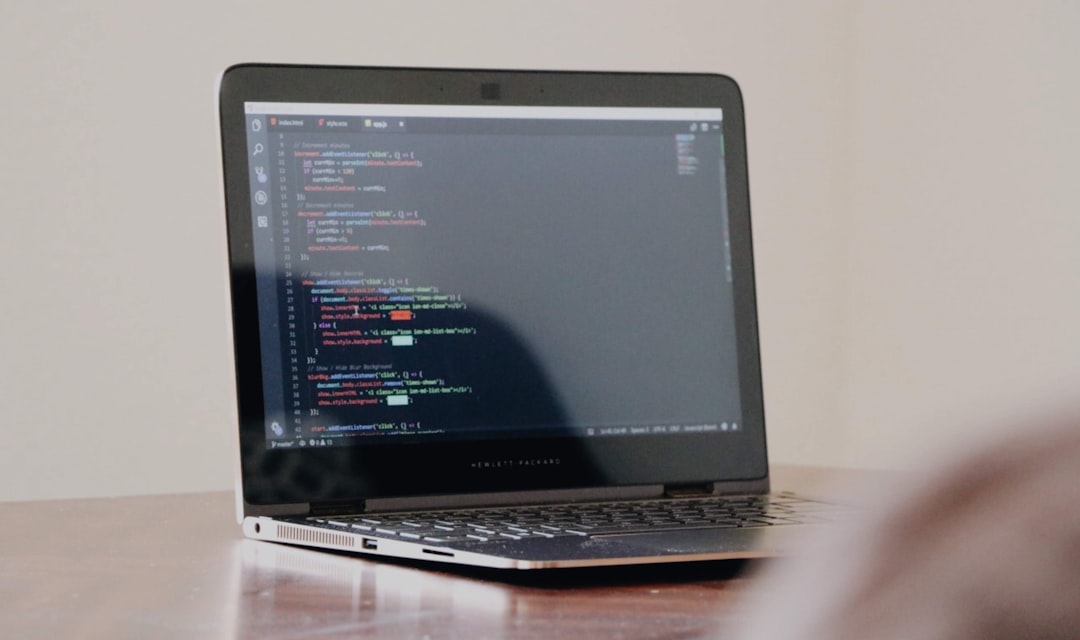
As integration into popular IDEs and code editors becomes seamless, AI assistance is increasingly part of the daily workflow for professional developers and hobbyists alike.
How AI Code Assistants Help You Write Code Faster
1. Intelligent Auto-Completion
Traditional auto-complete tools rely on predefined rules and simple keyword matching. AI assistants, by contrast, analyze context. They consider variable names, function signatures, comments, and even the broader structure of the project before offering suggestions.
For example, if a developer types a function name such as calculateTotalPrice, the AI can anticipate parameters like price and tax and generate an appropriate structure. This reduces repetitive typing and minimizes syntax errors.
2. Natural Language to Code
Many AI systems allow developers to write comments in plain language and automatically generate code based on those descriptions. For instance, a comment like “Create a function that validates email addresses” can produce a functional validator in seconds.
This feature is particularly helpful for:
- Rapid prototyping
- Learning new programming languages
- Generating boilerplate code
- Creating test cases
3. Multi-Language Support
Modern development often involves multiple languages within the same project. AI assistants can switch contexts between JavaScript, Python, Java, SQL, and many others. This reduces the time spent consulting documentation and switching between reference tabs.
Refactoring Code with AI Assistance
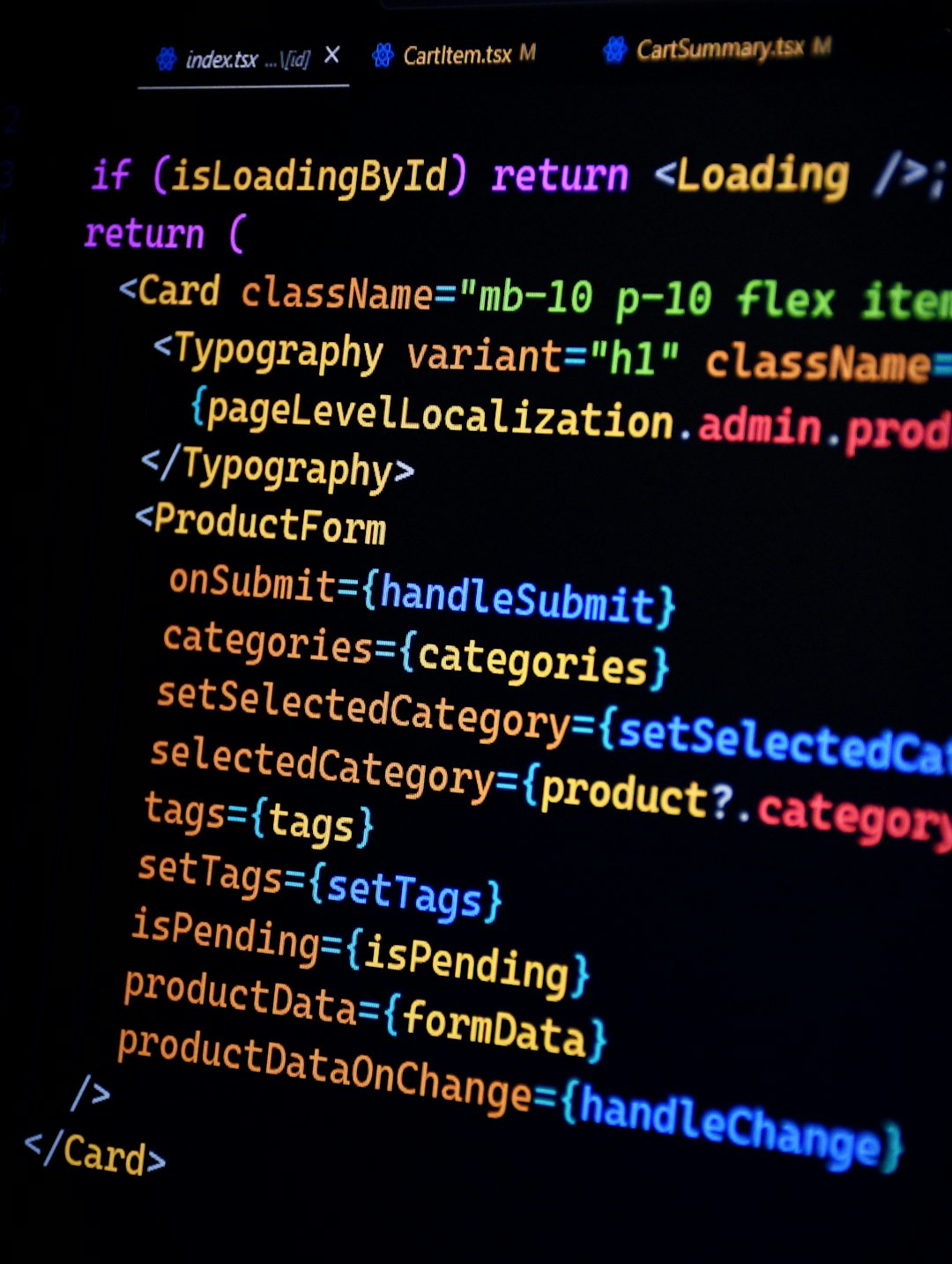
Refactoring is essential for maintaining code quality, but it can be time-consuming and error-prone. AI assistants dramatically accelerate this process by analyzing entire files or modules and suggesting structural improvements.
1. Identifying Redundant Patterns
AI tools can detect duplicate logic across files and recommend reusable functions or components. This reduces code bloat and improves maintainability.
2. Improving Readability
Clear code is easier to maintain and scale. AI assistants may:
- Rename unclear variables
- Break large functions into smaller units
- Add missing comments or documentation
- Suggest consistent formatting
3. Modernizing Legacy Code
Many organizations rely on legacy systems written in older frameworks or outdated syntax. AI code assistants can propose updates that align with current best practices, saving teams weeks of manual effort.
Enhancing Debugging and Code Review
Debugging is one of the most challenging aspects of development. AI assistants help by scanning code for common vulnerabilities, logical errors, and performance bottlenecks.
Real-Time Error Detection
Instead of waiting for compilation failures or runtime crashes, developers receive suggestions as soon as potential problems are detected. These may include:
- Null reference risks
- Incorrect API usage
- Security misconfigurations
- Inefficient database queries
Automated Code Reviews
AI tools can simulate initial code reviews by flagging stylistic inconsistencies and architectural concerns. While human oversight remains critical, automated assistance reduces back-and-forth between team members and shortens pull request cycles.
Boosting Developer Productivity
The primary benefit of AI code assistants is productivity enhancement. Developers can spend more time thinking strategically and less time handling repetitive tasks.

Reduced Cognitive Load
Constantly switching between writing code and checking syntax documentation can break concentration. AI assistance keeps developers in a state of flow by providing immediate answers within the coding environment.
Faster Onboarding
New team members often struggle to understand existing codebases. AI assistants can explain functions, summarize files, and suggest changes consistent with established patterns. This shortens onboarding time significantly.
Accelerated Prototyping
Startups and product teams benefit from quickly validating ideas. AI-generated scaffolding enables rapid iteration and experimentation without requiring large engineering resources.
Limitations and Considerations
Despite their advantages, AI code assistants are not flawless. Developers should remain aware of certain limitations.
- Code Accuracy: AI suggestions may contain subtle bugs.
- Security Risks: Automatically generated code might not meet strict compliance standards.
- Over-Reliance: Excessive dependence could weaken problem-solving skills over time.
- Context Gaps: AI may misunderstand highly specialized business logic.
For best results, teams should treat AI suggestions as drafts rather than final solutions. Human judgment remains essential for architecture decisions, security reviews, and quality assurance.
Best Practices for Using AI Code Assistants
To maximize effectiveness, developers can follow several practical guidelines:
- Review Every Suggestion Carefully
- Use AI for Boilerplate and Repetitive Tasks
- Combine AI with Manual Code Reviews
- Continuously Test Generated Code
- Stay Updated on Tool Capabilities
When integrated thoughtfully into existing workflows, AI becomes a productivity multiplier rather than a crutch.
The Future of AI-Assisted Coding
As models grow more advanced, AI code assistants are expected to become increasingly contextual and personalized. Future systems may:
- Understand entire repositories in depth
- Predict architectural improvements
- Automatically generate comprehensive test suites
- Recommend performance optimizations based on real usage data
Collaboration between humans and AI will likely define the next era of software engineering. Developers will focus more on design, system thinking, and creative problem-solving, while AI handles routine structure and optimization.
Conclusion
AI code assistants that help you write and refactor code faster are transforming the software development landscape. By offering intelligent suggestions, automating repetitive tasks, and enhancing debugging and refactoring processes, these tools significantly increase productivity. While they do not replace skilled engineers, they serve as powerful collaborators that streamline workflows and improve code quality.
Organizations that embrace AI assistance thoughtfully will gain a competitive advantage through reduced development time, improved scalability, and more efficient collaboration. As the technology continues to evolve, AI code assistants are poised to become a standard component of the modern development toolkit.
Frequently Asked Questions (FAQ)
-
1. Are AI code assistants suitable for beginner programmers?
Yes, beginners can benefit from AI tools because they provide guidance, suggest code structures, and explain functions. However, learners should avoid blindly copying suggestions and instead strive to understand the logic behind them. -
2. Do AI code assistants replace human developers?
No. These tools enhance productivity but cannot replace human creativity, system architecture skills, and critical thinking. Developers remain responsible for reviewing and validating all generated code. -
3. Can AI assistants help with refactoring large legacy projects?
Yes, many AI systems can analyze legacy code and suggest modernization improvements. However, large-scale refactoring still requires careful planning and human oversight. -
4. Are AI-generated code suggestions secure?
Not always. Developers must review suggestions for security vulnerabilities, compliance issues, and performance risks before deployment. -
5. Which programming languages are supported by AI code assistants?
Most modern AI tools support popular languages such as Python, JavaScript, Java, C#, and SQL, among others. Coverage continues to expand as models are trained on broader datasets.