
For many creators, educators, streamers, writers, podcasters, and open-source builders, audience support has become an important part of sustainable creative work. Coffee donation platforms make that support simple by allowing fans to send small contributions, often framed as “buying a coffee,” to show appreciation for valuable content, helpful advice, entertainment, or community leadership.
TLDR: Coffee donation platforms help creators accept tips and recurring support from their audience without building a complex payment system. They are especially useful for independent creators who want a friendly, low-pressure way to receive appreciation. The best results usually come from clear messaging, consistent value, transparent goals, and respectful calls to action.
What Are Coffee Donation Platforms?
Coffee donation platforms are online tools that allow an audience to give small payments to a creator, usually as a tip, thank-you gift, or lightweight membership contribution. The term comes from the idea that a supporter can “buy a coffee” for someone whose work they enjoy. Instead of asking for a large payment or formal subscription, the creator offers a friendly way for followers to contribute a few dollars at a time.
These platforms are commonly used by bloggers, YouTubers, newsletter writers, artists, musicians, nonprofit educators, developers, podcasters, and community organizers. A creator usually receives a public profile page, a donation button, payment processing, and sometimes extra features such as memberships, digital downloads, supporter messages, and goal tracking.
The appeal is simple: the relationship feels personal. A supporter is not just buying a product; that person is expressing appreciation. In many cases, the emotional value of the donation is as meaningful as the financial amount.

Why Audience Tips Matter
Online content often takes more time, skill, and expense than casual viewers realize. A useful article may require research, editing, hosting costs, and promotion. A podcast may involve recording equipment, audio tools, and hours of preparation. A tutorial channel may require software, lighting, scripts, testing, and post-production.
Tips help bridge the gap between free access and financial sustainability. When a creator provides free or low-cost work, donations allow the audience to participate in keeping that work available. Even small contributions can help cover recurring expenses such as website hosting, email tools, design assets, video software, workspace subscriptions, or equipment upgrades.
More importantly, tips can provide encouragement. A single supporter message may remind a creator that the work is reaching real people. This kind of motivation can be especially valuable for independent creators who do not have a large team, advertiser backing, or institutional funding.
How Coffee Donation Platforms Work
Most coffee donation platforms follow a simple process. A creator creates a profile, connects a payment method, writes a short introduction, and shares a link or button with the audience. Supporters visit the page, choose an amount, write an optional message, and complete the payment.
Many platforms offer several types of support:
- One-time tips: A supporter sends a single payment as a thank-you.
- Recurring memberships: Supporters contribute monthly in exchange for access, recognition, or continued support.
- Supporter goals: A creator sets a public target, such as funding new equipment or covering podcast hosting.
- Digital extras: Some platforms allow creators to offer downloads, bonus posts, templates, guides, or behind-the-scenes updates.
- Community benefits: Supporters may receive private updates, special badges, exclusive posts, or early access.
The platform usually takes a fee or relies on payment processor charges. Creators should always understand transaction costs, payout schedules, supported currencies, and tax responsibilities before choosing a service.
Benefits for Creators
Coffee donation platforms are popular because they are easy to launch and require little technical knowledge. A creator does not need to build a full e-commerce store or manage complicated billing infrastructure. A shareable link can be added to a website, social profile, video description, newsletter footer, or podcast show notes.
Another benefit is flexibility. A creator can use donations as a small side income, a way to test audience interest, or a stepping stone toward memberships, courses, merchandise, or larger sponsorships. The platform can grow alongside the creator’s audience.
There is also a psychological advantage. Asking someone to “support the work” or “buy a coffee” often feels softer than asking for a purchase. The request is optional and friendly. It lets fans contribute without pressure, while still giving creators a clear path to receive value in return.
Benefits for Supporters
Supporters also benefit from these platforms. They gain a simple way to say thank you and participate in a creator’s journey. A small contribution can feel direct and meaningful because it reaches the person producing the work, rather than disappearing into a large advertising system.
For loyal fans, donations create a sense of belonging. Some supporters enjoy seeing their names listed publicly, leaving encouraging notes, or helping a creator reach a specific goal. Others prefer quiet, private support. Good coffee donation platforms usually allow both styles.
The best supporter experience is quick, clear, and human. If the payment process is confusing, too long, or filled with unnecessary friction, potential supporters may abandon it. A clean donation page with a strong message and simple payment options can make a significant difference.
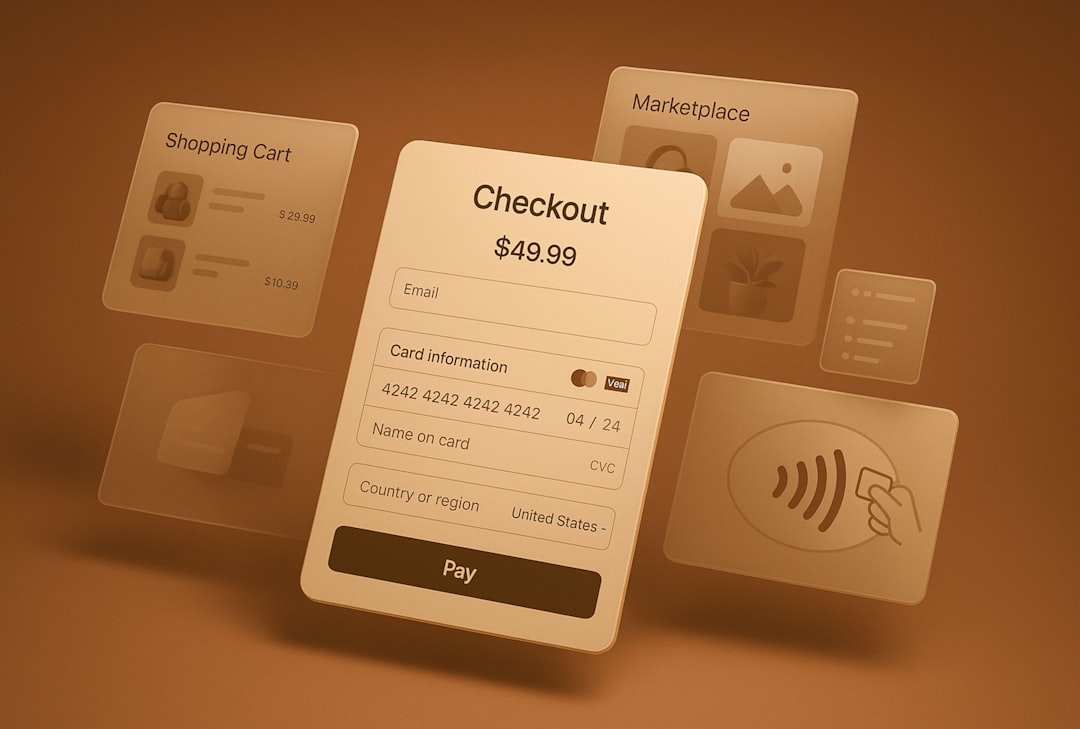
Creating a Strong Donation Page
A successful donation page usually explains who the creator is, what the audience receives from the work, and how contributions help. It should not sound desperate or vague. Instead, it should communicate purpose, gratitude, and clarity.
An effective page often includes:
- A warm introduction: A short explanation of the creator’s work and mission.
- A clear reason to support: Examples such as funding tutorials, improving production quality, or keeping resources free.
- Suggested contribution levels: Small, medium, and larger options make decisions easier.
- Optional benefits: Extras such as supporter-only posts, shout-outs, or early access can encourage participation.
- A sincere thank-you: Gratitude should be visible before and after the donation.
The language should match the creator’s brand voice. A comedy podcaster may use playful wording, while a research writer may use a professional tone. In both cases, authenticity matters more than hype.
Where to Place Donation Links
Coffee donation links work best when they are visible but not intrusive. A creator should make support easy to find without making the audience feel pressured. The best placements often depend on the type of content being shared.
- Websites and blogs: A donation button can appear in the sidebar, at the end of articles, or on an “About” page.
- Videos: Links can be placed in descriptions, pinned comments, end screens, or channel pages.
- Podcasts: Hosts can mention the link briefly during episodes and include it in show notes.
- Newsletters: A support link in the footer or after a valuable issue can perform well.
- Social media: A profile bio link, occasional post, or story highlight can guide fans to the donation page.
- Open-source projects: Links can be included in documentation, repository files, and release notes.
The key is consistency. A creator does not need to ask constantly, but the support option should be easy to discover when someone feels motivated to contribute.
How to Ask Without Feeling Awkward
Many creators hesitate to ask for tips because they do not want to appear pushy. However, audiences often understand that quality work requires resources. A respectful call to action can be both honest and comfortable.
A good request might focus on the value already provided: “If this guide helped, supporters can contribute a small coffee donation to help keep future resources free.” This wording is clear, optional, and tied to a benefit. It does not guilt the audience or exaggerate the need.
Creators should avoid overusing urgent language, hiding important content behind manipulative prompts, or making non-supporters feel inferior. A healthy donation culture welcomes support without creating pressure.
Using Rewards and Memberships
While coffee donations often begin as simple tips, many platforms allow creators to build recurring support through memberships. This can create more predictable income, especially when benefits are manageable and meaningful.
Common membership rewards include:
- Behind-the-scenes updates
- Early access to videos, posts, or podcast episodes
- Monthly Q&A sessions
- Downloadable resources or templates
- Supporter-only community spaces
- Public recognition or thank-you notes
Creators should be careful not to promise too much. A reward system that creates constant extra work can lead to burnout. The strongest rewards often complement work the creator is already doing. For example, a writer can share draft notes, a designer can share process screenshots, and a developer can share project updates.
Image not found in postmeta
Transparency and Trust
Trust plays a major role in audience support. Supporters are more likely to contribute when they understand how funds are used and believe the creator is sincere. Transparency does not require sharing every financial detail, but it does help to explain general goals.
For example, a creator might state that donations help cover hosting costs, editing software, accessibility improvements, research materials, or time spent producing free resources. When a specific goal is reached, the creator can share an update and thank supporters publicly or privately.
Transparency also includes setting realistic expectations. If a donation is simply a tip, the page should not imply that supporters are purchasing guaranteed services. If a membership includes benefits, those benefits should be clear and deliverable.
Choosing the Right Platform
Different coffee donation platforms serve different needs. Some emphasize one-time tips, while others focus on subscriptions, content posting, digital sales, or community engagement. Before choosing a platform, a creator should compare fees, payment options, branding control, payout methods, supporter experience, and available integrations.
Important questions include:
- Does the platform support the creator’s country and preferred payout method?
- Are fees clear and reasonable?
- Can supporters pay with common methods such as cards, wallets, or local options?
- Does the platform allow one-time and recurring support?
- Can the creator customize the page and message?
- Does it offer analytics, supporter management, or email notifications?
- Are tax documents, invoices, or export tools available if needed?
The right choice depends on the creator’s goals. A hobbyist may prefer simplicity, while a professional creator may need advanced membership tools and reporting.
Common Mistakes to Avoid
Some creators set up a donation page and then forget to explain why it exists. A blank or generic page rarely converts well. Others ask too often, which can make the audience feel fatigued. Balance is important.
Another mistake is treating donations as guaranteed income. Tips can fluctuate based on audience size, posting frequency, economic conditions, and the emotional connection between creator and supporters. Donations are best viewed as one part of a broader sustainability plan.
Creators should also avoid ignoring supporters. Even a short thank-you message can strengthen loyalty. Acknowledgment helps supporters feel seen and encourages long-term goodwill.
Building a Sustainable Support Culture
A coffee donation platform works best when it is part of a larger relationship between creator and audience. The creator consistently provides value, communicates honestly, and makes support easy. The audience responds when the work feels useful, enjoyable, inspiring, or important.
Over time, these small acts of support can become a meaningful income stream or simply a reliable source of encouragement. For independent creators, that encouragement can be the difference between stopping and continuing. The coffee metaphor may be simple, but the impact can be significant.
FAQ
What is a coffee donation platform?
A coffee donation platform is an online service that lets creators accept small tips, one-time contributions, or recurring support from their audience. The donation is often framed as buying the creator a coffee.
Who can use coffee donation platforms?
Writers, artists, podcasters, streamers, educators, developers, musicians, nonprofits, and community builders can use them. Any person or project with an engaged audience may benefit.
Are coffee donations the same as memberships?
Not always. A coffee donation is usually a one-time tip, while a membership is a recurring contribution that may include benefits. Many platforms support both options.
Do creators need a large audience to receive tips?
No. A small but loyal audience can be more supportive than a large passive one. Trust, usefulness, and connection often matter more than follower count.
How often should a creator ask for support?
A creator should ask regularly enough that the option is visible, but not so often that it becomes distracting. Brief, respectful reminders after valuable content usually work well.
What should a donation page include?
It should include a short introduction, a clear explanation of how support helps, suggested contribution amounts, optional benefits, and a sincere thank-you message.
Are there fees for coffee donation platforms?
Most platforms charge service fees, payment processing fees, or both. Creators should review pricing, payout rules, and tax considerations before choosing a platform.
Can coffee donations become a full-time income?
For some creators, they can become part of a full-time income strategy. However, donations are often unpredictable, so many creators combine them with memberships, products, sponsorships, services, or advertising.