
A whistle is small, simple, and instantly understood, which makes it a surprisingly powerful symbol in branding. Whether it represents coaching, attention, safety, play, authority, or sound, a whistle logo can communicate a message in a fraction of a second. The key is to transform a familiar object into a distinctive visual identity that feels memorable, relevant, and scalable.
TLDR: A whistle logo works well for brands connected to sports, coaching, safety, education, events, pet training, and communication. The best concepts combine the whistle shape with meaningful elements such as sound waves, motion lines, initials, mascots, or badges. A strong design should be simple, recognizable at small sizes, and flexible enough for digital and print use. Creative examples often use clever negative space, bold color, and typography to make the whistle feel unique rather than generic.
Why a Whistle Makes a Strong Brand Symbol
The whistle has a rare branding advantage: it is both visual and auditory. Even when shown as a silent icon, people can almost hear it. That mental association gives the mark energy, urgency, and clarity. A whistle can suggest “pay attention,” “start now,” “stop,” “follow the rules,” or “listen up,” depending on the design style and brand context.
Because whistles are used in many environments, they can support a wide range of identities. A sports academy may use one to convey leadership and performance. A safety organization might use it to represent alerts and emergency response. A dog training company can make it feel friendly and practical. A productivity app could use a stylized whistle to symbolize reminders, focus, or action.
The challenge is that whistles are visually simple. Without thoughtful execution, a logo can look like a basic clip art icon. Strong whistle branding depends on concept, composition, and personality.
Image not found in postmetaCore Meanings Behind Whistle Logos
Before designing or choosing a whistle logo, it helps to define what the whistle should represent. The same object can carry different meanings based on audience, style, and industry.
- Authority: Referees, coaches, supervisors, and trainers use whistles to lead, direct, and control action.
- Attention: A whistle cuts through noise, making it a strong metaphor for announcements, alerts, and communication.
- Safety: Lifeguards, hikers, rescue teams, and emergency workers use whistles as warning or survival tools.
- Play and sport: Whistles are strongly associated with games, practice sessions, competitions, and school activities.
- Training: Pet trainers, fitness coaches, and instructors can use the whistle as a symbol of discipline and improvement.
- Momentum: The short, sharp sound of a whistle can imply a beginning, a signal, or a call to action.
A good logo concept chooses one or two of these meanings and emphasizes them visually. Trying to express everything at once can make the mark confusing.
Popular Creative Concepts for Whistle Branding
1. The Whistle with Sound Waves
One of the most direct approaches is to pair the whistle with curved sound waves. This makes the logo more dynamic and reinforces the idea of communication. The waves can be minimal, like two clean arcs, or more expressive, like energetic lines radiating outward.
This concept works especially well for coaching apps, event alerts, safety products, school programs, and communication platforms. To avoid making the design too busy, the sound waves should be balanced with the whistle shape. If the whistle is detailed, keep the waves simple. If the whistle is very minimal, the waves can carry more personality.
2. The Referee Badge
A whistle inside a badge or shield creates a sense of authority and trust. This style is common for sports leagues, referee associations, academies, and official training programs. The badge shape gives the logo structure, while the whistle adds a recognizable focal point.
For a modern look, the badge can be geometric and flat. For a more traditional look, it can include borders, ribbons, stars, or vintage typography. This concept often looks strong on uniforms, patches, certificates, and social media profile images.
3. The Whistle as a Letterform
Some of the most memorable logo ideas come from turning the whistle into a letter. For example, a whistle shape might form the letter O, P, G, or Q. A mouthpiece can become part of a letter stroke, while the circular chamber can replace a rounded character.
This approach is effective because it makes the logo feel custom. Instead of placing an icon next to a wordmark, the designer integrates the concept into the brand name itself. It is a clever option for companies with names related to coaching, calling, play, alerts, or performance.
4. The Friendly Mascot Whistle
For youth sports, children’s programs, school events, or pet services, a whistle can be turned into a character. Adding eyes, a smile, small arms, or a playful pose can make the mark cheerful and approachable. This style works best when the brand wants to feel fun rather than strict.
A mascot whistle should still remain simple enough to recognize at small sizes. Too many facial details can disappear when the logo is used on a mobile screen or embroidered on apparel. A clean expression and bold silhouette are usually more effective than complex illustration.

5. The Minimal Line Icon
A minimal whistle logo can feel sleek, modern, and highly versatile. Using a single continuous line or a few geometric strokes, the design can suggest the object without fully illustrating it. This is a strong fit for digital brands, training software, mobile apps, productivity tools, and modern fitness businesses.
The beauty of minimalism is flexibility. A simple whistle mark can work as an app icon, website favicon, social media avatar, watermark, or print stamp. However, minimal does not mean generic. The curve of the mouthpiece, the angle of the body, or the placement of a small cutout can give the design a distinctive signature.
Industry Examples and Logo Directions
Sports Coaching Brand
Imagine a brand called Peak Play Coaching. A strong logo concept could show a whistle combined with a mountain peak or upward arrow. The whistle represents coaching and direction, while the peak suggests improvement and achievement. A bold sans serif font and colors like navy, orange, or electric blue would create an energetic sports identity.
Pet Training Business
For a dog training service, the whistle could be paired with a paw print, dog ear, or leash shape. The tone should feel friendly and trustworthy rather than harsh. Rounded typography, warm colors, and soft curves can help communicate patience and positive reinforcement. A clever concept might use negative space to hide a paw inside the whistle chamber.
Safety and Emergency Brand
A survival gear company or emergency preparedness program could use a whistle with alert rays, a cross symbol, or a shield. Colors like red, yellow, black, and white can communicate urgency and visibility. In this context, the logo should prioritize clarity. People should immediately understand that the brand is related to safety, warnings, or rescue.
Event Management or Crowd Control
Whistles are also associated with coordination. An event staffing company could use a modern whistle icon with motion lines to suggest organization and quick response. Paired with clean typography, the mark could feel professional and efficient. A more premium event brand might use a subtle metallic color palette and a refined monogram whistle concept.
Education and Classroom Management
In schools and educational programs, whistles often represent physical education, recess, teamwork, or leadership. A logo for a school sports day, camp, or after-school program might combine a whistle with a book, star, flag, or group of abstract figures. Bright, optimistic colors can help the logo feel youthful and inclusive.
Design Elements That Make a Whistle Logo Work
A whistle logo may look simple, but several design decisions determine whether it feels professional or forgettable.
- Silhouette: The outline should be recognizable even without details. Test the mark in solid black to see if it still reads as a whistle.
- Angle: A horizontal whistle can feel stable and official, while a diagonal whistle can feel active and energetic.
- Negative space: Cutouts can create clever secondary meanings, such as a letter, paw, lightning bolt, or sound symbol.
- Line weight: Thin lines feel elegant and modern, while thick lines feel bold, sporty, and durable.
- Typography: A condensed font can feel athletic; rounded letters feel friendly; serif type can feel established or traditional.
- Color: Bright colors add energy, dark colors add authority, and monochrome palettes increase versatility.
One of the most important tests is scalability. A whistle logo might look impressive on a large presentation slide, but it also needs to work on a small website header, a cap, a sticker, or a mobile app icon. The fewer unnecessary details, the stronger the logo will usually be.
Color Ideas for Whistle Logos
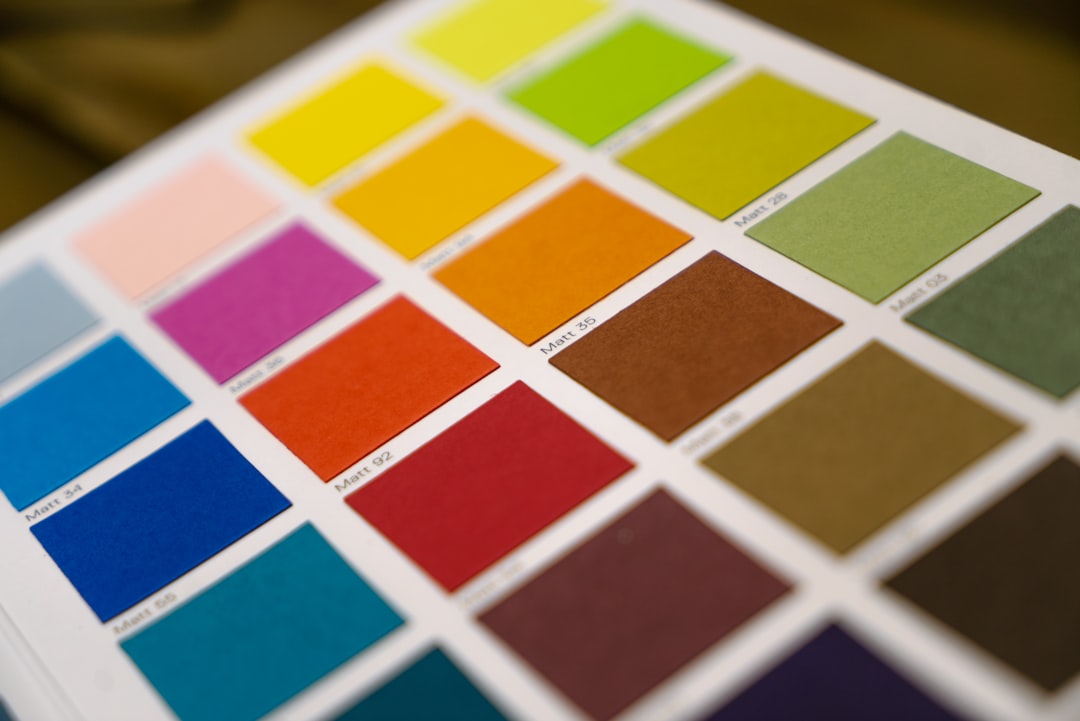
Color changes the emotional tone of a whistle logo. A black and white whistle may feel official, like a referee’s tool. Red and yellow can feel urgent and safety focused. Blue suggests trust and professionalism, making it useful for schools, apps, or coaching services. Green can connect the logo to outdoor activities, youth programs, or pet training.
For sports identities, high-contrast combinations often work best: navy and orange, black and lime, royal blue and white, or red and charcoal. For friendly brands, consider softer combinations such as teal and cream, coral and navy, or sky blue and warm gray. The color system should include a version that works on both light and dark backgrounds.
Common Mistakes to Avoid
Because a whistle is a familiar object, it is easy to fall into predictable design choices. A few common mistakes can weaken the final brand identity.
- Using too much detail: Screws, shadows, reflections, and tiny holes may look realistic, but they often reduce clarity.
- Relying on stock-like shapes: A generic whistle icon will not help the brand stand out. Add a custom twist.
- Ignoring the brand tone: A harsh referee-style whistle may not suit a gentle pet training company or children’s program.
- Choosing weak typography: Even a great icon can look amateur if paired with an unsuitable font.
- Forgetting real-world use: The logo should work on uniforms, signage, websites, merchandise, and social media.
How to Make the Concept More Original
To create a more distinctive logo, start by asking what the whistle does for the brand. Does it signal a start, call a team together, warn of danger, or guide behavior? Once the meaning is clear, combine the whistle with a second idea that supports the message.
For example, a fitness challenge brand could merge a whistle with a stopwatch. A hiking safety brand could integrate a whistle with a compass. A referee training school could use a whistle inside a rulebook shape. A sports podcast might combine a whistle with a microphone or sound wave. These combinations make the symbol more specific and more ownable.
Another technique is to simplify the whistle into an abstract mark. Instead of drawing the entire object, focus on its most recognizable parts: the mouthpiece, the circular chamber, and the sound opening. With the right proportions, a few shapes can still communicate “whistle” while feeling fresh and modern.
Final Thoughts
A whistle logo is more than a picture of a small signaling tool. It can represent leadership, attention, energy, safety, teamwork, or transformation. The strongest concepts are not merely decorative; they connect the whistle’s meaning to the brand’s purpose.
Whether the style is sporty, playful, minimal, official, or adventurous, the goal is the same: create a mark that people recognize quickly and remember easily. With smart use of shape, color, typography, and symbolism, a whistle can become a brand identity that truly stands out and, in its own visual way, makes itself heard.