
Workforce scheduling is no longer a manual exercise confined to spreadsheets and paper calendars. In today’s fast-moving business environment, organizations must balance operational demands, labor costs, compliance requirements, and employee satisfaction simultaneously. Workforce scheduling tools provide a structured, data-driven way to manage employee shifts while reducing administrative burden and costly errors. Implemented correctly, these systems become a strategic asset rather than a simple planning utility.
TLDR: Workforce scheduling tools help organizations automate shift planning, reduce labor costs, and ensure compliance with labor laws. They improve operational efficiency by aligning staffing levels with demand forecasts while giving employees greater transparency and flexibility. Modern solutions integrate analytics, time tracking, and communication features into a single platform. Choosing the right tool can significantly enhance productivity and workforce satisfaction.
The Growing Complexity of Workforce Scheduling
As businesses expand and diversify, scheduling challenges increase. Companies operating across multiple locations, offering extended service hours, or managing part-time and contract workers must coordinate dozens—or even hundreds—of employees. Manual systems often result in:
- Overstaffing or understaffing during peak and slow periods
- Increased overtime expenses
- Scheduling conflicts and last-minute changes
- Compliance violations with labor regulations
- Low employee morale due to perceived unfair scheduling
Workforce scheduling tools address these risks through automation and data analysis. Instead of relying on guesswork, managers can build schedules based on measurable demand patterns, employee availability, and skill requirements.

Core Features That Optimize Employee Shifts
Modern workforce scheduling platforms offer a range of capabilities designed to improve accuracy and efficiency. While features vary by provider, several components are particularly essential.
1. Automated Scheduling
Automated scheduling engines use predefined rules—such as availability, seniority, certifications, and maximum working hours—to generate optimized shift assignments. This reduces human error and minimizes scheduling bias. Managers can create balanced schedules in minutes rather than hours.
2. Demand Forecasting Integration
Advanced tools integrate historical data, sales figures, and seasonal trends to predict staffing needs. For example, retail and hospitality businesses can forecast peak customer traffic and align staffing accordingly. This ensures adequate coverage without unnecessary payroll expenses.
3. Real-Time Adjustments
Unplanned absences and demand surges are unavoidable. Workforce scheduling systems allow immediate updates and notifications to employees. Shift swaps, open shift postings, and manager approvals are streamlined through mobile applications.
4. Compliance Management
Labor regulations vary by jurisdiction and may include overtime thresholds, rest period requirements, and predictive scheduling mandates. Effective software automatically flags potential violations, reducing legal risk and administrative oversight.
5. Employee Self-Service Portals
Employees can view schedules, request time off, update availability, and swap shifts through self-service dashboards. This transparency enhances engagement and reduces administrative workload.
Strategic Benefits for Organizations
Implementing workforce scheduling tools delivers measurable advantages across several operational dimensions.
Cost Control and Budget Optimization
Labor often represents a company’s largest controllable expense. Scheduling tools help maintain alignment between staffing levels and business demand. By reducing overtime, preventing overstaffing, and improving allocation efficiency, organizations can maintain stronger financial control.
Operational Efficiency
When shifts are designed around accurate forecasts and real-time data, productivity improves. Employees spend less time waiting for tasks, and customer service levels remain consistent. Managers also regain valuable time previously spent on manual adjustments.
Employee Satisfaction and Retention
Fair and predictable scheduling builds trust within teams. Tools that allow input into availability and preferences help foster a sense of autonomy. Reduced scheduling conflicts translate to fewer grievances and higher retention rates, particularly in industries with historically high turnover.

Industry Applications
While workforce scheduling tools are broadly applicable, certain sectors derive especially high value from implementation.
Healthcare
Hospitals and clinics must align staffing with fluctuating patient volume while ensuring compliance with complex labor standards. Scheduling tools help match specialized skills to departmental needs and prevent fatigue-related errors.
Retail
Retailers often experience variable customer demand influenced by promotions, holidays, and regional trends. Intelligent forecasting tools allow managers to schedule appropriate staffing levels for both peak shopping days and quieter periods.
Manufacturing
Production lines depend on precise staffing coordination. Workforce systems assist in planning shifts that meet output targets while respecting safety and certification requirements.
Hospitality and Food Service
Restaurants and hotels operate on dynamic schedules affected by reservations, events, and seasonal activity. Automated tools ensure adequate coverage during busy shifts without inflating labor costs during slow periods.
Key Criteria for Selecting the Right Tool
Not all workforce scheduling solutions are equal. Organizations should evaluate tools against defined operational priorities.
- Scalability: Can the system handle growth in employees and locations?
- Integration: Does it integrate with payroll, HR, and time-tracking systems?
- User Experience: Is the interface intuitive for both managers and employees?
- Analytics Capabilities: Are detailed reports and workforce insights available?
- Mobile Accessibility: Can users access schedules from smartphones and tablets?
- Security and Compliance: Does the system meet relevant data protection standards?
A structured evaluation process—often including pilot testing—helps ensure the selected solution aligns with strategic objectives.
The Role of Data Analytics in Shift Optimization
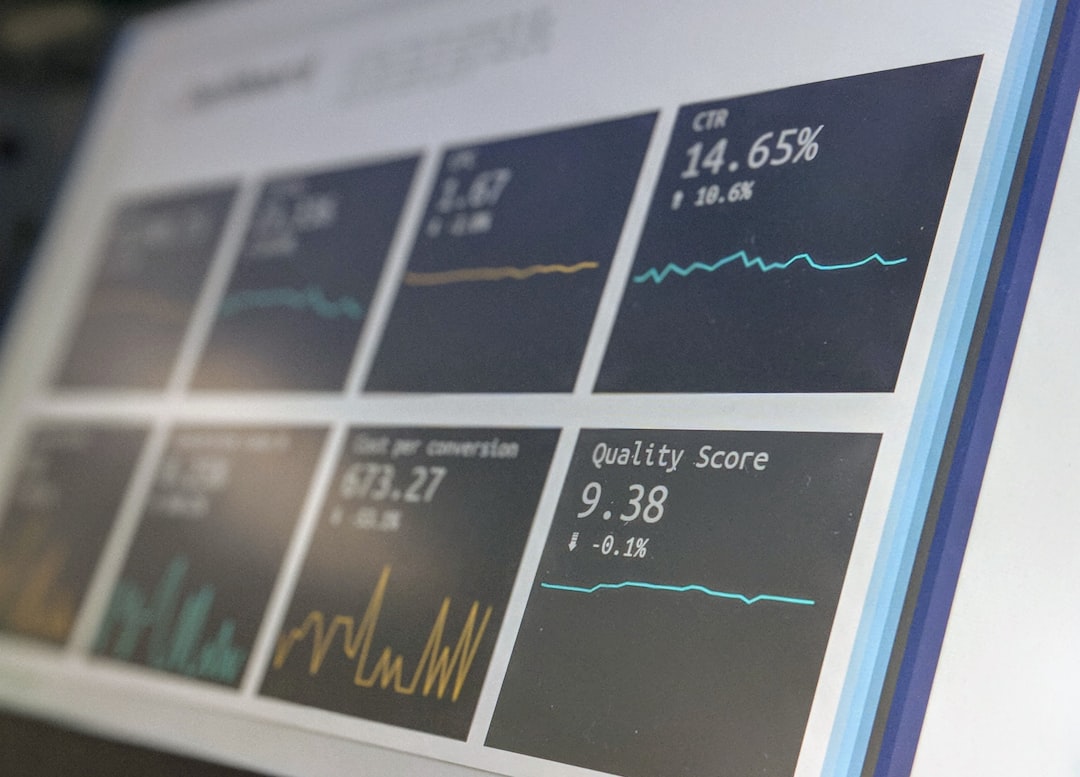
Beyond basic scheduling, modern platforms provide actionable insights through data analytics. Managers can analyze patterns such as:
- Overtime frequency by department
- Absenteeism rates
- Labor cost as a percentage of revenue
- Peak productivity windows
- Employee shift preferences and satisfaction trends
These insights guide informed decision-making. For example, if absenteeism consistently rises during certain shifts, staffing buffers can be built in. If overtime costs are climbing, schedules can be adjusted to distribute hours more effectively.
Implementation Best Practices
Adopting a workforce scheduling tool requires careful planning. Poorly managed implementation can undermine even the most advanced solution.
1. Stakeholder Alignment
Engage managers, HR professionals, and front-line supervisors early in the selection process. Their insights help tailor the tool to operational realities.
2. Clear Policy Definition
Automation depends on defined rules. Organizations must establish guidelines on overtime limits, shift rotations, seniority considerations, and approval processes before deployment.
3. Training and Communication
Comprehensive onboarding ensures employees understand both the technical platform and revised scheduling policies. Clear communication reduces resistance and accelerates adoption.
4. Continuous Evaluation
Scheduling needs evolve. Regularly reviewing system performance, employee feedback, and financial outcomes ensures that the tool continues to deliver measurable value.
Balancing Automation with Human Judgment
While automation enhances efficiency, it should not eliminate human oversight. Supervisors bring contextual awareness—such as team dynamics, individual performance nuances, and temporary constraints—that algorithms may not fully capture. The most successful organizations use technology as a decision-support system rather than a replacement for leadership discretion.
Effective workforce scheduling achieves a balance between objective data and humane management practices. Transparency, fairness, and flexibility remain central to long-term success.
Future Trends in Workforce Scheduling
The evolution of workforce scheduling tools reflects broader digital transformation trends. Emerging developments include:
- Artificial intelligence-driven optimization that continuously refines schedules based on performance data.
- Predictive analytics that anticipate absenteeism or turnover risk.
- Enhanced mobile collaboration tools facilitating instant communication.
- Integration with workforce wellness metrics to prevent burnout and promote work-life balance.
Organizations that proactively adopt advanced scheduling technologies are better positioned to respond to economic volatility and workforce expectations.
Conclusion
Workforce scheduling tools have evolved into comprehensive management systems capable of optimizing employee shifts with precision and reliability. By automating routine planning tasks, incorporating demand forecasting, and enforcing compliance safeguards, these solutions reduce operational risk and improve financial oversight. Equally important, they empower employees with clarity and flexibility, reinforcing workplace trust.
In a competitive labor market, efficient scheduling is not merely an administrative function—it is a strategic differentiator. Businesses that invest in robust workforce scheduling tools gain the capacity to align people, performance, and productivity in a sustainable and measurable way.